Business IT support services in Canada, answered by engineers
Trusted by







IT support services, three pillars, one operator.
One Canadian team covers your users, your kit, and the hard escalations.
Service desk and remote IT support
Phone, email, or chat, staffed by technicians who close the ticket instead of routing it.
Onsite IT support and hardware
Boots on the ground across Ontario and Quebec when the problem can't be fixed down a wire.
Escalation to senior engineering
The tickets nobody else solves land with Canadian CCIE and CCDE engineers, not a queue.
Does IT Support Services work the same way in every industry?
No. The IT Support Services work is the same craft in every sector, but the conditions around it are not. In manufacturing that means production lines that can't stop for a patch window; in energy and mining, SCADA networks and remote sites that can't go offline. We keep the service and change the part that bends.
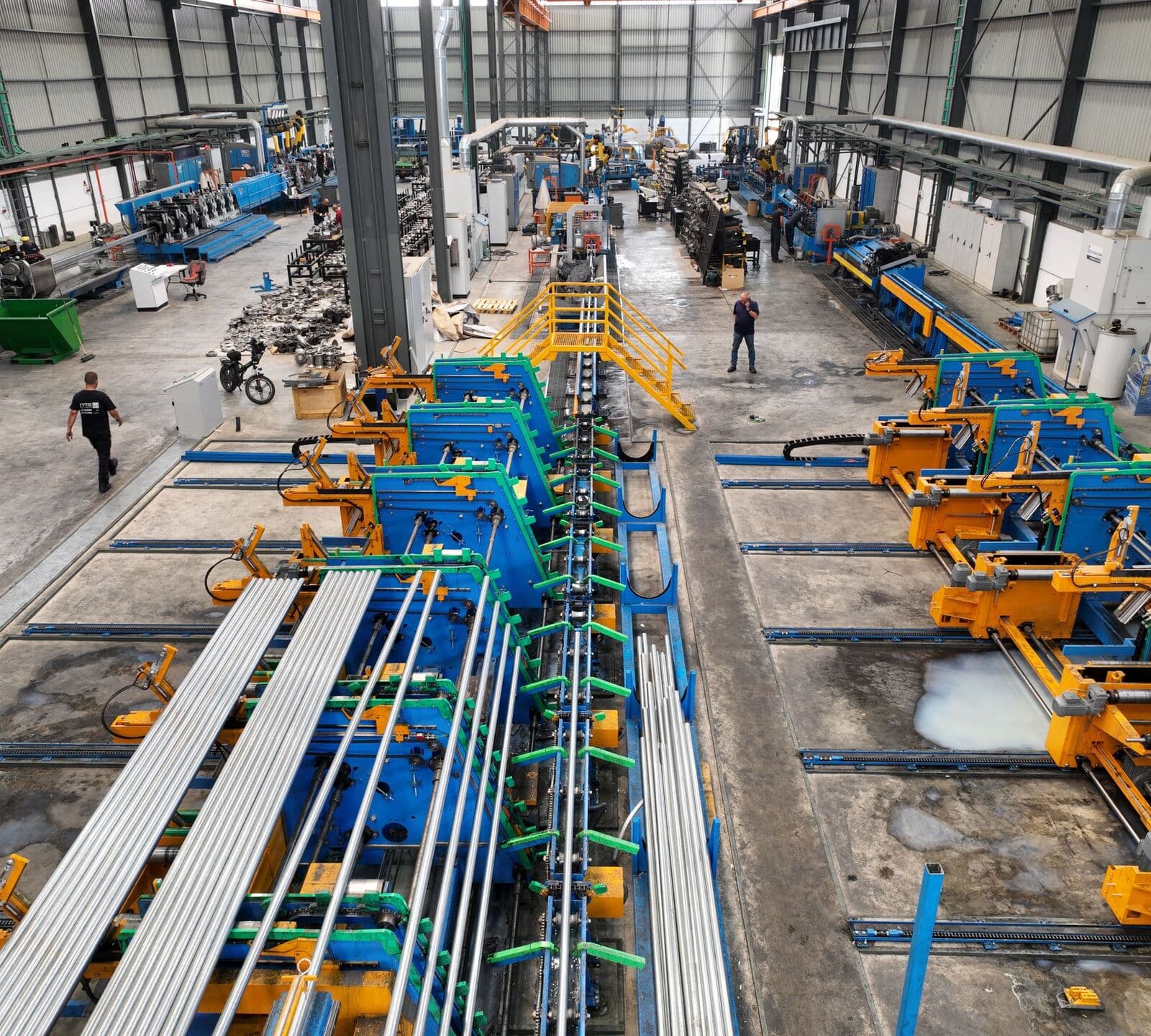
Shifts don't stop at five and neither does the line.
OT and IT convergence. A flat network between plant and office is the common failure, and segmentation is the fix. It's a design problem, not a purchase.

Sites run around the clock in places nobody visits at night.
SCADA and ICS. Availability outranks confidentiality here, and you often can't take a system offline to investigate what happened on it.
What do you need from IT Support Services?
Tell us who you are and what you're working on. A senior engineer reads your message before replying, so the first answer is a real read on scope, risk and timing, within an hour, 24/7. Nothing here is a commitment, and we'll tell you plainly if we're not the right fit.
Your request
- Service
- IT Support Services
What happens next
- A senior engineer replies within an hour, 24/7, never an SDR.
- We book a 30-minute call to listen, sketch options, and flag risks.
- You get a scoped statement of work within 3 business days.
Call the 24/7 line
+1 514-465-1584IT support in Canada, made real.
I run this desk, so this is written by the engineer whose team answers when your Canadian office calls.
Who picks up decides the rest.
Good starts with who picks up. Most IT support providers staff tier one with scripts and measure success by tickets closed, which rewards speed over cause. We staff differently. The technician taking your call can read a packet capture, and when they can't solve it, escalation means a CCIE looks at it that day. A business IT support desk earns its keep by making next month quieter than this one.
Every ticket gets tagged to a cause.
Here's how we work. Every ticket gets tagged to a root cause, and we review the top five every month with you. Most of your pain isn't the outage, it's the same printer, VPN, or licence problem eating an hour a week from forty people. As a Canadian IT support company, we'd rather spend a day removing that cause than bill you for the tickets it generates.
What an in-house desk actually costs.
The maths usually decides it. A single help desk technician in Canada averages about $48.5K a year in salary alone, before benefits, tooling, or cover for vacation and sick days (source: PayScale, 2026). One person also can't cover evenings, weekends, or the week they're away. Small business IT support works precisely because a shared senior team costs less than one junior hire and never goes on holiday.


Want a Senior IT Consultant's Read on Your Setup?
Tell us what you run today and what keeps breaking. A senior SMEnode engineer replies within an hour with a first read on scope, risk and timing. No sales handoff.
Request a consultHow our IT support service runs, day to day.
We sequence the work so problems shrink instead of repeating. Onboarding is discovery, not paperwork. We document every site, user, and system before we take a single call, because support without documentation is guesswork billed by the hour. From there we answer, fix, and feed every root cause back into the estate. Every SMEnode engagement runs this way, across Canada.
Engagement phases
Phases 01 to 04
Onboard and document
We map your users, sites, apps, and kit, then write the runbooks. Your team gets one number and one portal. Nothing goes live until we can answer a call about your estate without asking you what you run.
Answer and resolve
A technician picks up, triages against your SLA, and fixes it. Remote IT support handles most of it, and onsite support rolls when the hardware needs hands. You see the ticket status without asking.
Escalate properly
Anything tier one can't solve goes to a senior engineer the same day. No handoff loops, no repeating your problem to a third person.
Review and reduce
Every month we bring you the top recurring causes, what we fixed, and what we recommend killing next. This is the part that shrinks your ticket count. Uptime, response times, and spend land in the same report.
IT support questions, answered straight.
These are the questions IT managers and owners actually ask us. Answers are from the engineer who runs the desk.
Where this work connects.
These disciplines share the same senior team and tend to land together. Follow the thread to the next one.
- EndpointEndpoint ManagementEndpoint management in Canada that covers every laptop, phone, and server your Canadian team touches.
- ManagedCo-Managed ITCo-managed IT services in Canada that add senior engineers to your internal IT team, not replace it.
- SupportManaged Service DeskManaged help desk and service desk in Canada: tier 1 to tier 3 support, ITIL process, identity checks before resets and a monthly report on causes.