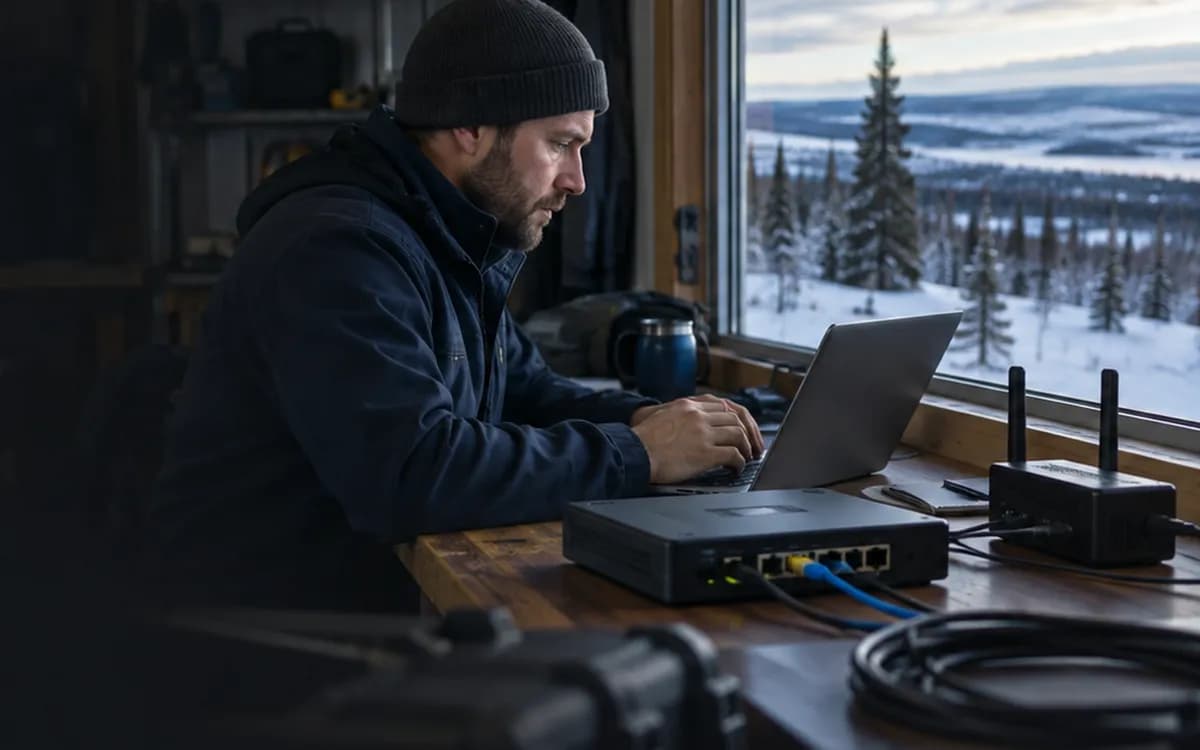
Enterprise networking in Canada, built by CCIE architects
Trusted by







Enterprise networking, three pillars, one operator.
One Canadian team owns the design, the build, and the cutover, start to finish.
Data centre fabric
Cisco ACI and Nexus VXLAN spine-leaf fabrics, designed for micro-segmentation and multi-site, without the guesswork.
Campus and access
Catalyst Center and SD-Access, formerly DNA Center (DNAC), give you policy-based segmentation across every campus and branch.
Assessment and design
Network assessment and network design services that find the risk before it finds your production traffic.
Does Enterprise Networking work the same way in every industry?
No. The Enterprise Networking work is the same craft in every sector, but the conditions around it are not. In manufacturing that means production lines that can't stop for a patch window; in energy and mining, SCADA networks and remote sites that can't go offline. We keep the service and change the part that bends.
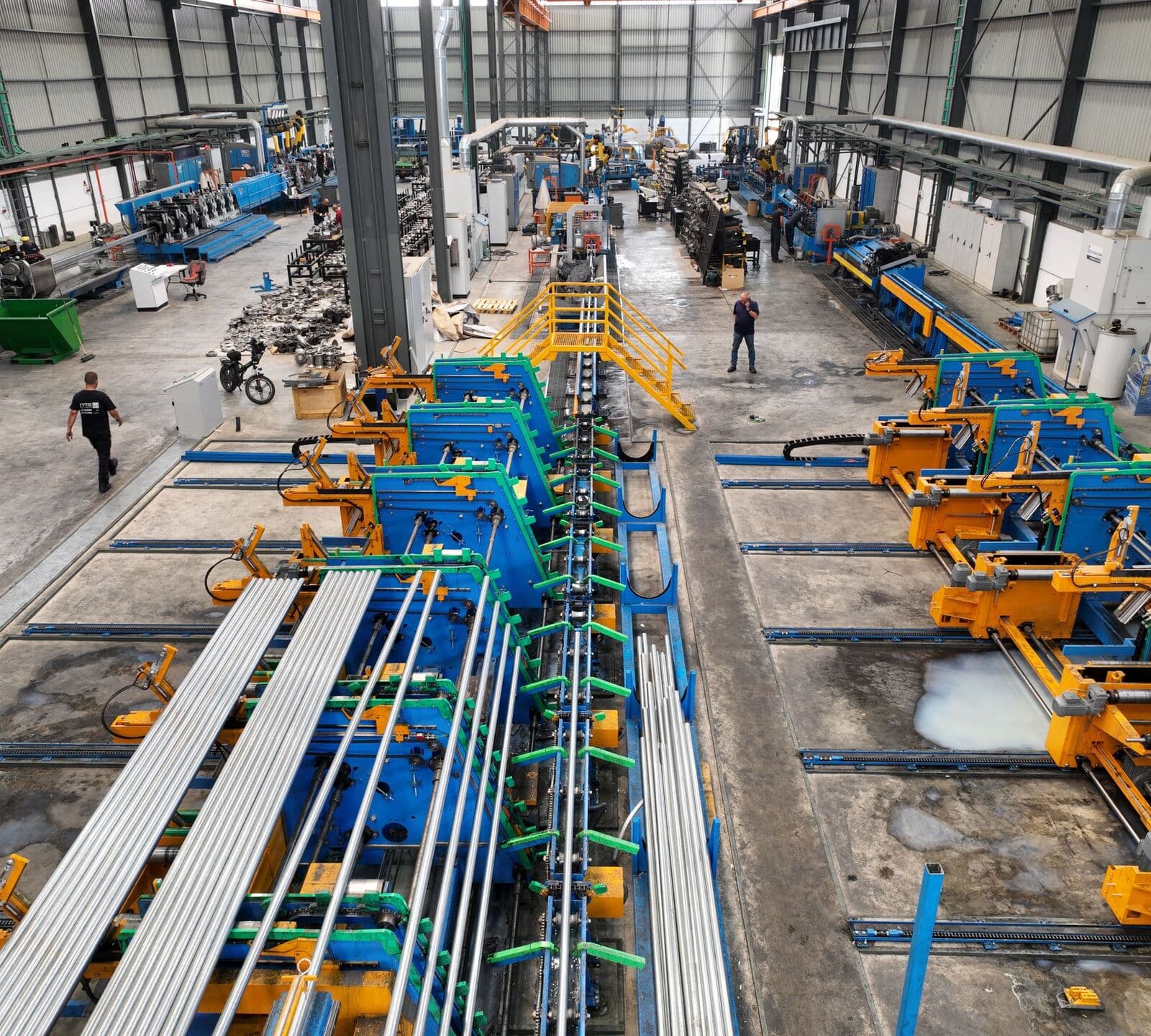
A network designed for machines that don't reboot on demand.
OT and IT convergence. A flat network between plant and office is the common failure, and segmentation is the fix. It's a design problem, not a purchase.
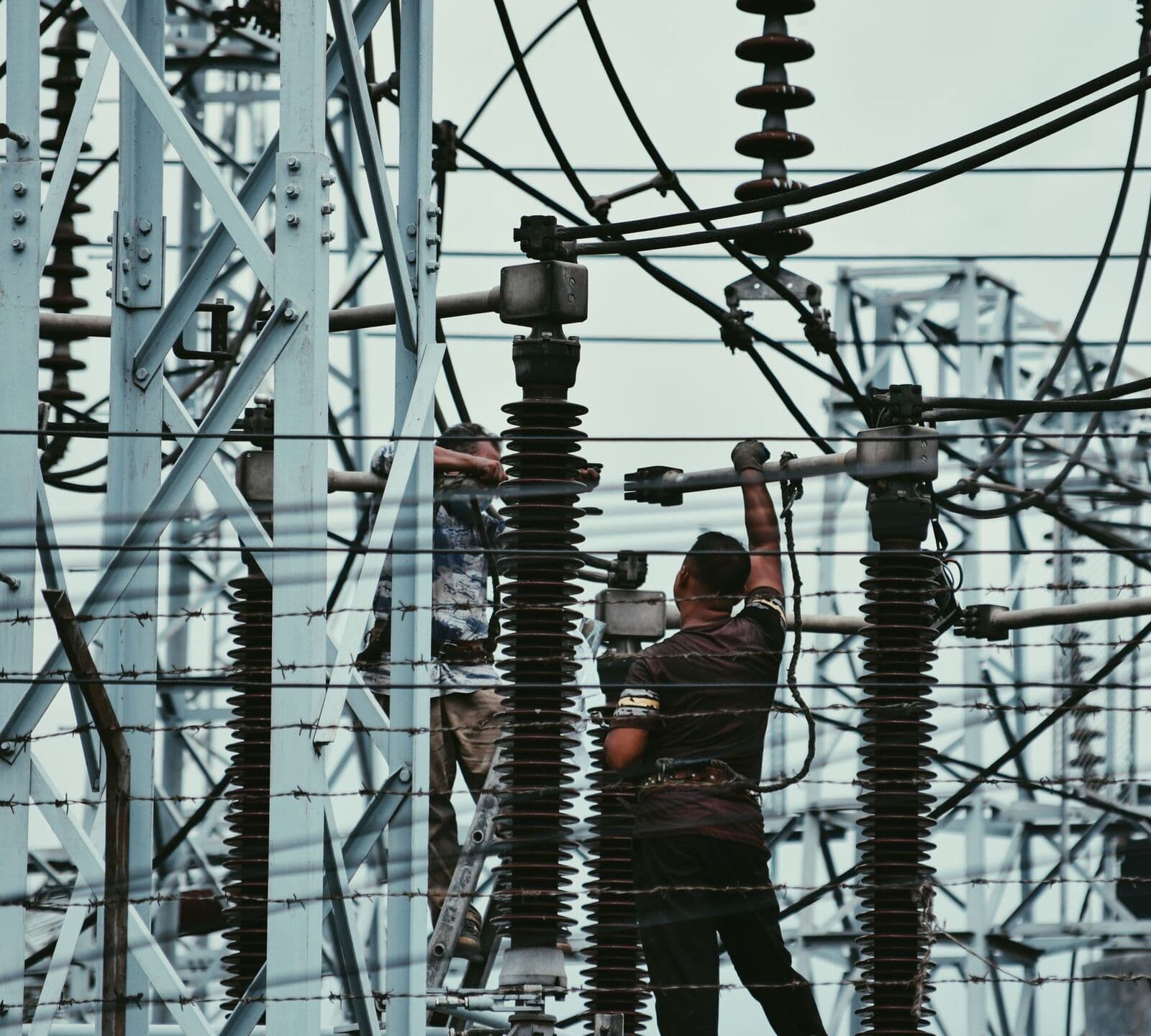
Kit specified for the environment, not the catalogue.
SCADA and ICS. Availability outranks confidentiality here, and you often can't take a system offline to investigate what happened on it.
What do you need from Enterprise Networking?
Tell us who you are and what you're working on. A senior engineer reads your message before replying, so the first answer is a real read on scope, risk and timing, within an hour, 24/7. Nothing here is a commitment, and we'll tell you plainly if we're not the right fit.
Your request
- Service
- Enterprise Networking
What happens next
- A senior engineer replies within an hour, 24/7, never an SDR.
- We book a 30-minute call to listen, sketch options, and flag risks.
- You get a scoped statement of work within 3 business days.
Call the 24/7 line
+1 514-465-1584Enterprise networking in Canada, made real.
I run these builds myself, so here's how enterprise networking actually plays out on Canadian production networks.
Fabric, policy, and assurance.
Good enterprise networking has three moving parts that have to agree: the fabric, the policy, and the assurance layer. The fabric is your Nexus spine-leaf or your ACI underlay. Policy is how traffic is allowed to move, usually SD-Access segments or ACI contracts. Assurance is the telemetry that tells you it's all working. When those three drift apart, you get outages nobody can explain and a war room at midnight. We keep them inside one design so they can't.
How we work.
We work in the open. You get direct access to the architect doing the build, not an account layer that relays messages. Your real risk isn't the technology, it's the cutover window and the state nobody wrote down. So we map the current state first, stage the change in a lab, and keep a tested rollback ready. If a migration has to pause, your production traffic never feels it.


Want a Senior IT Consultant's Read on Your Setup?
Tell us what you run today and what keeps breaking. A senior SMEnode engineer replies within an hour with a first read on scope, risk and timing. No sales handoff.
Request a consultHow an enterprise network project runs in Canada.
Every enterprise networking project we run in Canada follows the same order, because skipping steps is how outages happen. We assess before we design, we design before we touch anything, and we test the failure path before the cutover. You see each stage, sign off on each stage, and nothing reaches production until the rollback is proven. Here's the sequence, start to finish.

Engagement phases
Phases 01 to 04
Assess
We map what you actually have: the fabric, the routing, the policy, and the gaps. No vendor bias, no assumptions. You get a written picture of the current state and the risks inside it, in plain language, before anyone proposes a single change.
Design
Then we design the target: ACI or SD-Access, the segmentation model, failure domains, and the migration path. We fold network security services into the design here, not after, so segmentation and access control ship together.
Build and test
We build in a staging fabric first and test the failure path. Pull a link, drop a node, watch it reconverge. The rollback is written and rehearsed before we book a window.
Cut over and hand off
Cutovers run in a controlled window with the rollback on standby. Once you're stable, we hand off clean documentation and, if you want, we run the network for you. You keep direct access to the architect who built it, not a ticket queue.
Enterprise networking questions, answered straight.
These are the questions CTOs actually ask me before an enterprise networking project. Straight answers, written by the engineer who'll run yours.
Where this work connects.
These disciplines share the same senior team and tend to land together. Follow the thread to the next one.
- WANSD-WAN SolutionsWe design, build, and run SD-WAN solutions for Canadian networks, so branch traffic just works.
- CoreData Centre ServicesWe design, build, and run data centre services across Canada. Senior engineers do the hands-on work, not slideware.
- Zero-trustCybersecurity ConsultingWe run cybersecurity consulting across Canada end to end, from zero trust design to firewall build and audit.