AI Consulting Services in Canada
Trusted by






Which of these is costing you right now?
Four of the reasons Canadian mid-market teams call us. If one of these is yours, the page below says which piece of work fixes it.
You've run six pilots and shipped none of them
Every one of them demoed well and none survived contact with a real process. The gap is never the model, it's that nobody owned the integration.
The model's fine, your data is the problem
Six systems, four definitions of a customer, and no lineage on any of it. No model fixes that, and every vendor demo quietly assumes you already have.
Your staff are already pasting client data into chatbots
They're not being reckless, they're being productive with the tools they have. You don't have an AI policy problem yet, you have an AI policy vacuum.
It sounds confident and it's sometimes just wrong
A generative system with no grounding and no evaluation will invent an answer rather than decline one. Fine in a demo, a liability in front of a customer.
Pick the piece you need, or the whole programme.
Every service in this practice, with what it covers and who it's for.
- AI SecurityCanadian AI security that tests your models and pipelines, then fixes what breaks.
- AI Strategy ConsultingCanadian AI strategy consulting that scores use cases, kills the weak ones, and costs the rest.
- AI Automation ServicesCanadian AI automation built on real integrations, real permissions, and a plan for when it breaks.
- Agentic AI DevelopmentCanadian AI agent development with narrow scope, real permissions, and measured task completion.
- AI GovernanceCanadian AI governance scoped to what binds you, with the controls running inside your systems.
- AI Readiness AssessmentA Canadian AI readiness assessment that examines your permissions and data, not a questionnaire.
- On-Premise and Sovereign AISovereign AI for Canadian firms, on your hardware or in a Canadian region, with provable residency.
- RAG ImplementationCanadian RAG implementation that fixes retrieval quality first, because that's what fails.






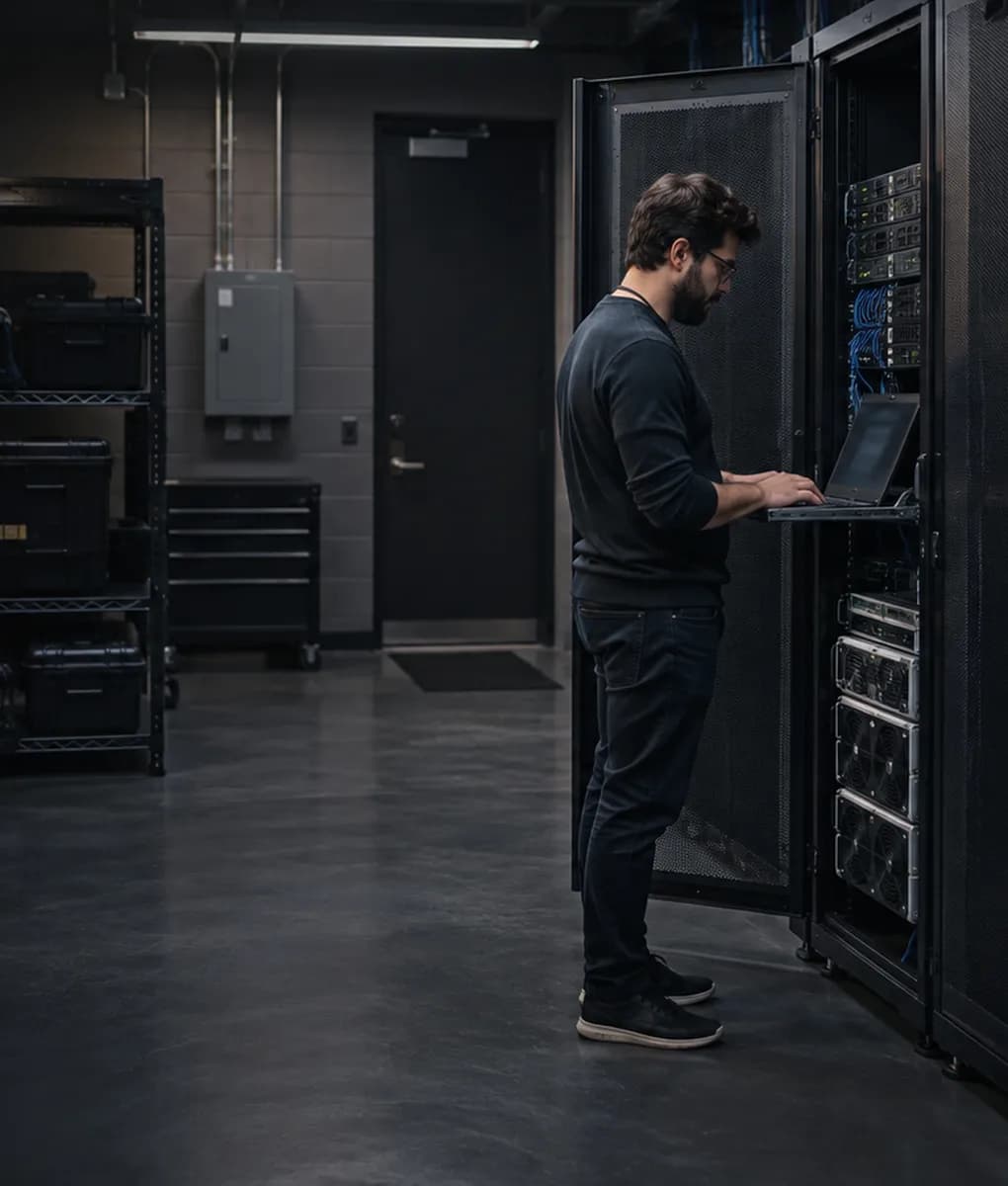

What AI consulting actually covers.
AI consulting services split three ways. Take one, take the set, or have us assess which one you're short on before you spend anything.
Readiness and strategy
Whether you're ready, and what to do first if you are. Data lineage, system inventory, a costed list of use cases, and an honest answer about which aren't worth building. This is the part of AI consulting a free proof of concept skips, and what stops six pilots becoming six write-offs.
Build and automate
Getting a working system into a process people already use. Retrieval over your own documents, agents with limits and logging, and the plumbing between the model and the systems of record. Most AI solutions providers stop at the API call, which is where the hard part starts.
Governance and security
Who approved it, what it's allowed to touch, and what happens when it's wrong. Policy, approval paths, logging, model red-teaming, and the evidence a client questionnaire asks for. AI advisory work is cheap at this stage and expensive after the incident, which is the whole argument.
Does AI Consulting Services work the same way in every industry?
No. The AI Consulting Services work is the same craft in every sector, but the conditions around it are not. In financial services that means OSFI's technology and cyber risk rules; in government, Protected A, B and C data handling; and in defence and aerospace, controlled goods rules, CMMC and the flow-down from your prime. We keep the service and change the part that bends.

OSFI's technology and cyber risk rules set what an examiner will ask to see.
OSFI B-13. Technology and cyber risk across three domains: governance, technology operations and resilience, and cyber security. It binds federally regulated institutions, and only those.
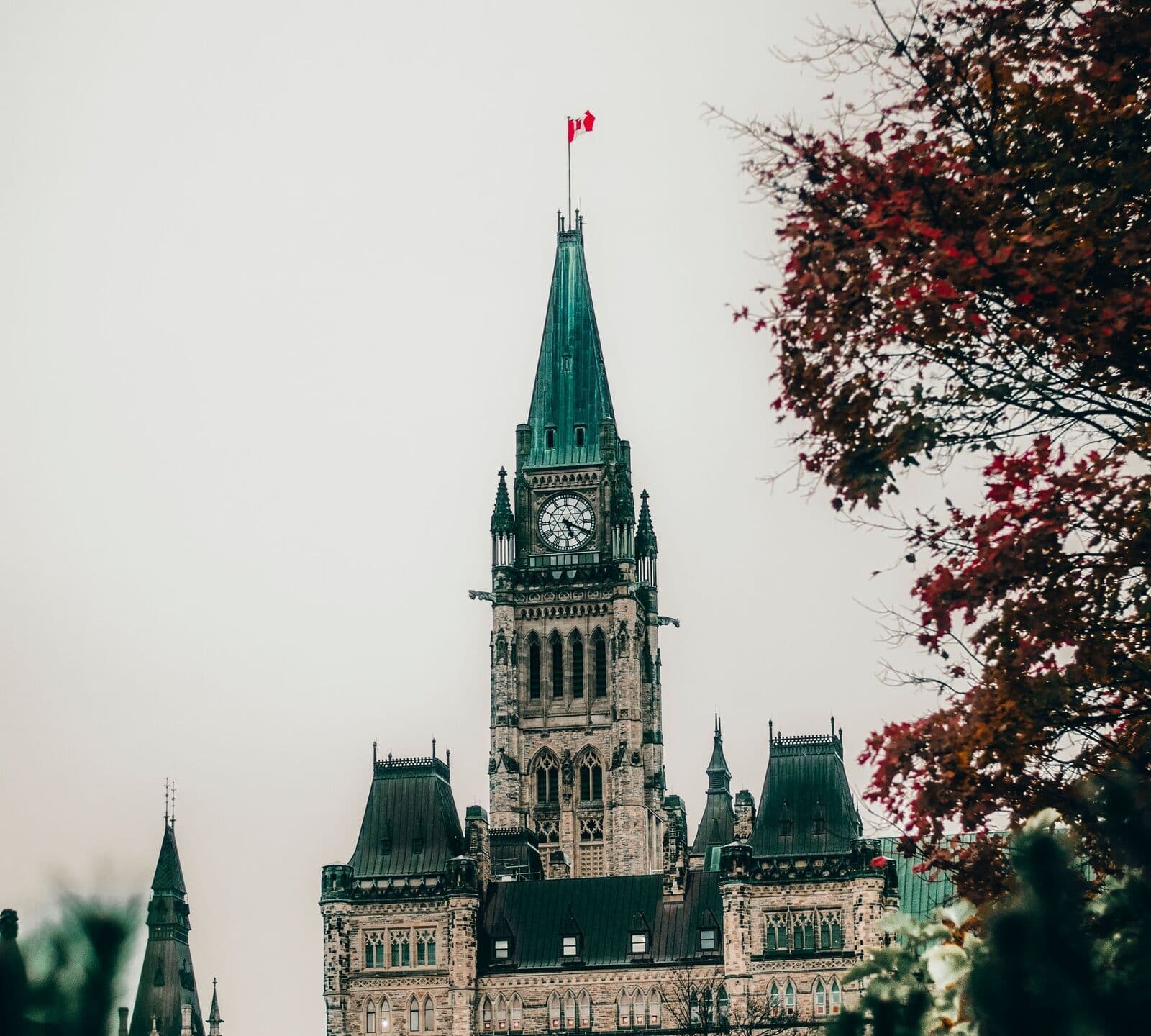
Protected A, B and C data handling decides where the work can run and who can touch it.
Protected A, B and C. Each level changes where the data can physically live, who can reach it, and what you have to prove about both. Most files turn on Protected B, and most disagreements turn on what counts as reaching it.

Controlled goods rules, CMMC and the flow-down from your prime set what a supplier can do.
ITAR and the Controlled Goods Program. Registration under the Defence Production Act is mandatory before anyone examines, possesses or transfers controlled goods in Canada. Technical data counts, so a drawing sitting on a laptop is in scope.

Health information sits under provincial privacy law, and your IT provider is usually the custodian's agent.
PHIPA. Ontario's health privacy act, with its own definition of a custodian and its own duties for the agents acting on a custodian's behalf. Your IT provider is usually an agent.

Solicitor-client privilege decides how a firm can handle its data.
Law Society obligations. Confidentiality and competence duties reach the technology you practise with, and the vendors who touch client information. The firm is expected to have assessed the provider, which means the provider should arrive with the answers.
By the numbers
Years of experience
Enterprise deployments
Senior engineers
Support
Want a Senior IT Consultant's Read on Your Setup?
Tell us what you run today and what keeps breaking. A senior SMEnode engineer replies within an hour with a first read on scope, risk and timing. No sales handoff.
Request a consultHow an AI consulting engagement runs.
Four stages. The first is where we say which use cases not to build, and some clients stop there.

Engagement phases
Phases 01 to 04
Count the data, not the use cases
We look at what data you hold, where it lives, and who's allowed to see it, before anybody picks a use case. Most AI consulting plans fail one layer below the model.
Pick two, kill the rest
We cost every candidate use case against the effort to build it, and recommend the two worth funding this year. Killing the other eight is the part that pays for the engagement.
Build one thing properly
One use case into production with grounding, evaluation, logging and a rollback, rather than five demos. A principal engineer does the build and stays reachable after it ships.
Write down how it's governed
Policy, approval path, logging and an owner, produced from the running system rather than drafted afterwards. This is what you hand an auditor, an insurer, or a client's security review.
Where Canadian AI consulting engagements actually break.
I run this practice, so I'll be direct about the two failures I see most, because neither is a model problem and both are expensive to unwind.
The pilot that could never have shipped
A team picks a use case that demos beautifully, builds it against a hand-cleaned extract, and shows it to the board. Everybody is impressed. Then production needs six system integrations, a data owner who never agreed to any of this, and a legal answer about where prompts go, so it sits in a folder marked phase two. The fix is unglamorous and it comes first: cost the integration and the data work before the model, because that's where the money and the calendar go.
Nobody has told you there is no Canadian AI act
Half the AI consulting pitches in this market imply a Canadian AI statute you have to comply with. There isn't one. AIDA died at prorogation in January 2025 and no successor has been tabled, so what actually binds you is privacy law, your sector regulator, and whatever your clients put in their contracts. That's harder than a single act, not easier, because the answer depends on your province and your customers. Anybody selling you compliance with a law that doesn't exist has not read the file.

What do you need from AI Consulting Services?
Tell us who you are and what you're working on. A senior engineer reads your message before replying, so the first answer is a real read on scope, risk and timing, within an hour, 24/7. Nothing here is a commitment, and we'll tell you plainly if we're not the right fit.
Your request
- Service
- AI Consulting Services
What happens next
- A senior engineer replies within an hour, 24/7, never an SDR.
- We book a 30-minute call to listen, sketch options, and flag risks.
- You get a scoped statement of work within 3 business days.
Call the 24/7 line
+1 514-465-1584AI consulting in Canada, answered plainly.
The six questions we get asked before every engagement.
Canadian sectors, and where to read next
These disciplines share the same senior team and tend to land together. Follow the thread to the next one.