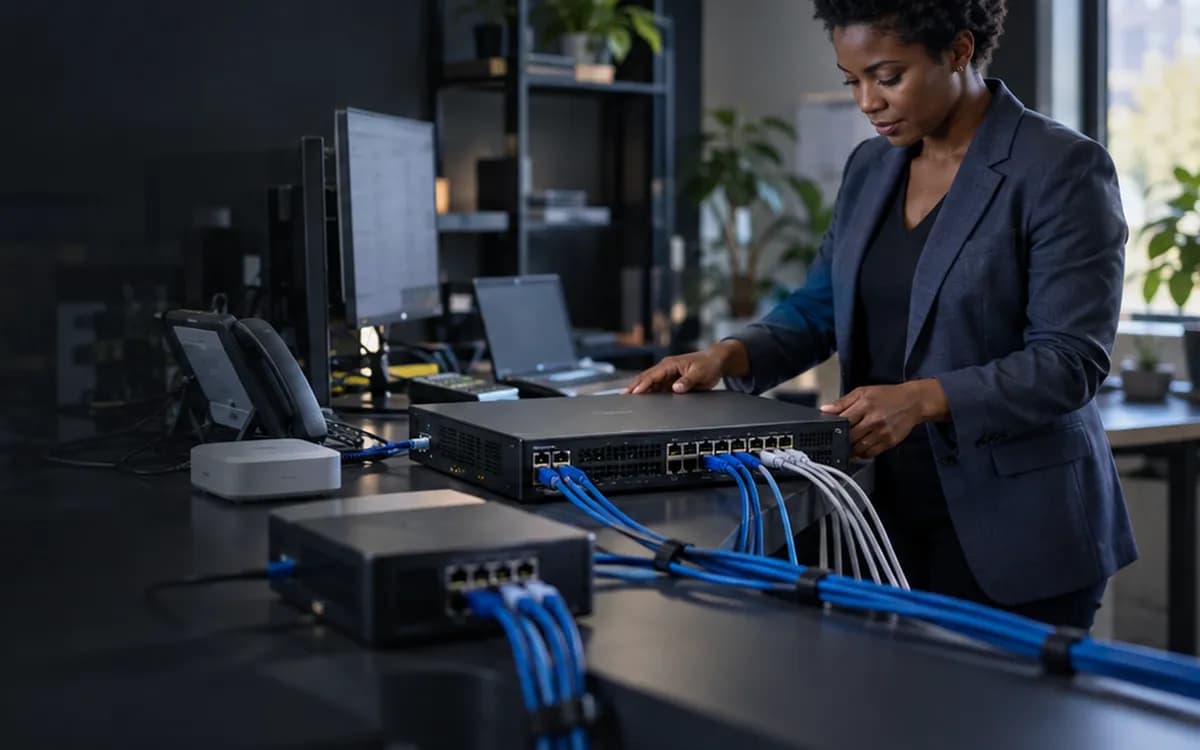
Cisco ACI, supported today and designed for whatever follows it
Trusted by







Cisco ACI, three pillars, one operator.
One Canadian team keeps the fabric supported, designs its successor, and runs both. Application Centric Infrastructure, the APIC controllers and the ACI fabric underneath them each age on their own schedule.
Keep it supported
The management layer moved and the old controller software ran out of runway. We hold the lifecycle position for every controller, switch and software version you run, track the advisories against them, and keep the patch path current instead of discovering it during an outage.
Design what follows
A standards-based fabric you can interconnect to, rather than a cutover cliff. From a recent ACI release there's a supported interconnect to a VXLAN EVPN fabric, with names normalised across the boundary so tenants keep their identity as they cross.
Run both at once
Two fabrics live, workloads crossing between them on your schedule. When something breaks at 02:00, escalation reaches an engineer who already knows your policy model rather than a queue asking you to upload the config again.
Does Cisco ACI work the same way in every industry?
No. The Cisco ACI work is the same craft in every sector, but the conditions around it are not. In manufacturing that means production lines that can't stop for a patch window; in energy and mining, SCADA networks and remote sites that can't go offline; and in healthcare, provincial health privacy law. We keep the service and change the part that bends.
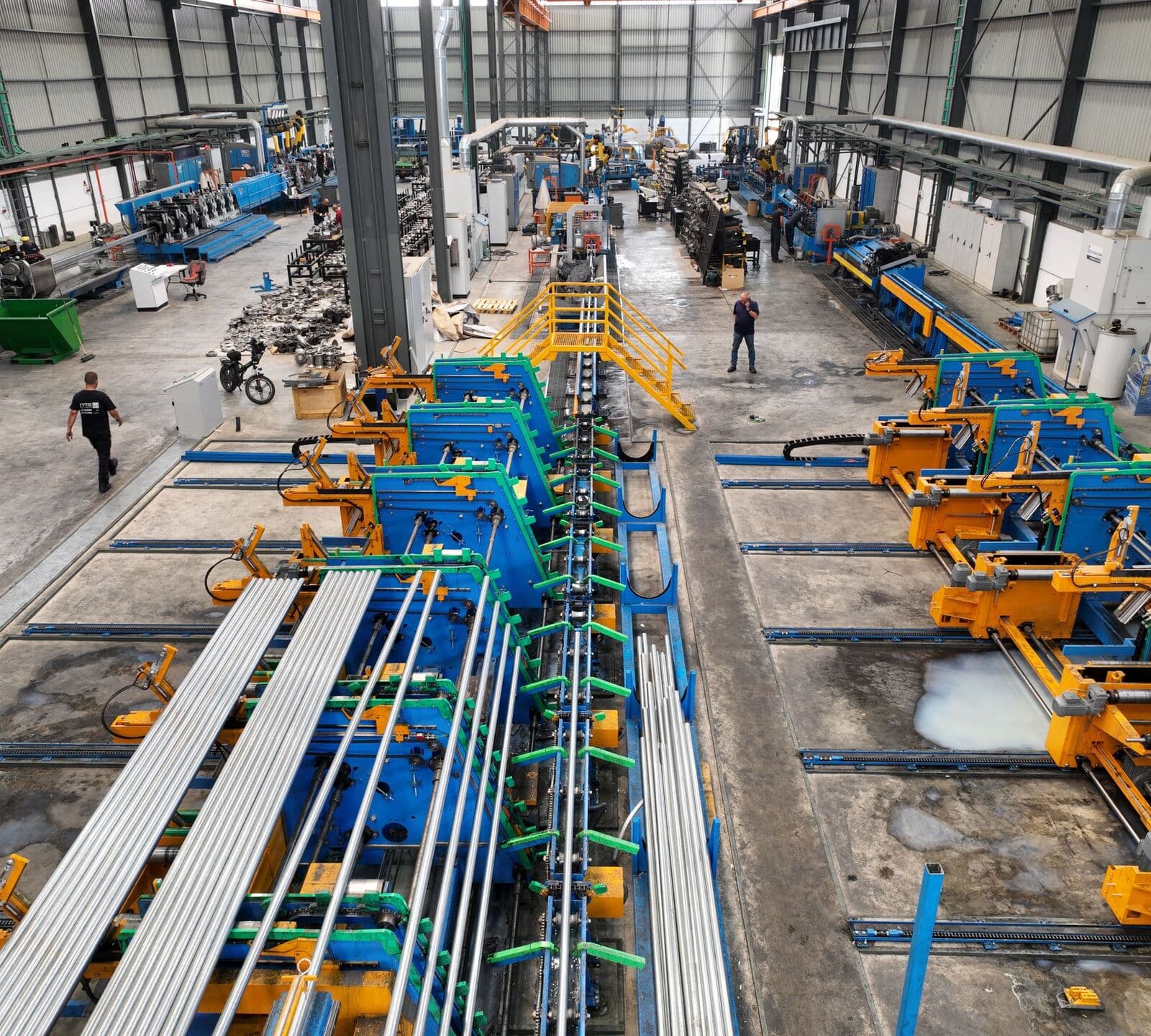
A production line can't stop for a patch window, so changes have to fit the schedule.
OT and IT convergence. A flat network between plant and office is the common failure, and segmentation is the fix. It's a design problem, not a purchase.
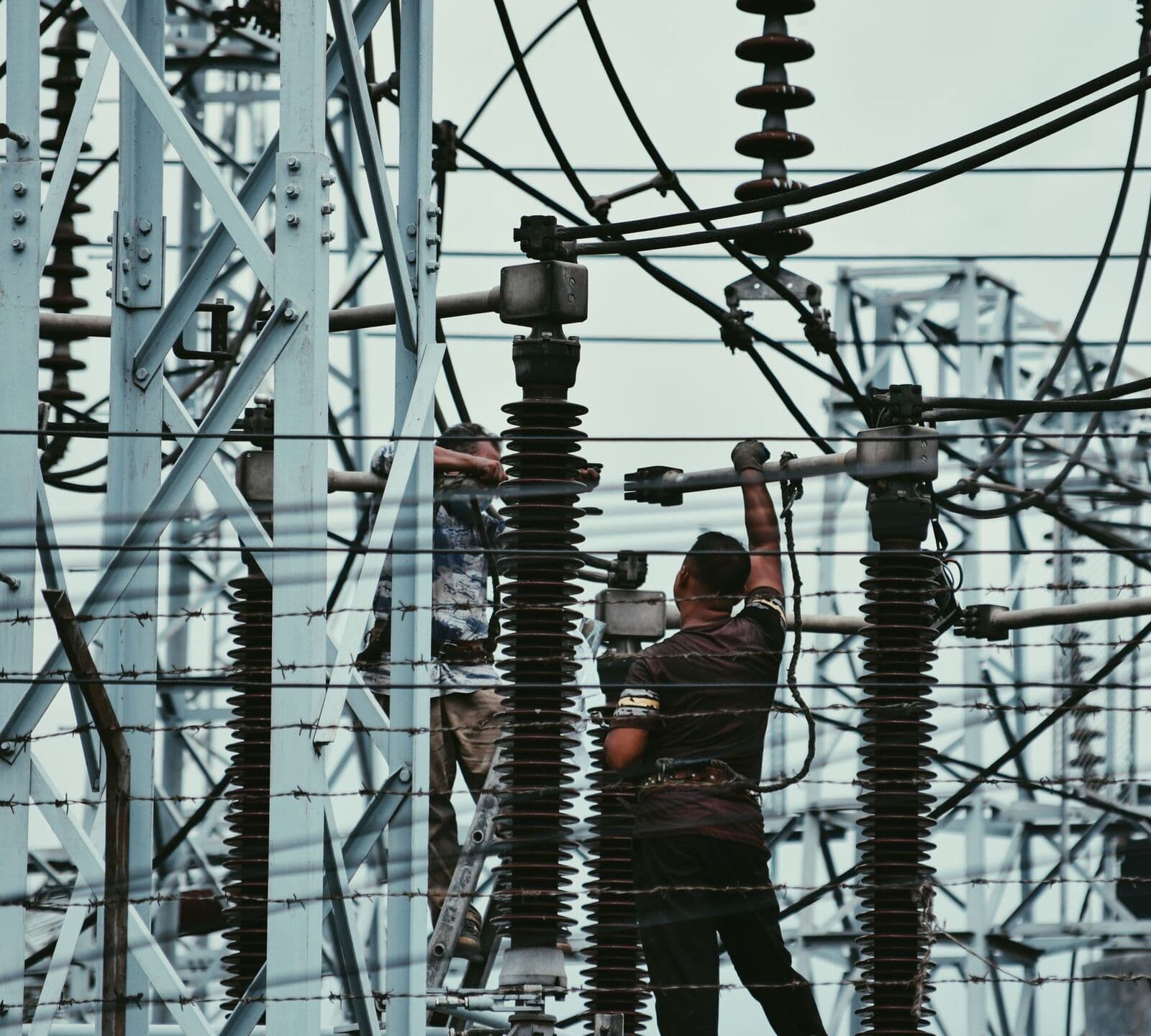
SCADA networks and remote sites can't go offline, so changes are planned around them.
SCADA and ICS. Availability outranks confidentiality here, and you often can't take a system offline to investigate what happened on it.

Health information sits under provincial privacy law, and your IT provider is usually the custodian's agent.
PHIPA. Ontario's health privacy act, with its own definition of a custodian and its own duties for the agents acting on a custodian's behalf. Your IT provider is usually an agent.

Solicitor-client privilege decides how a firm can handle its data.
Law Society obligations. Confidentiality and competence duties reach the technology you practise with, and the vendors who touch client information. The firm is expected to have assessed the provider, which means the provider should arrive with the answers.

Protected A, B and C data handling decides where the work can run and who can touch it.
Protected A, B and C. Each level changes where the data can physically live, who can reach it, and what you have to prove about both. Most files turn on Protected B, and most disagreements turn on what counts as reaching it.
What do you need from Cisco ACI?
Tell us who you are and what you're working on. A senior engineer reads your message before replying, so the first answer is a real read on scope, risk and timing, within an hour, 24/7. Nothing here is a commitment, and we'll tell you plainly if we're not the right fit.
Your request
- Service
- Cisco ACI
What happens next
- A senior engineer replies within an hour, 24/7, never an SDR.
- We book a 30-minute call to listen, sketch options, and flag risks.
- You get a scoped statement of work within 3 business days.
Call the 24/7 line
+1 514-465-1584Cisco ACI in Canada, made real.
Two things get said about this platform and both are wrong. One is that it's finished. The other is that nothing has changed.
What Cisco has actually published, and what it hasn't.
Start with the notices, because the rumours are louder. There's no end-of-life for the platform itself. What does exist: support for Data Center Network Manager 11.5.x ended in April 2026, NDFC on Nexus Dashboard is its successor, and new NX-OS switch image support goes to that successor only (source: Cisco, DCNM 11.5.x end-of-sale and end-of-life announcement). Separately, the Nexus Dashboard and APIC M6 appliances carry their own end-of-sale notice, which is controller hardware rather than a product decision (source: Cisco). Confuse the two and you either panic early or miss a real support deadline.
The direction changed, and it works in your favour.
The management layer now drives ACI and standards-based fabrics side by side rather than one or the other, and there's a supported interconnect between an ACI fabric on a recent release and a VXLAN EVPN fabric, multi-pod designs included, with namespace normalisation across the boundary. The question stops being when do we cut over and becomes which tenant moves next. A Canadian estate with no maintenance appetite can stand the second fabric up beside the first and move at whatever pace the business tolerates.
Is it still worth investing in?.
Search interest across this family has fallen: the platform name by about a fifth in a year, the switch model numbers by half, the management product by nearly as much (source: DataForSEO, Canada, pulled 2026-09-03). That reflects fewer new builds, not fewer running fabrics. The estates are still there, still carrying production, and increasingly short of people who know the policy model. That's the work: keep it healthy, and design the thing it hands over to.

Want a Senior IT Consultant's Read on Your Setup?
Tell us what you run today and what keeps breaking. A senior SMEnode engineer replies within an hour with a first read on scope, risk and timing. No sales handoff.
Request a consultHow our ACI migration and fabric design work runs.
Four steps, and step 01 is reading lifecycle notices rather than blog posts. We want your controller model, ACI release, switch models and management software version written down, then each checked against Cisco's published notices. Roughly half the anxiety we're called about turns out to be a hardware end-of-sale read as a product ending, and the other half a genuine software support date nobody diarised.
Engagement phases
Phases 01 to 04
Establish the real lifecycle position
Controller hardware, ACI release, switch platforms and management software, each checked against the published notice that actually covers it, with dates. You get a written position per serial, not a rumour.
Health and policy audit
Fabric health, contract and policy sprawl, tenants that no longer exist, and the undocumented rules that will decide how hard any migration turns out to be.
Stand the successor up beside it
A standards-based fabric built alongside and interconnected to the existing one, so nothing is stranded and no date is forced on you by a vendor's calendar.
Move tenants, then decommission
Workload by workload with both fabrics live and a way back until each move passes its tests. The old fabric is retired only once it's empty.
Cisco ACI questions, answered straight.
Answers first, including whether the platform is being discontinued and what the lifecycle notices actually say. An architect takes the call, not a salesperson.
Where this work connects.
These disciplines share the same senior team and tend to land together. Follow the thread to the next one.
- SupportCisco SupportCanadian Cisco support from a CCIE-led team: what's actually covered, escalation past TAC, and licensing that stops surprising you.
- SupportPalo Alto SupportCanadian Palo Alto firewall support from a CCIE-led team, including the renewal nobody forecasts.
- SupportF5 BIG-IP SupportF5 BIG-IP support for Canadian estates, from the upgrade you deferred to the exposure you inherited.