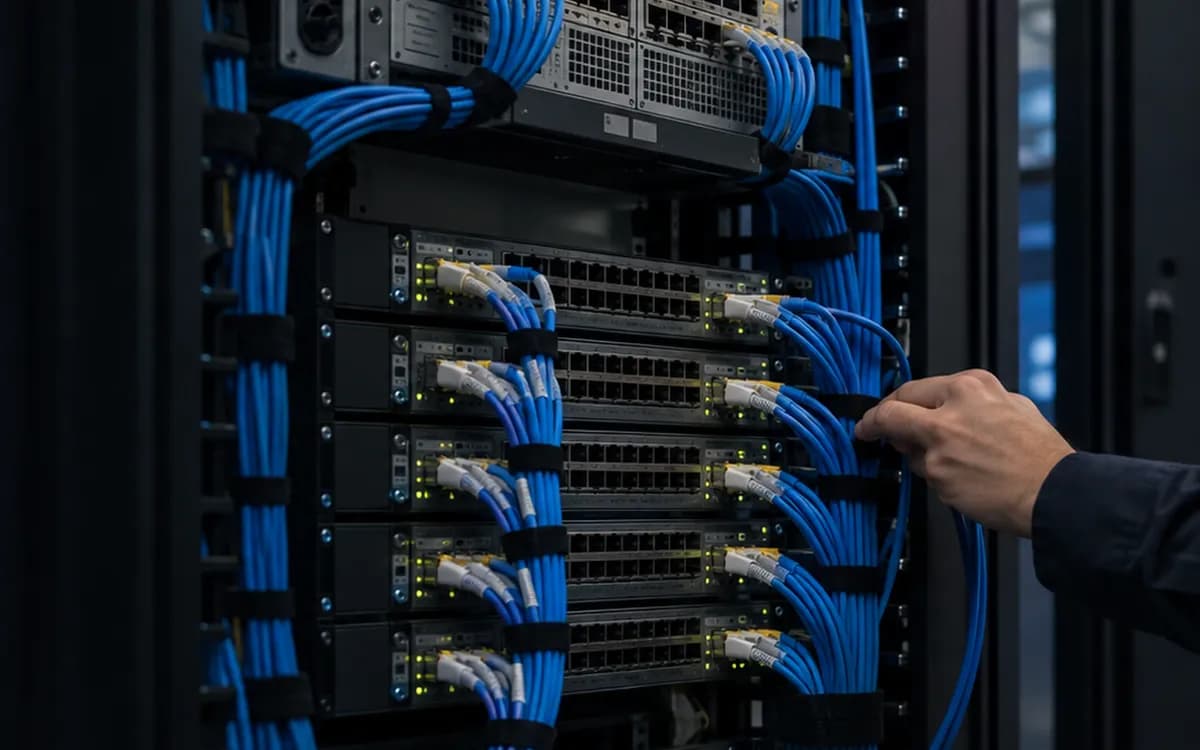
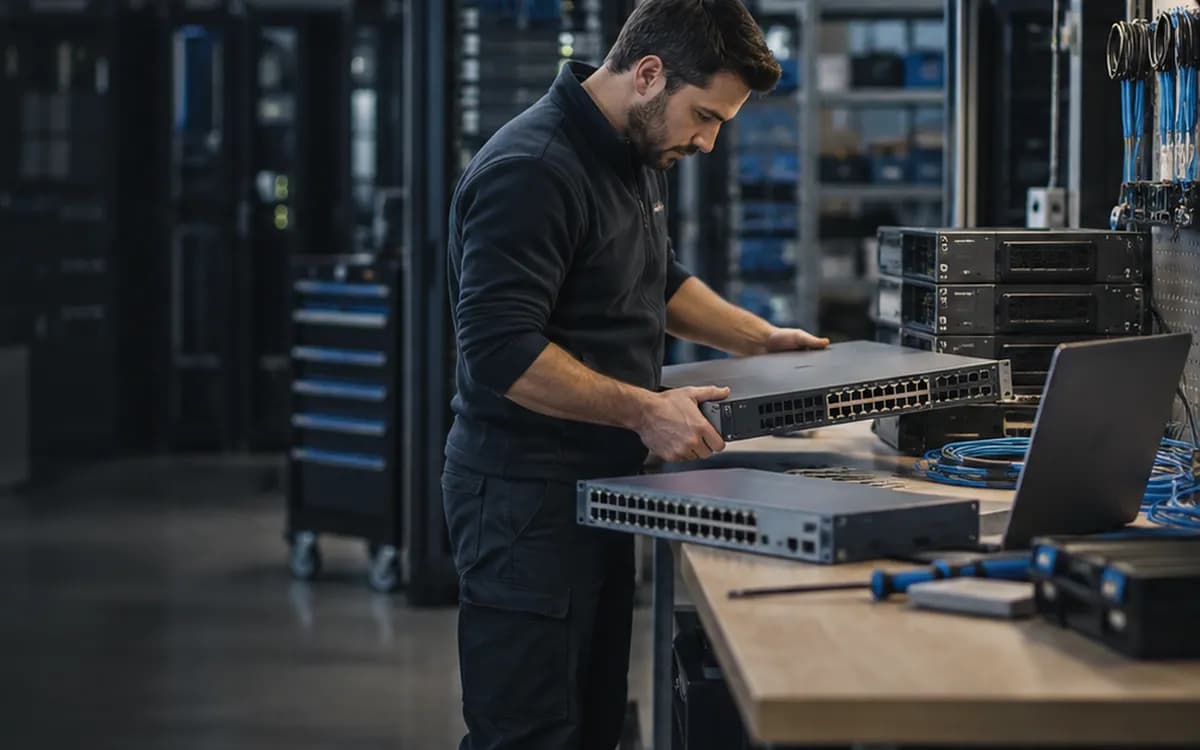
F5 BIG-IP support for the platform F5 decided to keep
Trusted by







F5 BIG-IP, three pillars, one operator.
One Canadian team inventories the estate, closes the exposure, and runs the upgrades. BIG-IP LTM, Advanced WAF and BIG-IP APM each carry their own config, their own risk, and their own reason an upgrade keeps getting deferred.
Know what you actually run
Version, module set, hardware generation and management exposure, per device, before anybody touches a config. We check reachability from outside your network instead of trusting the documentation, and the answer is routinely different from what the network diagram claims.
Close the management plane
A stolen list of undisclosed vulnerabilities turns an internet-facing management interface into a countdown. We get those interfaces off the public internet, separate administrative access from everyday access, and remove the accounts nobody recognises. CISA gave federal agencies until 2025-10-22 to do the same three things.
Upgrade the line that survived
The platform you were told to wait for stopped being sold on 2026-01-01, so the F5 upgrade you deferred lands on the TMOS 17.x line you already run. Paired devices move one at a time, with the iRules read first and a rehearsed rollback staged behind each step.
Does F5 BIG-IP Support work the same way in every industry?
No. The F5 BIG-IP Support work is the same craft in every sector, but the conditions around it are not. In manufacturing that means production lines that can't stop for a patch window; in energy and mining, SCADA networks and remote sites that can't go offline; and in healthcare, provincial health privacy law. We keep the service and change the part that bends.
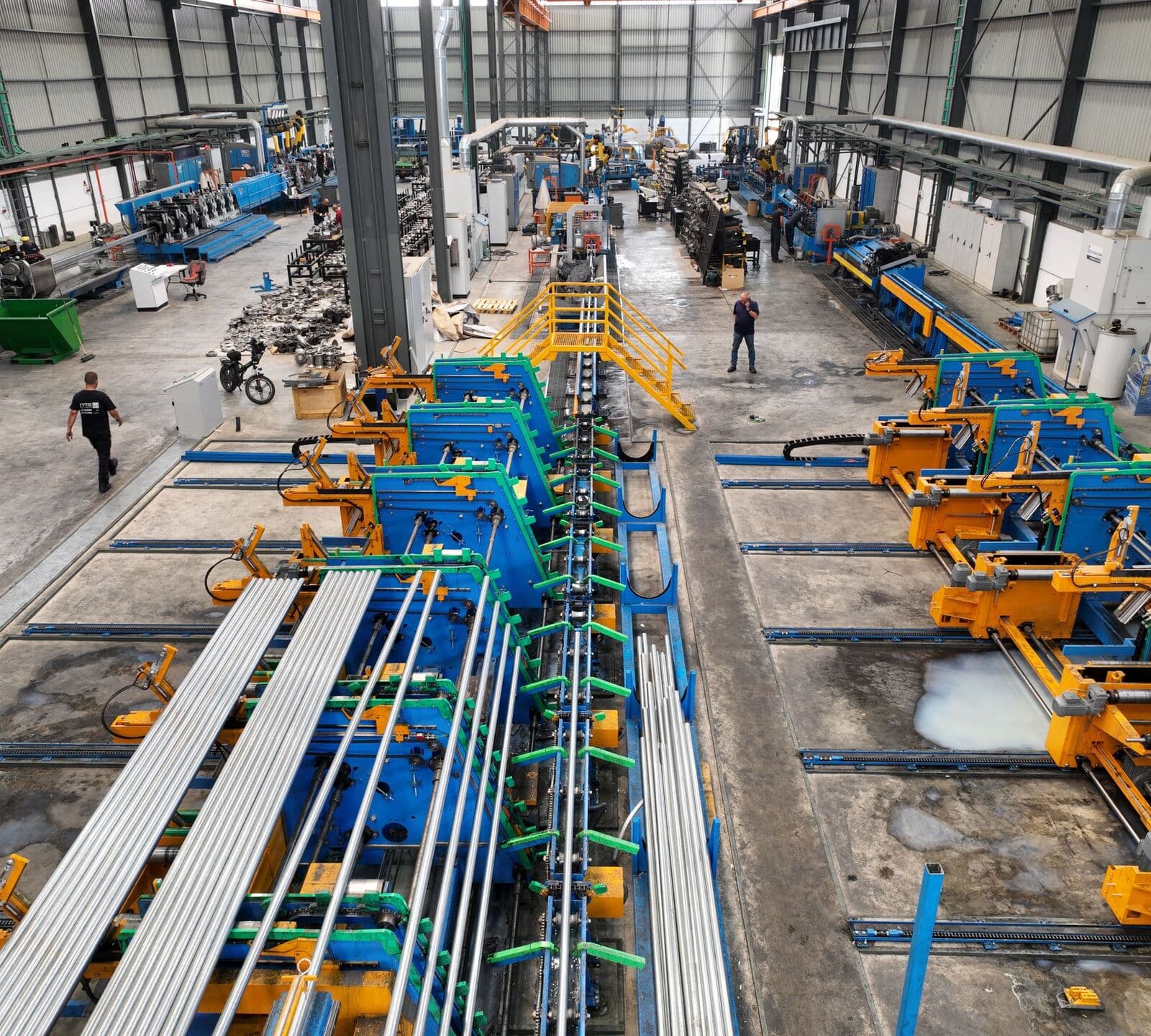
A production line can't stop for a patch window, so changes have to fit the schedule.
OT and IT convergence. A flat network between plant and office is the common failure, and segmentation is the fix. It's a design problem, not a purchase.
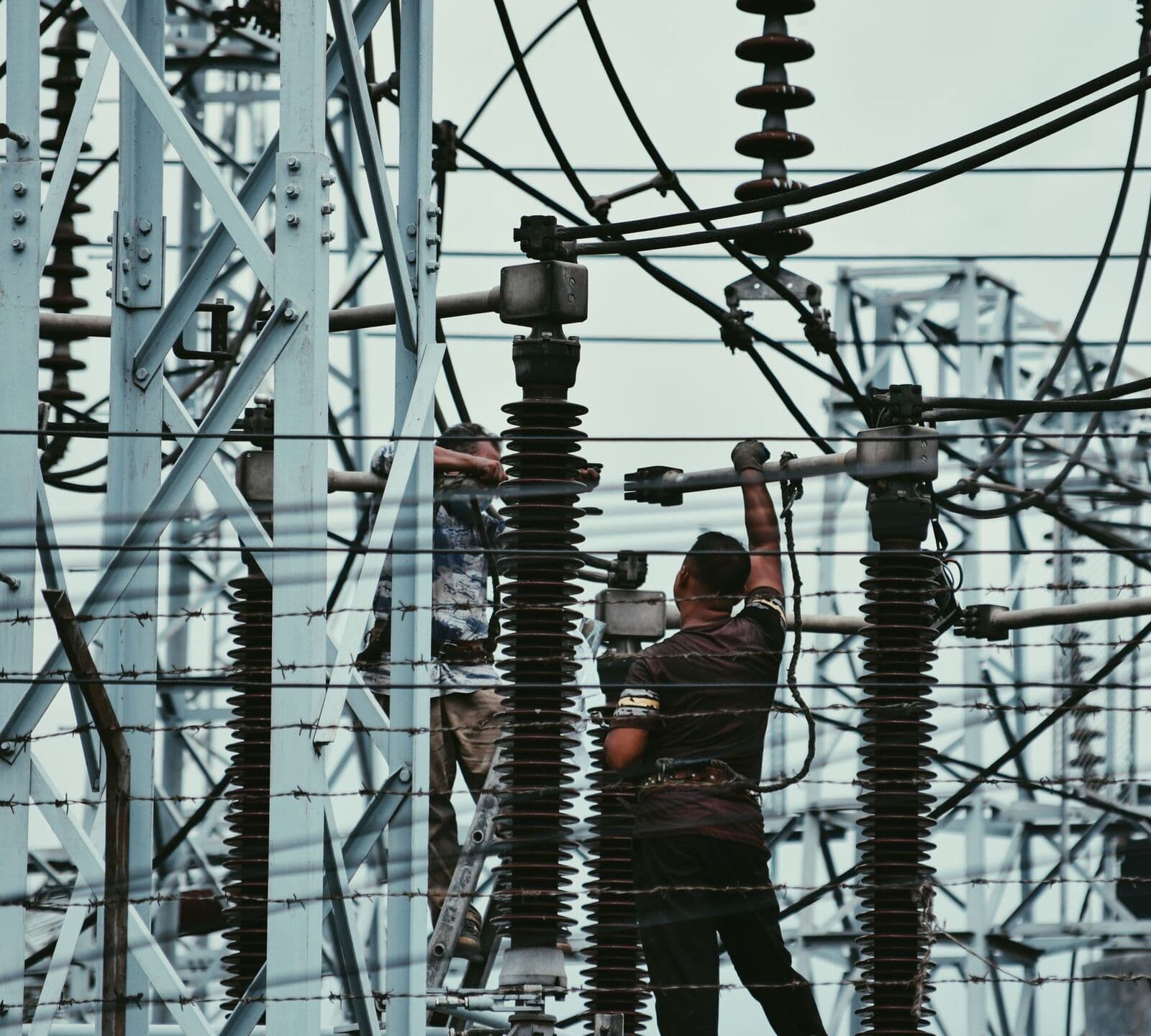
SCADA networks and remote sites can't go offline, so changes are planned around them.
SCADA and ICS. Availability outranks confidentiality here, and you often can't take a system offline to investigate what happened on it.

Health information sits under provincial privacy law, and your IT provider is usually the custodian's agent.
PHIPA. Ontario's health privacy act, with its own definition of a custodian and its own duties for the agents acting on a custodian's behalf. Your IT provider is usually an agent.

Solicitor-client privilege decides how a firm can handle its data.
Law Society obligations. Confidentiality and competence duties reach the technology you practise with, and the vendors who touch client information. The firm is expected to have assessed the provider, which means the provider should arrive with the answers.

Protected A, B and C data handling decides where the work can run and who can touch it.
Protected A, B and C. Each level changes where the data can physically live, who can reach it, and what you have to prove about both. Most files turn on Protected B, and most disagreements turn on what counts as reaching it.
What do you need from F5 BIG-IP Support?
Tell us who you are and what you're working on. A senior engineer reads your message before replying, so the first answer is a real read on scope, risk and timing, within an hour, 24/7. Nothing here is a commitment, and we'll tell you plainly if we're not the right fit.
Your request
- Service
- F5 BIG-IP Support
What happens next
- A senior engineer replies within an hour, 24/7, never an SDR.
- We book a 30-minute call to listen, sketch options, and flag risks.
- You get a scoped statement of work within 3 business days.
Call the 24/7 line
+1 514-465-1584F5 BIG-IP in Canada, made real.
Two things happened to this platform inside twelve months, and most estates we see have reacted to neither.
The cancellation, and what it does to a deferred upgrade.
F5 spent years telling customers the future was a rebuilt platform, then in August 2025 said it would stop developing BIG-IP Next and modernise the classic TMOS software instead (source: F5, K000152956). Release 20.3 was the final one, it reached end of life on 2025-04-30, and every Next part number stopped being sold on 2026-01-01. F5's own reason was that customers had told it re-platforming meant significant reintegration and recertification work. So if you deferred an F5 upgrade waiting for that migration, the wait is over: the answer is the software you already run, on the 17.x line, with a further major release promised after it. F5 NGINX is a separate product line on its own release train, so we scope it on its own rather than folding it into a BIG-IP plan.
The disclosure, and why patching stopped being a project.
The second thing was a breach, and it reframes maintenance rather than adding a task. F5 disclosed that attackers had been inside its own systems for at least a year, taking files from the BIG-IP product development environment that held some source code along with details of vulnerabilities that had not been published. CISA issued Emergency Directive ED 26-01 and gave federal agencies a week to inventory every F5 device, check whether management interfaces were reachable from the internet, and patch (source: CISA, ED 26-01). The uncomfortable part is what that implies: for a period, somebody outside F5 knew about weaknesses before the people running the boxes did. Patching stops being a project and becomes a standing discipline.
The two findings we get on almost every estate.
The management plane also stops being an internal convenience. Most Canadian estates we inventory have at least one device answering on its management interface from somewhere it shouldn't, usually because a rule was added during a migration and never removed. The other recurring finding is iRules nobody can explain, written by somebody who left, which is what makes an upgrade frightening. Reading them before the change rather than during the outage is most of what turns an F5 upgrade from an event into a maintenance window.

Want a Senior IT Consultant's Read on Your Setup?
Tell us what you run today and what keeps breaking. A senior SMEnode engineer replies within an hour with a first read on scope, risk and timing. No sales handoff.
Request a consultHow our F5 upgrade and BIG-IP support work runs.
Four steps, and step 01 is a list rather than a change. We want every device with its software version, licensed modules, hardware generation and, most of all, whether anything outside your network can reach its management interface. Canadian estates that have been through two migrations rarely have that list, and building it is what turns the rest of the work from guesswork into a plan.

Engagement phases
Phases 01 to 04
Inventory the estate
Every device with version, module set, hardware generation and management exposure, checked from outside rather than taken from documentation. You get a written position per device, not a rumour.
Close the exposure
Management interfaces off the public internet, administrative access separated from everyday access, and the accounts nobody recognises removed.
Read the config before touching it
Virtual servers, pools, profiles and iRules audited, including the ones nobody can explain, so an upgrade stops being a guess.
Upgrade and keep upgrading
Paired devices moved one at a time onto a supported release with a rehearsed rollback, then a patch cadence somebody owns and a diary entry against the policy.
F5 BIG-IP questions, answered straight.
Answers first, including whether the replacement platform still exists and what the 2025 disclosure means for a device you already patched. An architect takes the call, not a salesperson.
Where this work connects.
These disciplines share the same senior team and tend to land together. Follow the thread to the next one.
- SupportCisco ISECanadian Cisco ISE deployment and support: version and patch state first, then policy, posture and guest access.
- SupportCisco ACICisco ACI support and migration for Canadian data centres, from a team that holds the CCIE.
- SupportCisco SupportCanadian Cisco support from a CCIE-led team: what's actually covered, escalation past TAC, and licensing that stops surprising you.