Cisco support, including the part TAC won't do
Trusted by






Cisco support, three pillars, one operator.
One Canadian team finds what's covered, escalates what isn't, and watches the dates. Cisco network support here means the contract position and the engineering sit with the same people, so neither one gets to blame the other.
What's actually covered
Every serial matched to a contract, a service level and an end-of-support date. The reconciliation reliably finds kit covered twice, kit covered at a level nobody chose, and the production device covered by nothing at all.
Escalation past TAC
Cisco TAC support works on Cisco's product, at Cisco's pace. One of our CCIEs reads your topology while the case is still being triaged, so what reaches Cisco is complete the first time and the design question gets answered by us.
Licensing and renewals
Cisco licensing reconciled against what's actually deployed. Smart Licensing accounts and virtual accounts tidied up, entitlements matched to serials, and Cisco maintenance renewals right-sized before the quote lands rather than after.
Does Cisco Support work the same way in every industry?
No. The Cisco Support work is the same craft in every sector, but the conditions around it are not. In manufacturing that means production lines that can't stop for a patch window; in energy and mining, SCADA networks and remote sites that can't go offline; and in healthcare, provincial health privacy law. We keep the service and change the part that bends.
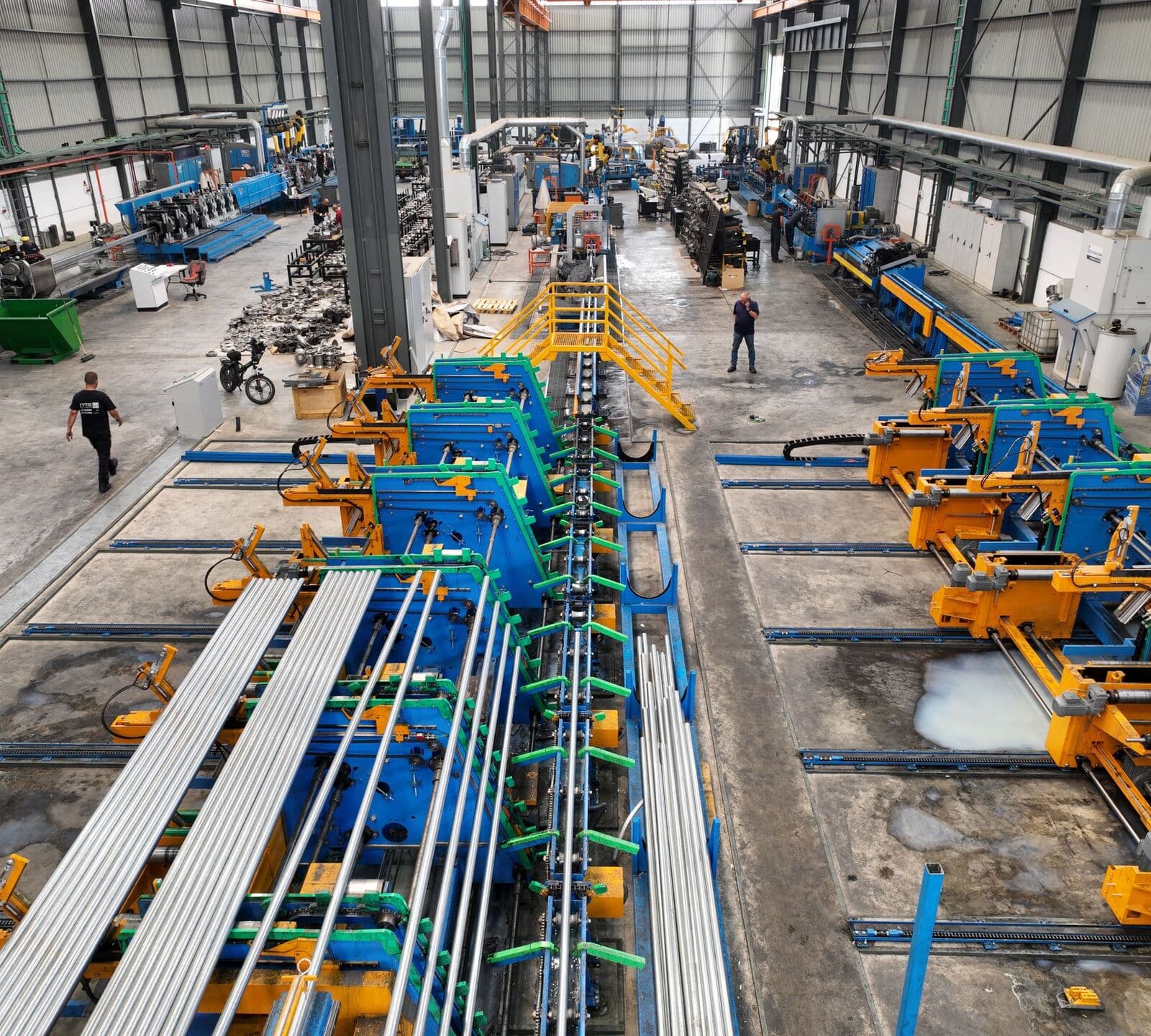
A production line can't stop for a patch window, so changes have to fit the schedule.
OT and IT convergence. A flat network between plant and office is the common failure, and segmentation is the fix. It's a design problem, not a purchase.
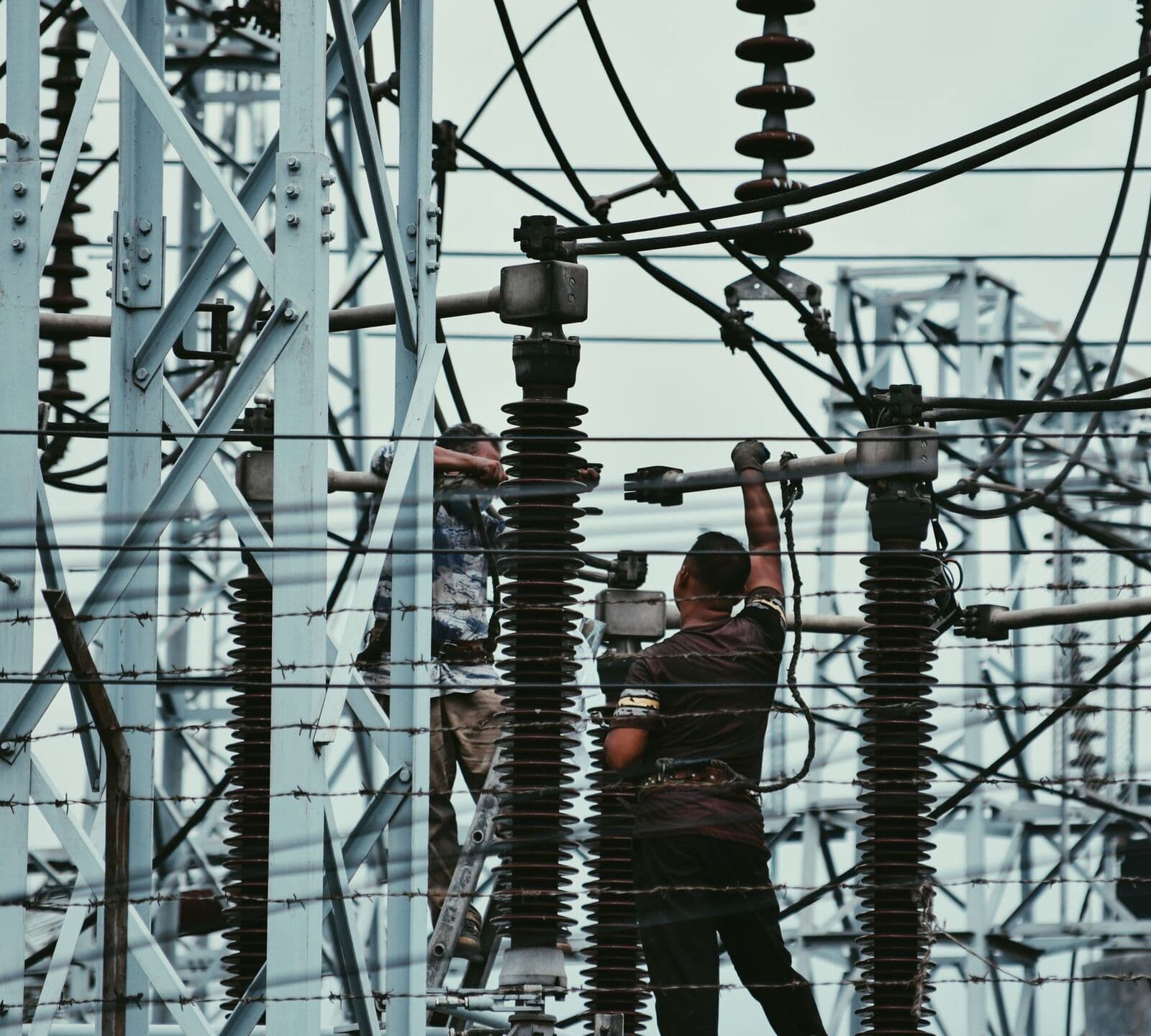
SCADA networks and remote sites can't go offline, so changes are planned around them.
SCADA and ICS. Availability outranks confidentiality here, and you often can't take a system offline to investigate what happened on it.

Health information sits under provincial privacy law, and your IT provider is usually the custodian's agent.
PHIPA. Ontario's health privacy act, with its own definition of a custodian and its own duties for the agents acting on a custodian's behalf. Your IT provider is usually an agent.

Solicitor-client privilege decides how a firm can handle its data.
Law Society obligations. Confidentiality and competence duties reach the technology you practise with, and the vendors who touch client information. The firm is expected to have assessed the provider, which means the provider should arrive with the answers.
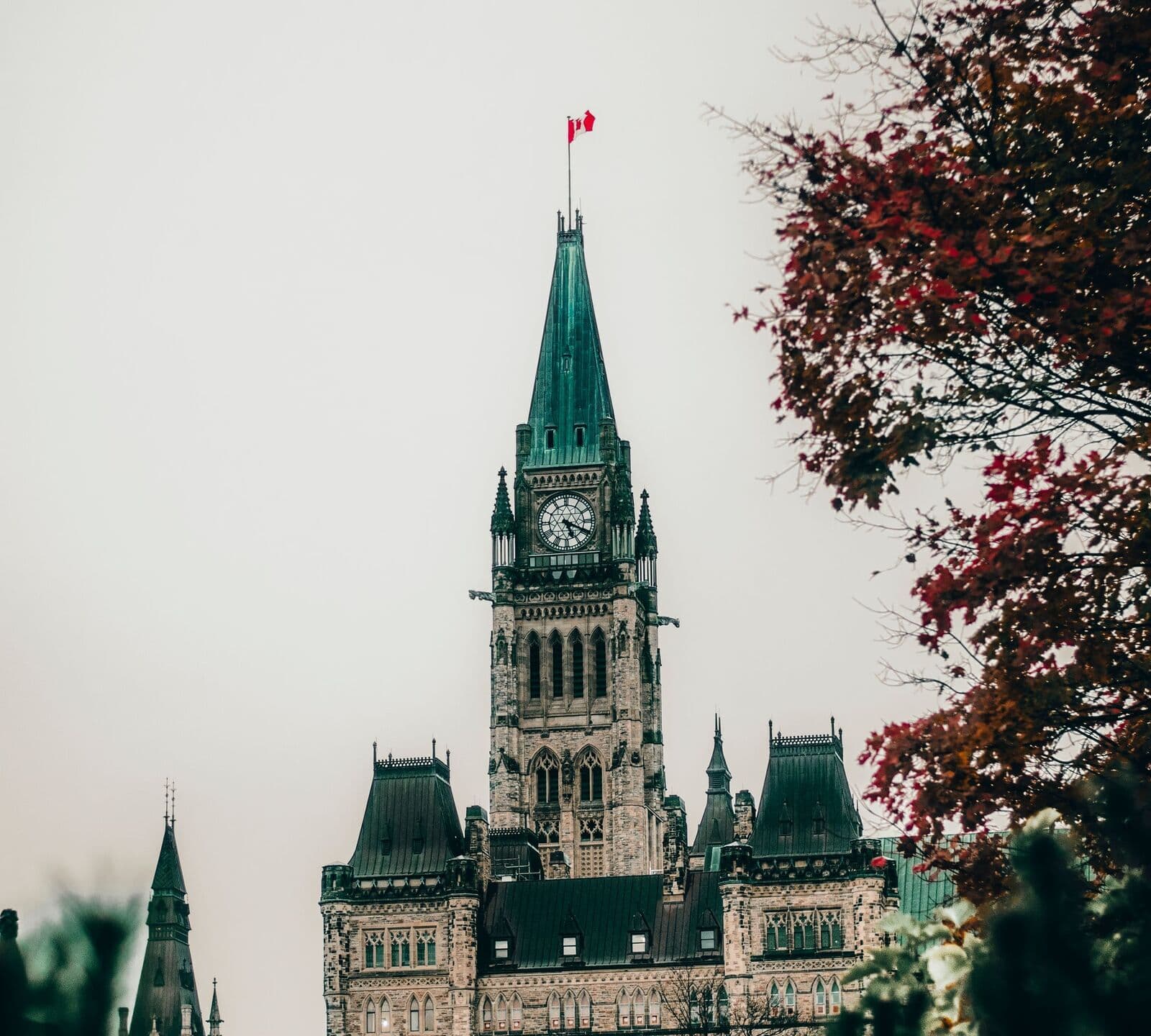
Protected A, B and C data handling decides where the work can run and who can touch it.
Protected A, B and C. Each level changes where the data can physically live, who can reach it, and what you have to prove about both. Most files turn on Protected B, and most disagreements turn on what counts as reaching it.
What do you need from Cisco Support?
Tell us who you are and what you're working on. A senior engineer reads your message before replying, so the first answer is a real read on scope, risk and timing, within an hour, 24/7. Nothing here is a commitment, and we'll tell you plainly if we're not the right fit.
Your request
- Service
- Cisco Support
What happens next
- A senior engineer replies within an hour, 24/7, never an SDR.
- We book a 30-minute call to listen, sketch options, and flag risks.
- You get a scoped statement of work within 3 business days.
Call the 24/7 line
+1 514-465-1584Cisco support in Canada, made real.
I run this practice, so this is written by the engineer who'll read your contract export, not a product page. Product-level depth, identity policy and data centre fabric, has its own pages under vendor support. This one is coverage, escalation and licensing.
A contract entitles you to Cisco. It doesn't fix your network.
Two things get sold as one. A Cisco SmartNet contract (Smart Net Total Care, to give it its current name) buys software updates, hardware replacement at a stated level, and a competent engineer working on Cisco's product. It does not get your network working again. So start with what you hold, because almost nobody knows. Contracts attach to serial numbers, estates grow by replacement and RMA, and the list drifts until the day you need it. We reconcile every serial against a contract, a service level and an end-of-support date, and the reconciliation usually finds three categories: devices covered at a level nobody chose, devices covered twice, and the production device covered by nothing at all. That last one is always the one that fails.
Read the service level honestly, because Cisco does.
Cisco's datasheets are careful about this and resellers rarely are: the levels describe coverage windows and replacement objectives, and delivery still depends on product eligibility, cutoff times, parts availability and where the kit is installed (source: Cisco, Smart Net Total Care datasheets). The risk sits in two places. Buying a four-hour level for a site the logistics can't reach in four hours. And assuming a case number is a resolution, when Cisco TAC support gets you a competent engineer working on Cisco's product rather than on your design. 8x5xNBD is the level most contracts quietly default to, and it's the one that fails you at six in the evening.
In Canada the constraint is geography, not regulation.
A four-hour objective behaves differently in downtown Toronto than in Sudbury or Prince George, and the honest answer for remote sites is often a cold spare on the shelf rather than a higher contract tier. Your reseller's own standing changed too: Cisco replaced its partner programme on 2026-01-26 with the Cisco 360 Partner Program, with three designations (Registered, Portfolio and Preferred), so Gold, Premier or Select language on an older quote no longer means what it did (source: Cisco, 2026). We take no margin on Cisco licences or hardware, so the sizing advice has nothing riding on it.
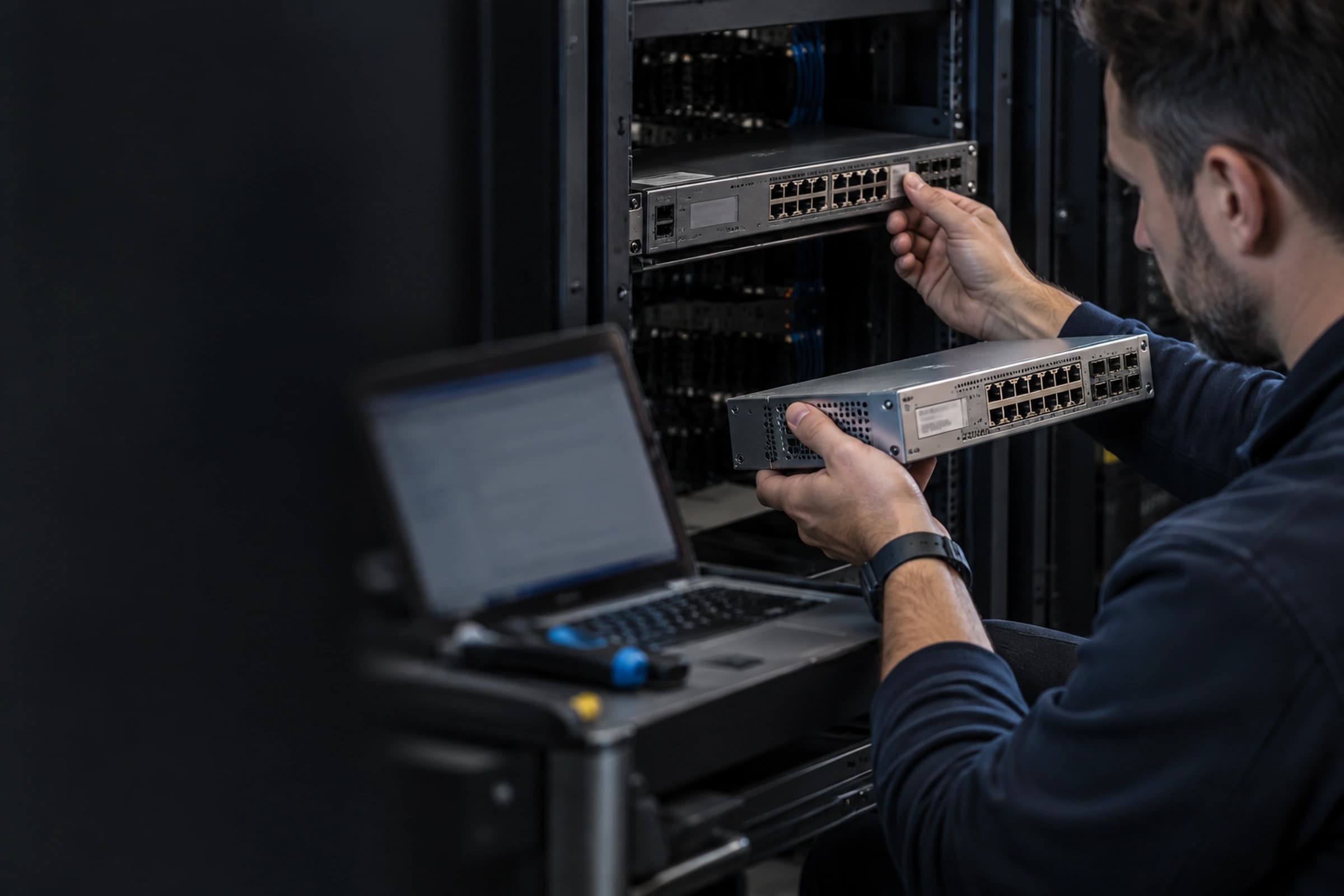
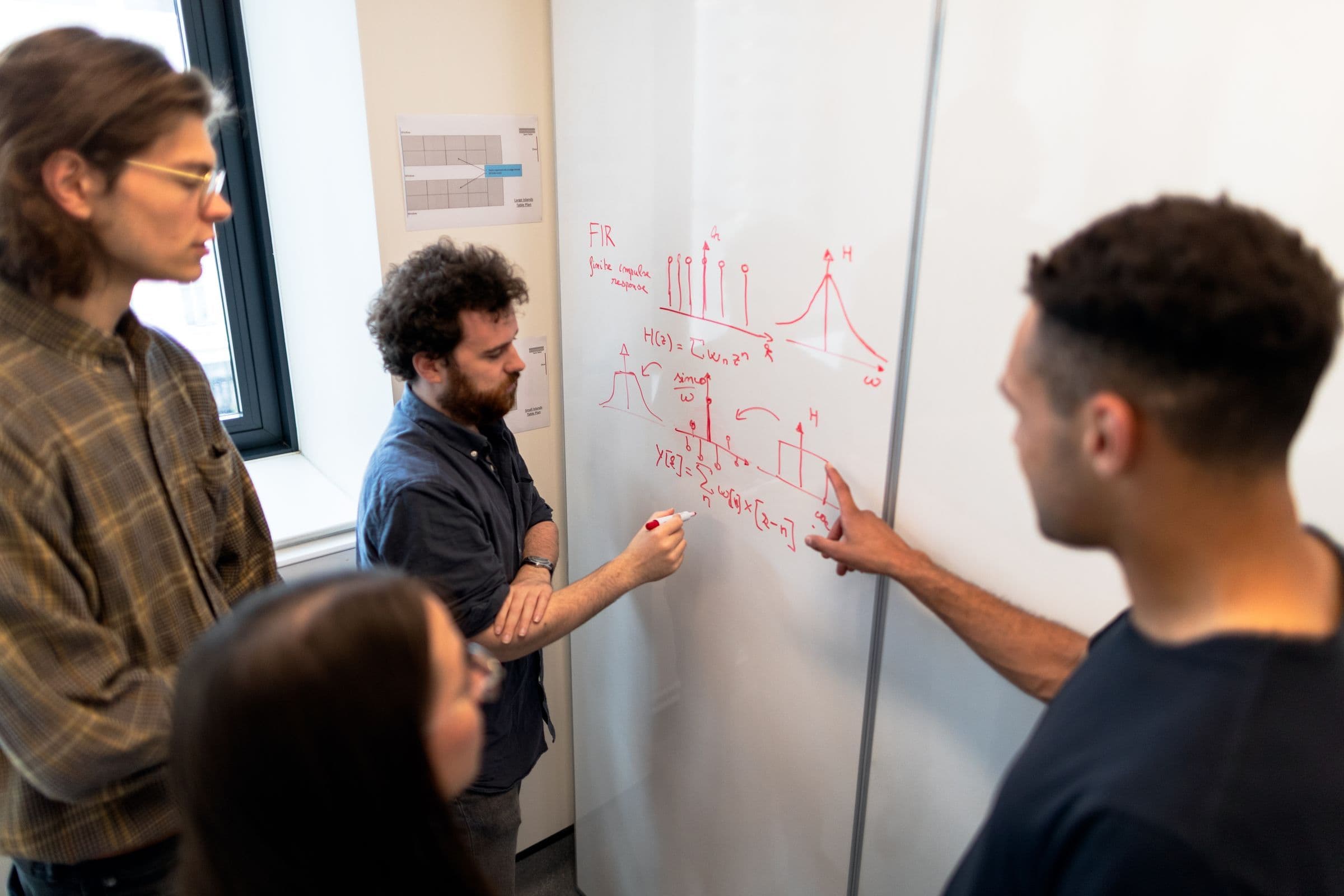
Want a Senior IT Consultant's Read on Your Setup?
Tell us what you run today and what keeps breaking. A senior SMEnode engineer replies within an hour with a first read on scope, risk and timing. No sales handoff.
Request a consultHow our Cisco TAC escalation and Smart Licensing work runs.
Four steps, and step 01 pays for itself more often than the rest of the engagement. We take an inventory and a contract export and reconcile them, and the finding is rarely what anybody expected. Some estates are overpaying on decommissioned kit. Some have a core switch out of support. Most have both at once, which is what happens when renewals get processed rather than reviewed.
Engagement phases
Phases 01 to 04
Reconcile serials to contracts
Every device matched to its coverage, service level and end-of-support date, with the gaps and the duplicates both listed. You get the list whether or not you go further with us.
Right-size the levels
Coverage matched to what each site can actually receive, and cold spares proposed where logistics beat a contract tier. Canadian depot distance decides more of this than the tier name does.
Wire up escalation
Who opens the case, what diagnostics go in it, and which of our engineers is reading your topology while it runs. The contract and the relationship stay yours throughout.
Watch the dates
End-of-support and renewal dates tracked a year out, with Cisco maintenance renewals and Smart Licensing entitlements reconciled against what's deployed before a quote is built from somebody else's records.
Cisco support questions, answered straight.
Answers first, including the one where we tell you to keep buying it direct. An architect takes the call, not a salesperson.
Where this work connects.
These disciplines share the same senior team and tend to land together. Follow the thread to the next one.
- SupportPalo Alto SupportCanadian Palo Alto firewall support from a CCIE-led team, including the renewal nobody forecasts.
- SupportF5 BIG-IP SupportF5 BIG-IP support for Canadian estates, from the upgrade you deferred to the exposure you inherited.
- SupportCisco ISECanadian Cisco ISE deployment and support: version and patch state first, then policy, posture and guest access.