Palo Alto firewall support, including what it costs to keep
Trusted by






Palo Alto firewall support, three pillars, one operator.
Palo Alto support works when one Canadian team prices the licences, plans the upgrades, and keeps the policy honest.
The licence stack, priced
Every subscription, credit pool and renewal date mapped against what the estate actually uses. The standard Threat Prevention licence is end-of-sale, so new purchases land on Advanced Threat Prevention by default (Palo Alto Networks documentation, updated 2026-03-13). We show you what drives the recurring line before anyone signs.
PAN-OS you can upgrade
Version, support window and advisory exposure tracked per device, before an upgrade becomes urgent. Current PAN-OS releases carry 48 months of support, and the last twelve bring content updates and critical fixes without bug fixes or maintenance releases (Palo Alto Networks End-of-Life Policy, read 2026-09-03).
Policy that stays honest
Panorama device groups and template stacks flattened, duplicate objects consolidated centrally, and every change staged rather than pushed. A rule set nobody prunes ends up permitting things nobody decided to permit.
Does Palo Alto Support work the same way in every industry?
No. The Palo Alto Support work is the same craft in every sector, but the conditions around it are not. In manufacturing that means production lines that can't stop for a patch window; in energy and mining, SCADA networks and remote sites that can't go offline; and in healthcare, provincial health privacy law. We keep the service and change the part that bends.
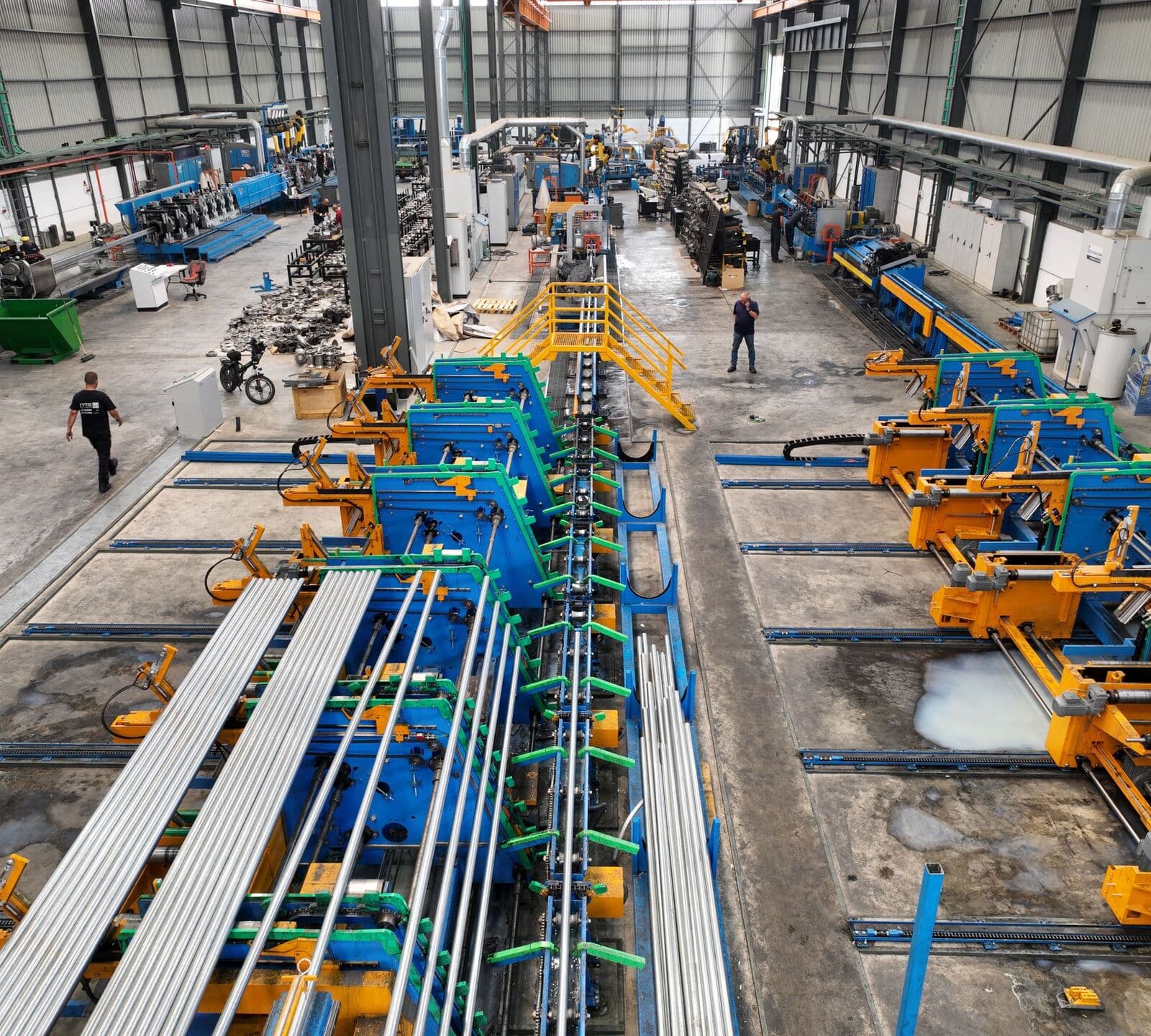
A production line can't stop for a patch window, so changes have to fit the schedule.
OT and IT convergence. A flat network between plant and office is the common failure, and segmentation is the fix. It's a design problem, not a purchase.

SCADA networks and remote sites can't go offline, so changes are planned around them.
SCADA and ICS. Availability outranks confidentiality here, and you often can't take a system offline to investigate what happened on it.

Health information sits under provincial privacy law, and your IT provider is usually the custodian's agent.
PHIPA. Ontario's health privacy act, with its own definition of a custodian and its own duties for the agents acting on a custodian's behalf. Your IT provider is usually an agent.

Solicitor-client privilege decides how a firm can handle its data.
Law Society obligations. Confidentiality and competence duties reach the technology you practise with, and the vendors who touch client information. The firm is expected to have assessed the provider, which means the provider should arrive with the answers.
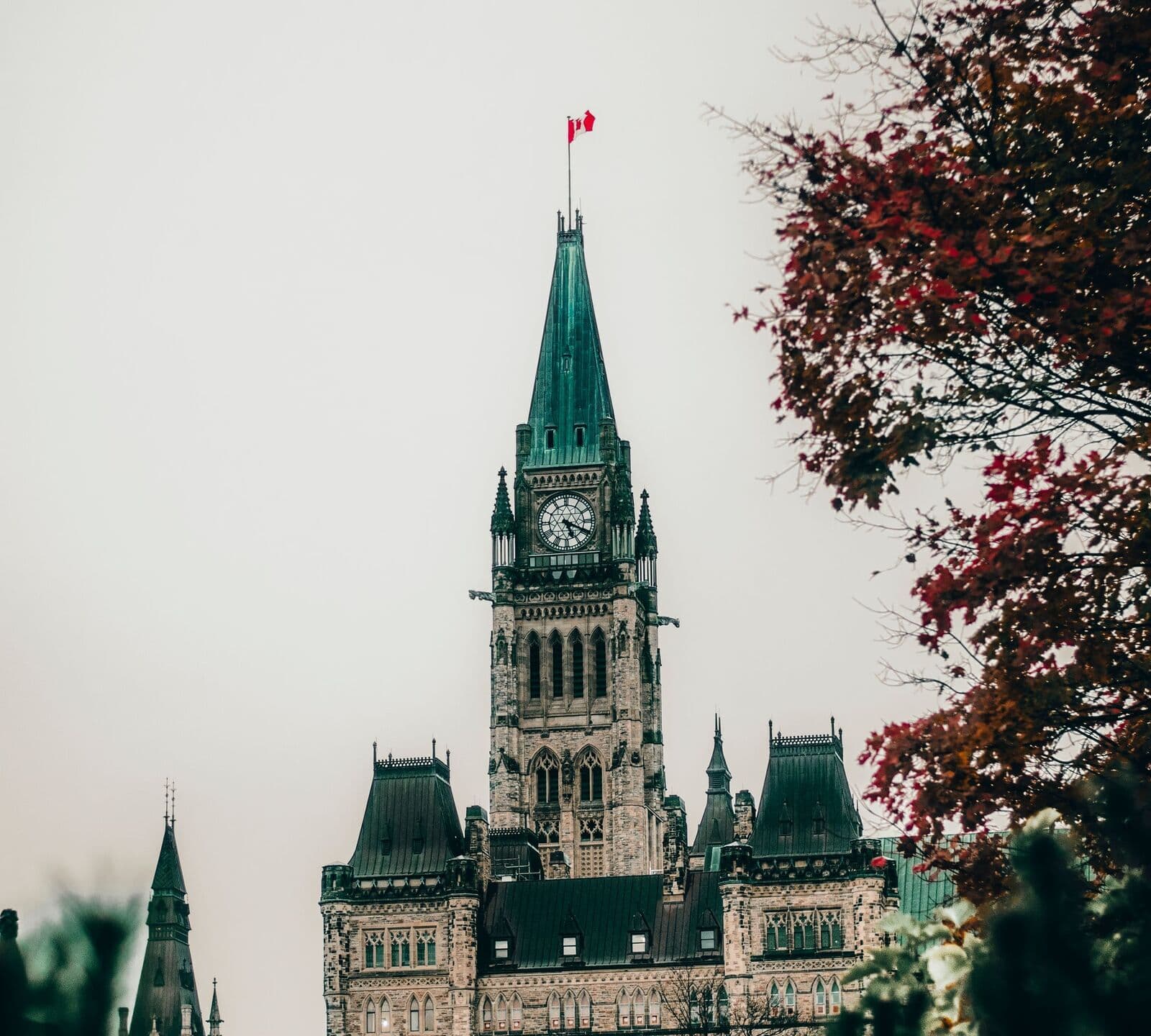
Protected A, B and C data handling decides where the work can run and who can touch it.
Protected A, B and C. Each level changes where the data can physically live, who can reach it, and what you have to prove about both. Most files turn on Protected B, and most disagreements turn on what counts as reaching it.
What do you need from Palo Alto Support?
Tell us who you are and what you're working on. A senior engineer reads your message before replying, so the first answer is a real read on scope, risk and timing, within an hour, 24/7. Nothing here is a commitment, and we'll tell you plainly if we're not the right fit.
Your request
- Service
- Palo Alto Support
What happens next
- A senior engineer replies within an hour, 24/7, never an SDR.
- We book a 30-minute call to listen, sketch options, and flag risks.
- You get a scoped statement of work within 3 business days.
Call the 24/7 line
+1 514-465-1584Palo Alto firewall support in Canada, made real.
The box is the cheap half. What surprises people is the second invoice, and the one after that.
Price the whole stack before you price the appliance.
Each subscription renews on its own clock, the standard Threat Prevention licence is end-of-sale so new buyers land on Advanced Threat Prevention by default (Palo Alto Networks documentation, updated 2026-03-13), and software firewalls run on credit pools that expire on a contract date rather than when you use them up. We won't quote you a saving, because we haven't measured yours. What we can name is what drives the number: how many firewalls and of what type, vCPUs per firewall, which subscriptions are attached to each, and whether Panorama and support come out of the same pool. Every estate we review has at least one of three problems: credits held against something decommissioned, a subscription nobody chose, or a renewal quote built from the vendor's records instead of yours.
The version is a deadline, and the policy is the failure that matters.
Treat the PAN-OS version as a deadline, because it is one. The risk sits in two places. Running a release deep into its extended window, where you still get content updates and critical fixes but no bug fixes and no maintenance releases, so a non-critical defect has no path to resolution (Palo Alto Networks End-of-Life Policy, read 2026-09-03). And letting policy grow without review, which is the failure that actually costs you. This platform rewards discipline and punishes neglect harder than a simpler one, because a rule set nobody prunes ends up broader than anyone intended. Panorama makes that better or worse depending on whether the device group hierarchy still matches how the business is organised, which is why we read the hierarchy before we read the rules.
In Canada this is procurement, not regulation.
No rule here forces a firewall choice, so this is a cost and operations decision rather than a compliance one. What matters locally is that renewals arrive in your fiscal year rather than the vendor's, which for most Canadian organisations means a March or December year end, that hardware replacement can physically reach your remote sites, and that whoever advises you can say plainly when a different platform would serve you better. A Palo Alto migration, off an ageing pair or across from another vendor, is a design engagement with its own scope, not something we fold quietly into a support renewal. Prisma Access sits on the other side of the same line: it's the cloud-delivered access side, licensed and operated differently from the firewalls in your racks, and the common mistake is buying overlapping capability twice because the two conversations happened with different people.

Want a Senior IT Consultant's Read on Your Setup?
Tell us what you run today and what keeps breaking. A senior SMEnode engineer replies within an hour with a first read on scope, risk and timing. No sales handoff.
Request a consultHow our PAN-OS and Panorama work runs.
Four steps, and step one has changed a budget more often than it has changed a platform. We reconcile the licence stack against the estate before recommending anything, because a renewal is the one conversation where the vendor holds better records than the customer does. Sometimes the finding is a migration. More often it's the same platform, a smaller order, and a date in the calendar.
Engagement phases
Phases 01 to 04
Reconcile the stack
Subscriptions, credit pools, appliances and renewal dates matched against what's deployed and running, with the orphans named. You get a list you can hand to procurement, not an opinion.
Map the version exposure
Current PAN-OS release per device, where each one sits in its support window, and which published advisories actually apply to your configuration rather than to the product in general.
Tidy the Panorama hierarchy
Device groups and template stacks simplified, duplicate objects consolidated centrally, and inherited rules traced back to the level that actually owns them.
Stage the changes
Upgrades and policy changes tested, staged and reversible, in a window that suits your business rather than ours. Nothing reaches a production pair without a way back.
Palo Alto firewall questions, answered straight.
Answers first, including the one where we say a different platform suits you. An architect takes the call.
Where this work connects.
These disciplines share the same senior team and tend to land together. Follow the thread to the next one.
- SupportF5 BIG-IP SupportF5 BIG-IP support for Canadian estates, from the upgrade you deferred to the exposure you inherited.
- SupportCisco ISECanadian Cisco ISE deployment and support: version and patch state first, then policy, posture and guest access.
- SupportCisco ACICisco ACI support and migration for Canadian data centres, from a team that holds the CCIE.