Backup and disaster recovery in Canada, tested not promised
Trusted by







Disaster recovery services, three pillars, one operator.
One Canadian team owns the copies, the recovery plan, and the proof. That means immutable backup, disaster recovery as a service, and the restore drills that show the plan holds.
Backup and immutable copies
Veeam backup written to storage a ransomware operator can't delete, held on the 3-2-1-1-0 rule: three copies, two media, one offsite, one immutable, zero errors on the verified restore.
Disaster recovery as a service
DRaaS with failover to Canadian infrastructure, sized to the recovery time objective and recovery point objective you agree with us per system, not to a target we picked on your behalf.
Tested restores
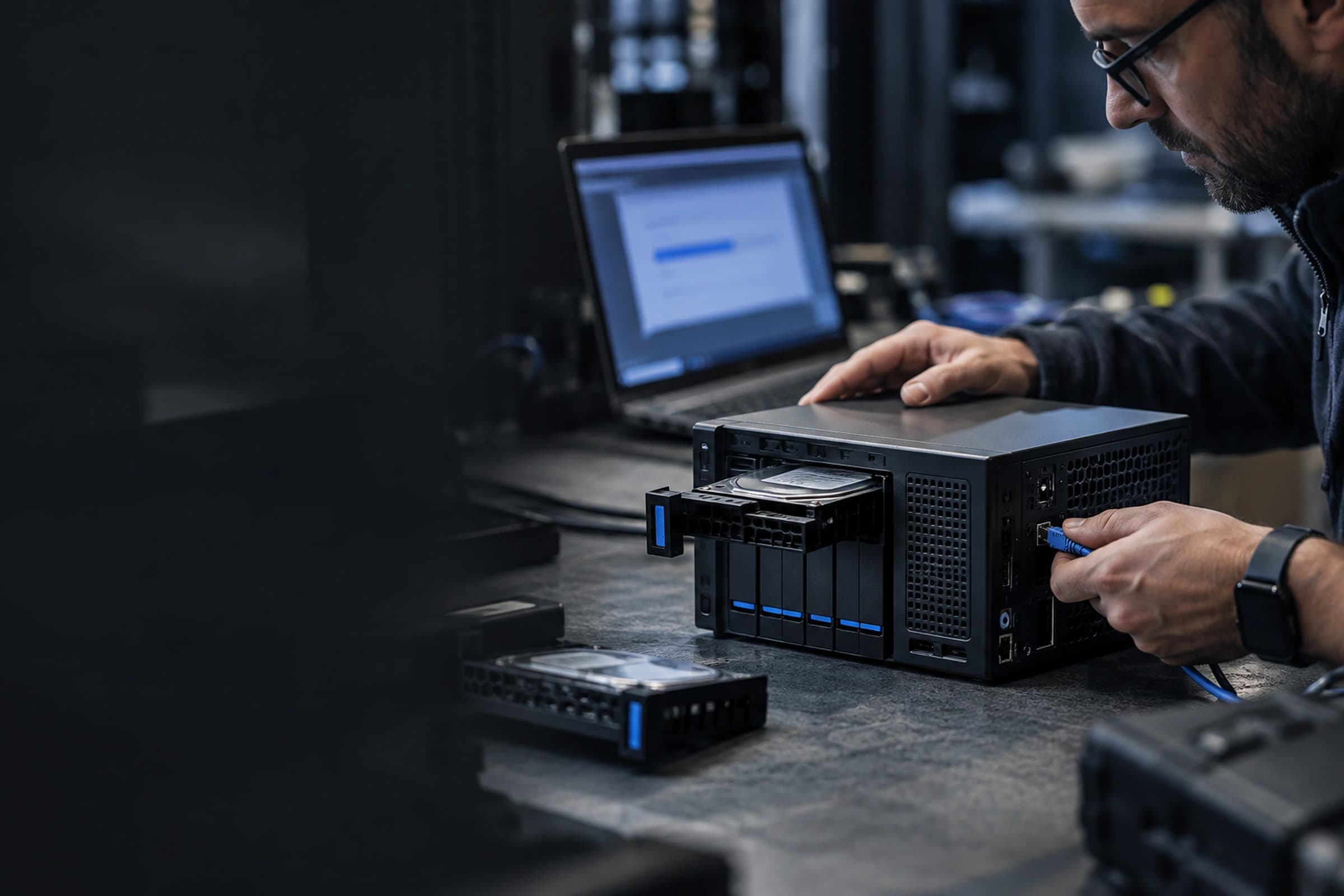
Canadian CCIE Security engineers run live restore drills on a contracted schedule and hand you the written result, including what missed and what we changed because of it.
Does Backup and Disaster Recovery work the same way in every industry?
No. The Backup and Disaster Recovery work is the same craft in every sector, but the conditions around it are not. In healthcare that means provincial health privacy law; in legal, Law Society duties and solicitor-client privilege; and in manufacturing, production lines that can't stop for a patch window. We keep the service and change the part that bends.

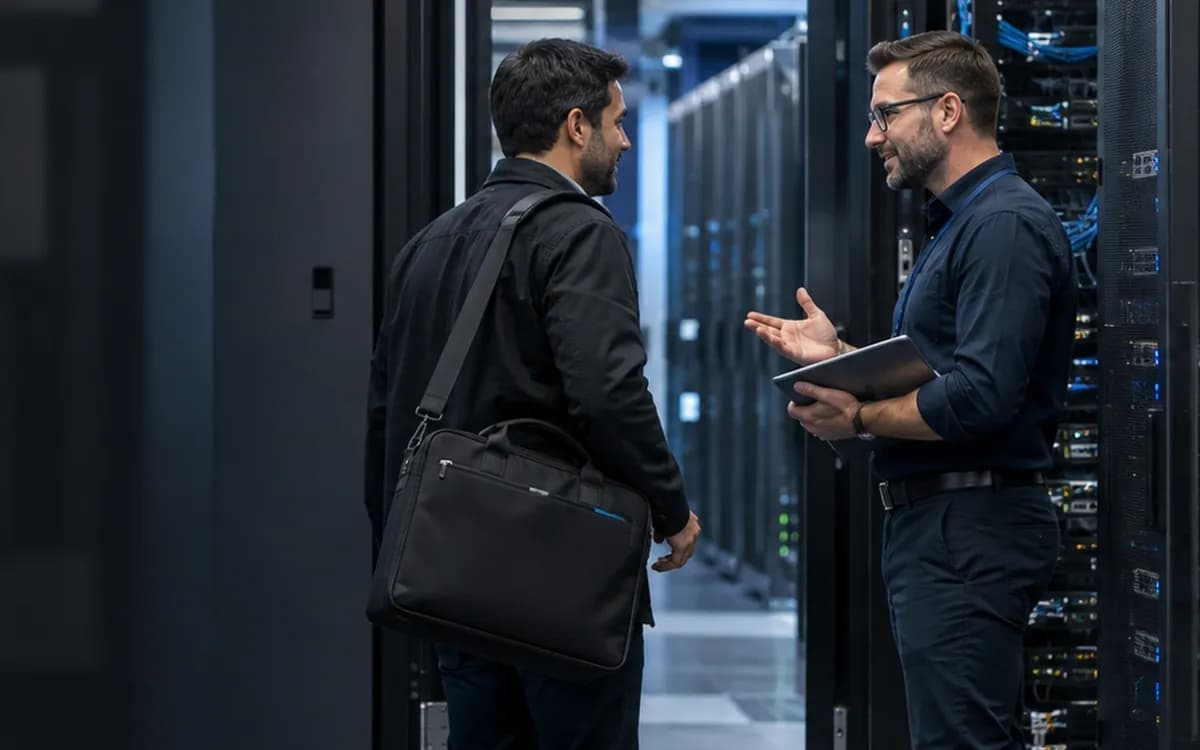
A clinician who can't reach a record is a patient safety issue.
PHIPA. Ontario's health privacy act, with its own definition of a custodian and its own duties for the agents acting on a custodian's behalf. Your IT provider is usually an agent.

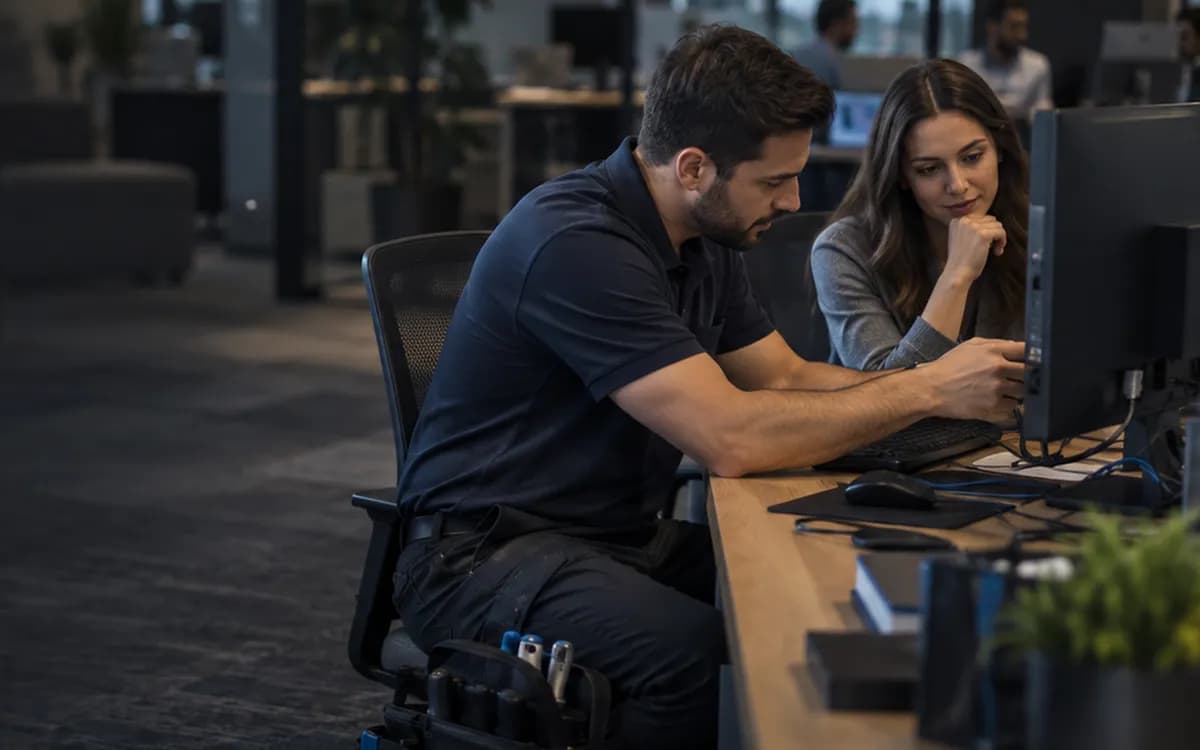
Matter files carry retention obligations that outlive the client relationship.
Law Society obligations. Confidentiality and competence duties reach the technology you practise with, and the vendors who touch client information. The firm is expected to have assessed the provider, which means the provider should arrive with the answers.
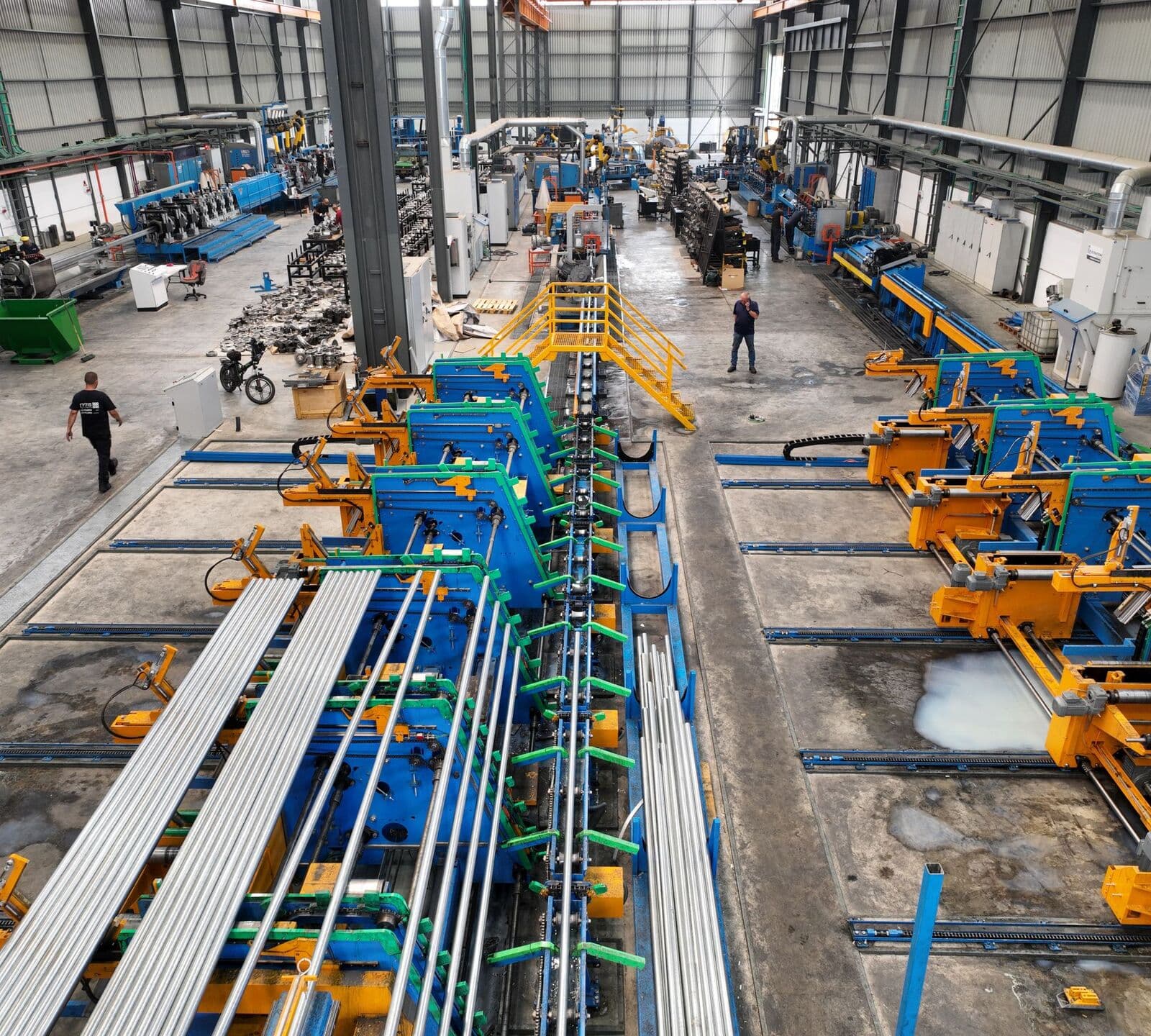
A production line stopped is revenue per minute, not per day.
OT and IT convergence. A flat network between plant and office is the common failure, and segmentation is the fix. It's a design problem, not a purchase.
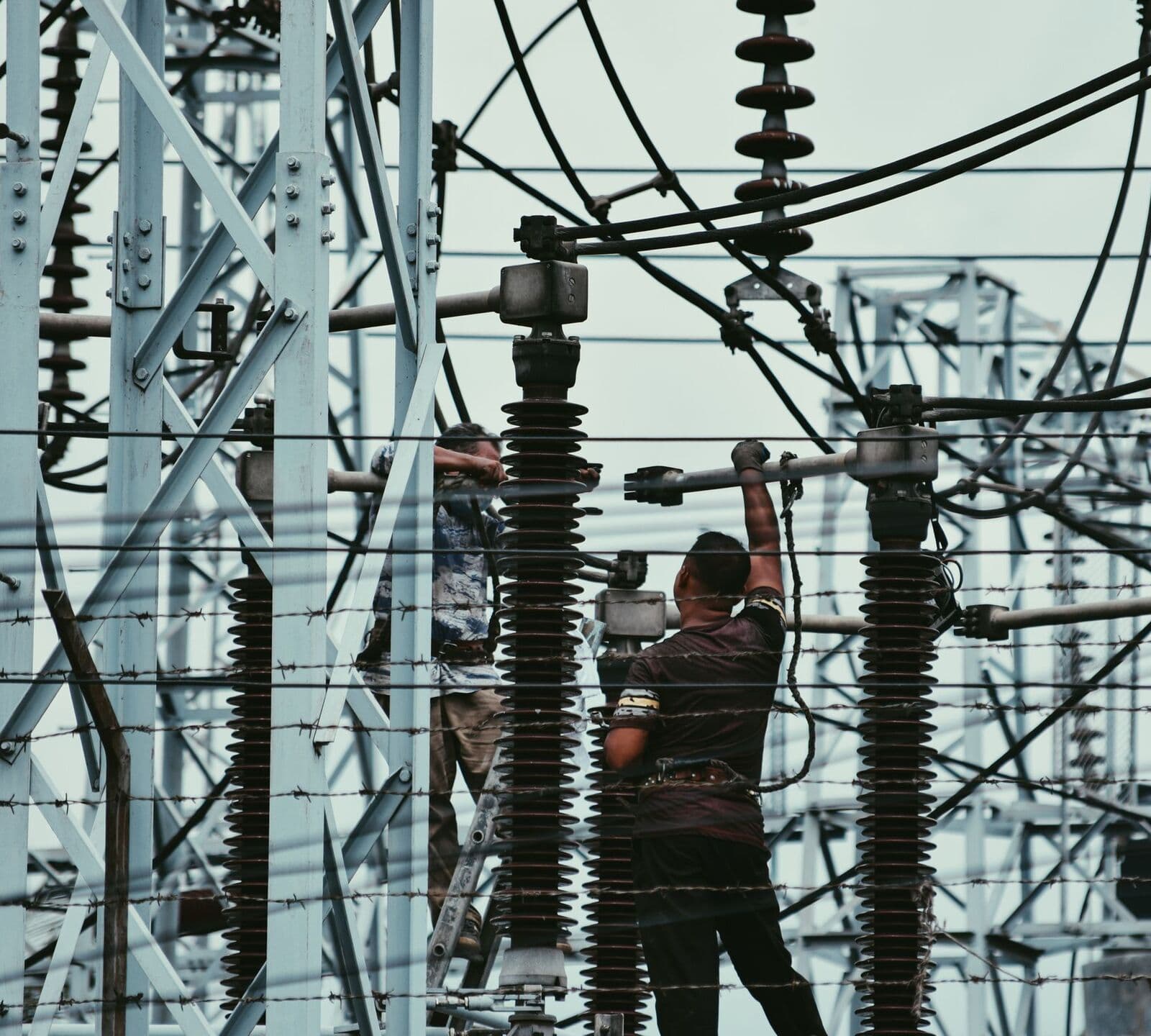
Remote sites have no local IT to restore from a shelf.
SCADA and ICS. Availability outranks confidentiality here, and you often can't take a system offline to investigate what happened on it.
What do you need from Backup and Disaster Recovery?
Tell us who you are and what you're working on. A senior engineer reads your message before replying, so the first answer is a real read on scope, risk and timing, within an hour, 24/7. Nothing here is a commitment, and we'll tell you plainly if we're not the right fit.
Your request
- Service
- Backup and Disaster Recovery
What happens next
- A senior engineer replies within an hour, 24/7, never an SDR.
- We book a 30-minute call to listen, sketch options, and flag risks.
- You get a scoped statement of work within 3 business days.
Call the 24/7 line
+1 514-465-1584Backup and disaster recovery in Canada, made real.
I run this practice, so this is written by the engineer who'll be on the call at 3am, not a product page.
Backup and disaster recovery are two different jobs.
Backup is the copy of your data. Disaster recovery is the plan and the infrastructure that gets the business running again, including the applications, the network, and the people who need to log in. Backup answers whether you can get the file back. Disaster recovery answers how long until you're trading again. Cloud backup services do the first job well and the second one not at all, because a copy still needs somewhere to land. You need both, and the second is where most Canadian firms find out their plan was a document nobody had rehearsed.
We start from your targets, then build backwards.
Here's how we work. We start from the recovery time objective and the recovery point objective, because those two decide everything else. Recovery time objective is how long you can be down. Recovery point objective is how much data you can afford to lose. Set them per system, not per company, since your finance database and your file share don't deserve the same money. Then we design backwards from what you agreed, and we test restores on a schedule rather than assuming a job that reported success produced a usable copy.
What a Canadian outage costs, and why immutability decides it.
Canadian organisations paid an average of $7.11M per data breach in 2026, a record high, and the average breach took 205 days to detect and contain (source: IBM Cost of a Data Breach Report, via IBM Canada, 2026-07-29). Ransomware recovery is the scenario immutable backup exists for. An attacker who reaches your backups turns a recoverable incident into an existential one, which is why the copy belongs on storage nobody can alter or delete inside its retention period, including an administrator holding stolen credentials.
Want a Senior IT Consultant's Read on Your Setup?
Tell us what you run today and what keeps breaking. A senior SMEnode engineer replies within an hour with a first read on scope, risk and timing. No sales handoff.
Request a consultHow a backup and disaster recovery project runs.
We sequence the work so the plan is proven before you need it. Week one is a business conversation, not a storage sizing exercise. We work out which systems the company genuinely can't trade without, what an hour of downtime costs each one, and what your current setup would really do in a crisis. From there we design to the targets you agreed and prove it. Every SMEnode engagement runs this way, across Canada.
Engagement phases
Phases 01 to 04
Classify and set targets
We list every workload and agree a recovery time objective and a recovery point objective for each with the people who own the process, not just IT. Out of it comes a tiered protection plan and an honest gap report against what you run today. Most of the value is in this step.
Build the copies
We deploy backup with immutable storage and offsite copies, following 3-2-1-1-0: three copies, two media, one offsite, one immutable, zero errors on the verified restore.
Build the recovery path
Cloud backup services and DRaaS failover get stood up and documented, with runbooks naming who does what and in which order. A recovery plan that lives in one person's head isn't a plan.
Test and prove
We run live restore drills on the agreed cadence, measure the real recovery against the target you set, and give you a written result. When a drill misses, we fix the design rather than quietly adjusting the target.
Backup and disaster recovery questions, answered straight.
These are the questions owners and IT managers actually ask us, usually after a near miss. Answers are from the engineer who runs the recoveries.
Where this work connects.
These disciplines share the same senior team and tend to land together. Follow the thread to the next one.
- ManagedIT Outsourcing ServicesIT outsourcing services in Canada: service desk, network, cloud, backups and projects, with PIPEDA and Law 25 terms written into the contract.
- SupportIT Support ServicesIT support services across Canada where the first person you reach can actually fix it.
- EndpointEndpoint ManagementEndpoint management in Canada that covers every laptop, phone, and server your Canadian team touches.