Network Support Services and Infrastructure in Canada
Trusted by







Which of these is costing you right now?
Four of the reasons Canadian mid-market teams call us. If one of these is yours, the page below says which piece of work fixes it.
Your MPLS renewal came back at double the price
The carrier isn't wrong, the architecture is. Most of that circuit cost is paying for a topology designed before your applications moved to the cloud.
The hardware is past end of support and everyone knows
End of support isn't a deadline, it's a negotiating position, and it's not yours. Every quarter you wait, the refresh is quoted higher and the window gets shorter.
One application falls over and takes three with it
Nothing was designed to fail independently, so the blast radius is the whole estate. That's a load balancing and segmentation problem wearing an application costume.
The person who understood the network has left
There's no diagram, no configuration backup you trust, and no one who can say why that VLAN exists. Every change is now a gamble.
Pick the piece you need, or the whole estate.
Every one of our network support services, with what it covers and who it's for.
- Virtualization ServicesCanadian virtualization services from a CCIE Data Center team that runs VMware and its alternatives.
- Hyperconverged InfrastructureHyperconverged infrastructure for Canadian data centres, designed around what the licensing actually costs per core.


What network support services actually cover.
Network support services split across three layers, and one team has built all of them. Take a layer, or have us tell you which one is your constraint.
Network and edge
How your sites reach each other and the internet, and what the topology costs. Enterprise networking services here means SD-WAN design, routing, segmentation, and the monitoring that tells you before a user does. This layer holds the MPLS bill, and it's usually the fastest saving here.
Data centre and compute
The racks, the hypervisor, and whether you still need either. Data centre design and migration, VMware and the virtualization layer, and hyperconverged stacks for teams tired of managing three vendors. IT infrastructure services get bought on a refresh deadline, which is the worst possible time to think about it.
Application delivery
Whether an application stays up when something behind it doesn't. F5, load balancing, health checks, failover that has actually been tested, and certificates that don't expire on a Friday. Most corporate network support stops at the switch, which is where this layer starts.
Does Network Support Services and Infrastructure work the same way in every industry?
No. The Network Support Services and Infrastructure work is the same craft in every sector, but the conditions around it are not. In manufacturing that means production lines that can't stop for a patch window; in energy and mining, SCADA networks and remote sites that can't go offline; and in healthcare, provincial health privacy law. We keep the service and change the part that bends.
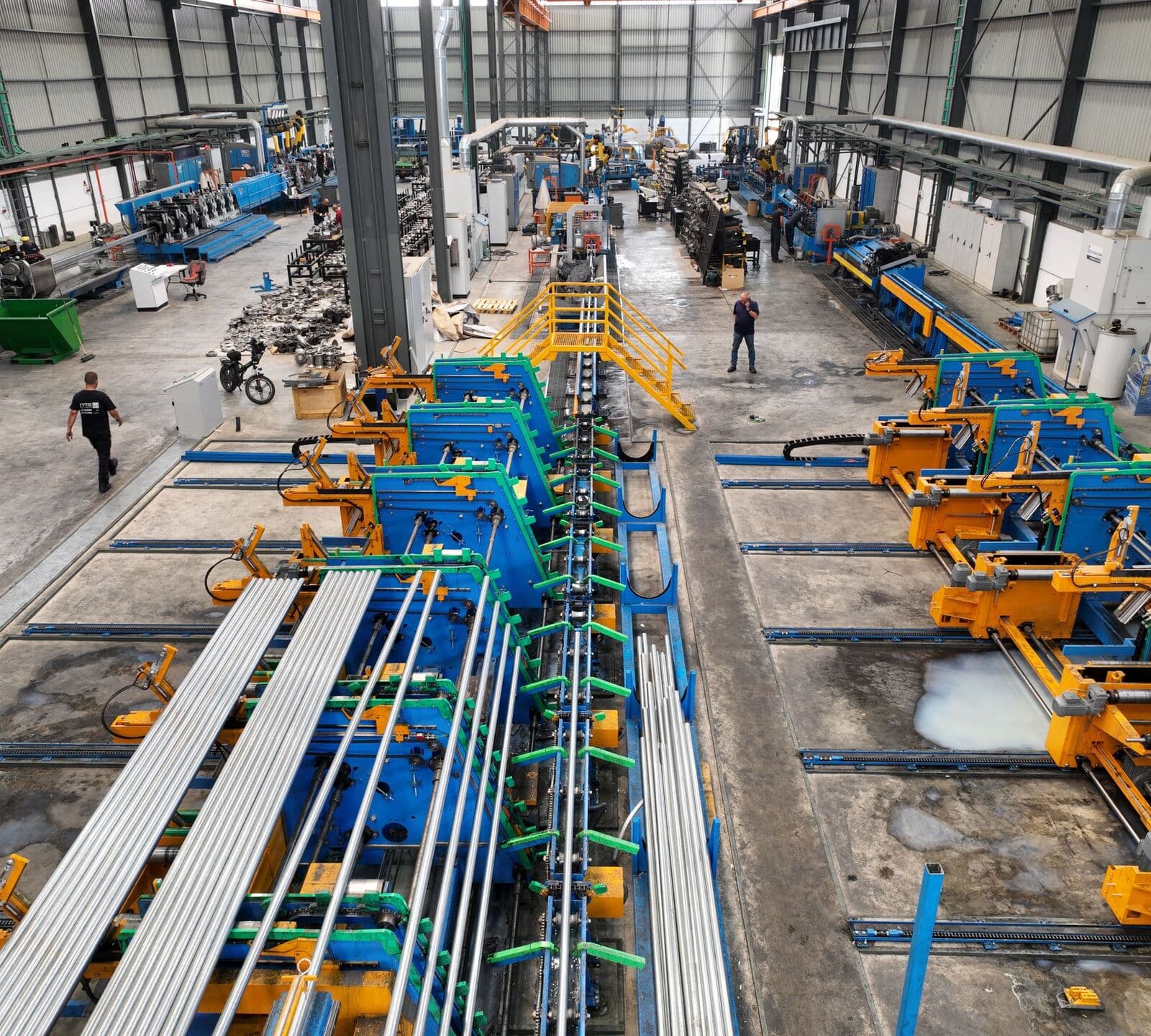
A production line can't stop for a patch window, so changes have to fit the schedule.
OT and IT convergence. A flat network between plant and office is the common failure, and segmentation is the fix. It's a design problem, not a purchase.
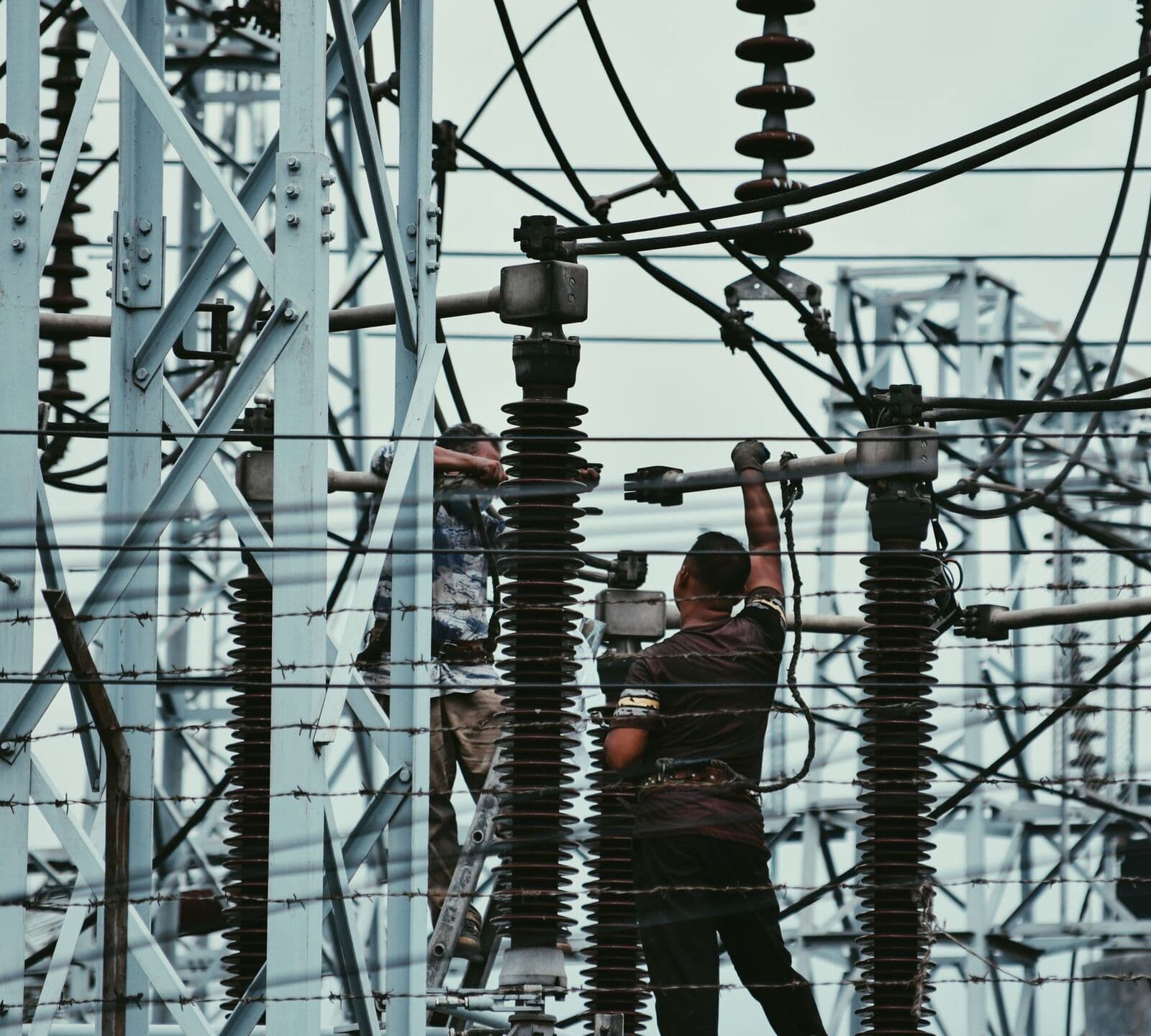
SCADA networks and remote sites can't go offline, so changes are planned around them.
SCADA and ICS. Availability outranks confidentiality here, and you often can't take a system offline to investigate what happened on it.

Health information sits under provincial privacy law, and your IT provider is usually the custodian's agent.
PHIPA. Ontario's health privacy act, with its own definition of a custodian and its own duties for the agents acting on a custodian's behalf. Your IT provider is usually an agent.

Solicitor-client privilege decides how a firm can handle its data.
Law Society obligations. Confidentiality and competence duties reach the technology you practise with, and the vendors who touch client information. The firm is expected to have assessed the provider, which means the provider should arrive with the answers.

Protected A, B and C data handling decides where the work can run and who can touch it.
Protected A, B and C. Each level changes where the data can physically live, who can reach it, and what you have to prove about both. Most files turn on Protected B, and most disagreements turn on what counts as reaching it.
By the numbers
Years of experience
Enterprise deployments
Senior engineers
Support

Want a Senior IT Consultant's Read on Your Setup?
Tell us what you run today and what keeps breaking. A senior SMEnode engineer replies within an hour with a first read on scope, risk and timing. No sales handoff.
Request a consultHow a network support services engagement runs.
Four stages. The first produces a diagram that's actually true, and for some clients that's the whole engagement.

Engagement phases
Phases 01 to 04
Draw what's actually there
We walk the estate, read the running configurations, and produce a diagram that matches reality rather than the last one somebody drew. Most clients have never had one that was true.
Say what the constraint is
Bandwidth, latency, the hypervisor, or the load balancer, and it's rarely the one people assume. We name it, cost the fix, and say what happens if you do nothing.
Build it, with a rollback
A CCIE does the design and the cutover, out of hours, with a tested way back. Nothing goes live until the rollback has been rehearsed on your equipment.
Hand over the documentation
You get the diagrams, the configurations, and the runbook, in a format your own team can maintain. A network only we understand is a dependency, not a service.
It's never the bandwidth
Where Canadian network infrastructure projects actually break.
I run this practice, so I'll be direct about the two failures I see most, because neither is a bandwidth problem and both are expensive to unwind.
The diagram that was true once
Somebody drew the network in 2019, a contractor added a VLAN in 2021, a firewall rule went in during an incident nobody documented, and now the diagram on the wall is fiction. It looks harmless until the change window, when a routing change takes down a system nobody knew depended on it. The fix is unglamorous and it comes first: walk the estate, read the running configuration rather than the documentation, and redraw it. The outages we get called about were usually designed in years earlier by somebody being helpful.
Buying the refresh instead of the design
The second failure is a purchase order. End of support arrives, a vendor quotes like-for-like replacement, and you buy the same architecture again in newer sheet metal. It works, and you've just funded five more years of a topology designed for applications you no longer run. Ask one question before you sign: what would we build if we started today? Sometimes the answer is the same box. Often it's hyperconverged, or half the footprint, or nothing on premises at all.

What do you need from Network Support Services and Infrastructure?
Tell us who you are and what you're working on. A senior engineer reads your message before replying, so the first answer is a real read on scope, risk and timing, within an hour, 24/7. Nothing here is a commitment, and we'll tell you plainly if we're not the right fit.
Your request
- Service
- Network Support Services and Infrastructure
What happens next
- A senior engineer replies within an hour, 24/7, never an SDR.
- We book a 30-minute call to listen, sketch options, and flag risks.
- You get a scoped statement of work within 3 business days.
Call the 24/7 line
+1 514-465-1584Network support services in Canada, answered plainly.
The six questions we get asked before every engagement.
Regulated sectors, and where to read next
These disciplines share the same senior team and tend to land together. Follow the thread to the next one.