Bill C-8 readiness in Canada before designation starts the 90 days
Trusted by








Critical Cyber Systems Protection Act readiness, built by engineers in Canada
We settle whether the Act can reach you, build the cyber security program early and rehearse the incident report.
Scope against Schedule 1
Six federally regulated sectors are named and Schedule 2 is still empty. Most organisations sit outside them, so we settle in writing whether the Act can reach you or only your customers.
The cyber security program
Built to the four outcomes in section 9: manage risk, protect critical cyber systems, detect incidents and limit their impact. Ninety days can document a program you already run, not build one.
Rehearsed incident reporting
The report to CSE, the notice to your regulator and the records kept in Canada. We write them once while nothing is burning, then run a tabletop so your first report isn't a first draft.
Which Canadian organisations should prepare for Bill C-8 now?
Operators of the vital services Schedule 1 lists: banks, telecom carriers, nuclear facilities, federally regulated transport, cross-border pipelines and power lines, and clearing and settlement systems. Their suppliers feel it first, because operators must reduce supplier risk once it's spotted. Managed service providers, software vendors and equipment makers serving them should expect questionnaires before any order names classes.
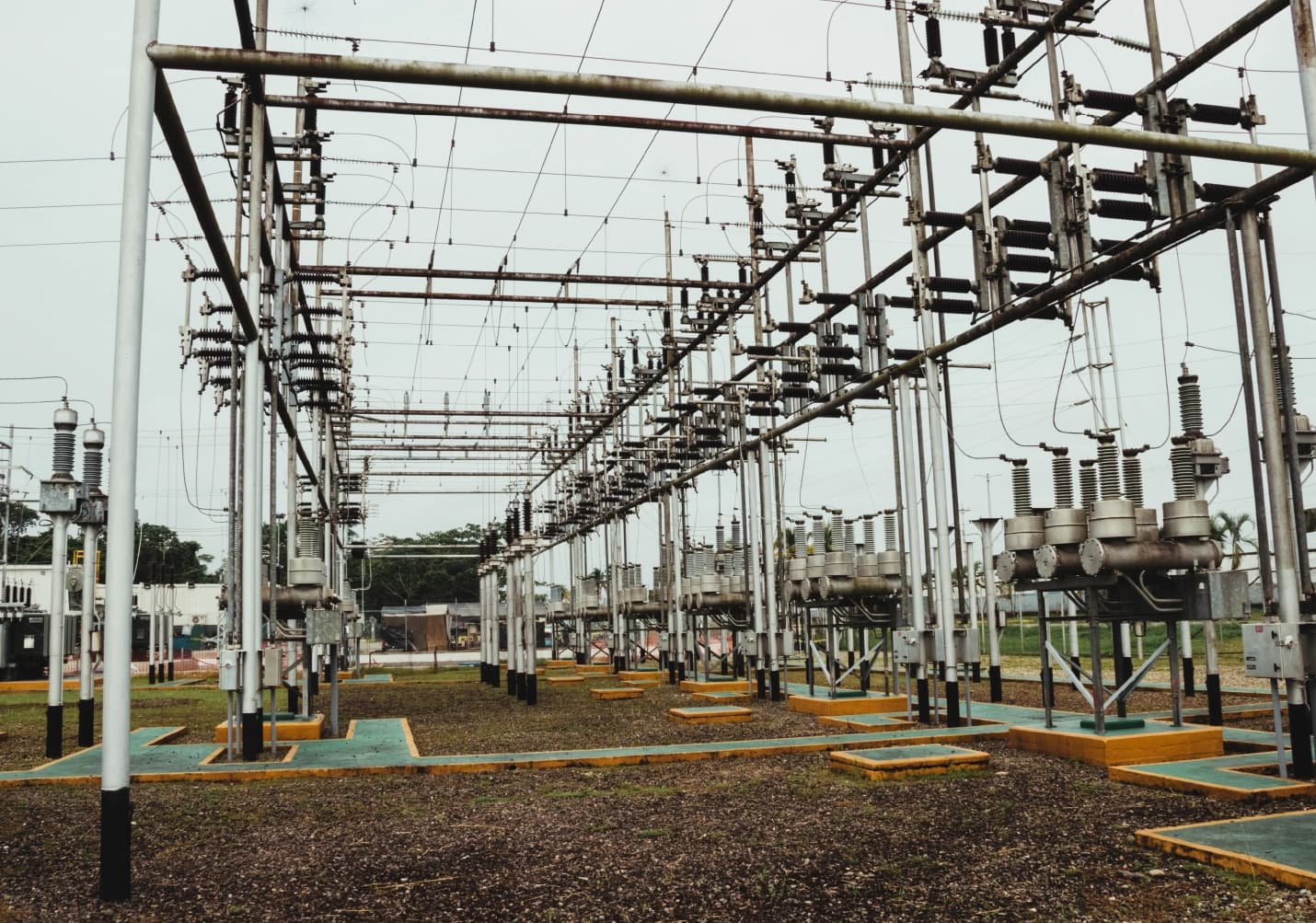
Where you'd stand when Part 2 is brought into force.
SCADA and ICS. Availability outranks confidentiality here, and you often can't take a system offline to investigate what happened on it.

Where you'd stand if Part 2 is brought into force.
Protected A, B and C. Each level changes where the data can physically live, who can reach it, and what you have to prove about both. Most files turn on Protected B, and most disagreements turn on what counts as reaching it.

Bill C-8 for operators or for their suppliers?
The two groups prepare for different things. A designated operator takes on duties directly: a program within 90 days, incident reports and records kept in Canada. A supplier has no duty under the Act itself, yet the operator's obligation to reduce supplier risk reaches it through contracts and questionnaires. Which group you're in decides the work, so we settle that first and put the answer in writing.
Designated operator
- Has 90 days to set up a cyber security program.
- Reports incidents to CSE inside a window capped at 72 hours.
- Keeps program and incident records in Canada.
- Needs its scope confirmed once a class is named.
Supplier to an operator
- Has no direct duty, but faces customer questions.
- Expects incident-notice clauses written into its contracts.
- Answers questionnaires about how shared systems are protected.
- Can prepare now, since questions arrive before any order.
Want the plain-language version first? Our Bill C-8 explainer covers who's covered, what's in force and the telecom changes in Part 1.
Who will you work with?
You work with the architect behind the design. Saeid Khanipour Ghobadi founded SMEnode and still designs the architecture clients buy. A CCIE Data Center with 15+ years across enterprise networking, data centre, cloud and applied AI, he scopes each engagement and stays on it through delivery. When you hire SMEnode, you're hiring the architect, not a sales deck.

Where have we done this kind of work?
These are engagements we've delivered for Canadian organisations, told the same way: what the client was up against, what we changed, how long it took and what moved. Clients are named only with their written permission. The rest are described by sector and size.

Wondering if Bill C-8 reaches you? Ask for a scope check
Tell us who you are and what you're working on. A senior engineer reads your message before replying, so the first answer is a real read on scope, risk and timing, within an hour, 24/7. Nothing here is a commitment, and we'll tell you plainly if we're not the right fit.
Your request
- Service
- Bill C-8 Readiness
What happens next
- A senior engineer replies within an hour, 24/7, never an SDR.
- We book a 30-minute call to listen, sketch options, and flag risks.
- You get a scoped statement of work within 3 business days.
Call the 24/7 line
+1 514-465-1584What does Bill C-8 require of operators in Canada today?
The CCSPA is enacted but dormant, so every duty below begins only after an order in council. Three points shape any plan.
Part 2 is law but dormant.
Royal assent came on 2026-06-15, as chapter 9 of the 2026 statutes. Part 1, the changes to the Telecommunications Act, is already operating. Part 2 enacts the CCSPA, and Justice Laws still flags it as not in force in the consolidation current to 2026-10-19. Two orders must come before anyone owes anything: one setting the in-force date, another amending Schedule 2 to name classes and regulators. Schedule 2 is empty, so nobody is a designated operator yet.
The program has four outcomes.
Section 9 asks the program to identify and manage risk, including supply chain and third parties, protect critical cyber systems, detect incidents and minimize their impact, following regulations still to be written. The 90 days start when an operator joins a named class, and the regulator may extend them on written request. Once running, the program is reviewed every year, with 60 days to finish each review.
Supply chain and records are separate duties.
Section 15 requires action on supply-chain risk once the program has spotted it, so the inventory comes first. Section 17 caps the report to CSE at 72 hours, and section 30 says the records stay in Canada. Fast detection is the real constraint on that window, since an incident you notice late leaves little time to report. Mapping suppliers is also a third-party risk job, and we do both together.


Want a Senior IT Consultant's Read on Your Setup?
Tell us what you run today and what keeps breaking. A senior SMEnode engineer replies within an hour with a first read on scope, risk and timing. No sales handoff.
Request a consultBuilding a Bill C-8 program in Canada, scope first
Step one ends the engagement for many organisations that ask. Scope under this Act is narrow, and being outside it is good news that few advisers will deliver. For operators genuinely inside a Schedule 1 sector, the rest is worth doing on its own merits. We start with scope and the supplier list, because 90 days doesn't leave time to discover either.

Engagement phases
Phases 01 to 04
Settle the scope
We decide whether you sit in a Schedule 1 sector, which systems would count as critical cyber systems, and whether you supply someone who does. The answer gets written down, including when the Act won't reach you.
Draft the program
The four section 9 outcomes become procedures people follow: a risk register, protection standards, detection coverage and impact limits. Where you already follow the NIST Cybersecurity Framework, we reuse that work.
Map the suppliers
We list who touches your critical systems, what each could introduce and the mitigation you owe once a risk is identified. That duty starts on identification, not on designation, so the list is useful immediately.
Rehearse the report
We draft the CSE report, the regulator notice and the record trail, then run a tabletop. Detection comes from your own team or our managed security services, and the whole effort is part of our compliance services.
What operators and suppliers ask about Bill C-8 readiness in Canada
Compliance leads, IT directors and account managers bring up these points once a customer questionnaire or board briefing lands.
Where this work connects.
These disciplines share the same senior team and tend to land together. Follow the thread to the next one.
- ComplianceThird-Party Risk ManagementA supplier list with the risks each one adds, ready for a customer or a regulator.
- ComplianceNIST Cybersecurity FrameworkOne control map that most sector rules and customer questionnaires can reuse.
- SecurityThreat Risk Assessment (TRA)A rated risk register that feeds the first outcome of a section 9 program.



Not sure where you stand? Take the free Bill C-8 readiness assessment