F5 Load Balancer Design and Migration in Canada
Trusted by







F5 load balancer, three pillars, one operator.
One Canadian team designs, builds, and runs all three layers, no handoffs, no subcontractors.
Traffic and load balancing
Your F5 load balancer spreads traffic across healthy pools, so a dead node never takes the app down.
Application security
Advanced WAF (AWAF), our F5 web application firewall build, blocks Layer 7 attacks a network firewall misses.
Global availability
BIG-IP DNS runs global server load balancing (GSLB), routing users to the nearest healthy site.
Does F5 Application Delivery work the same way in every industry?
No. The F5 Application Delivery work is the same craft in every sector, but the conditions around it are not. In manufacturing that means production lines that can't stop for a patch window; in energy and mining, SCADA networks and remote sites that can't go offline; and in healthcare, provincial health privacy law. We keep the service and change the part that bends.
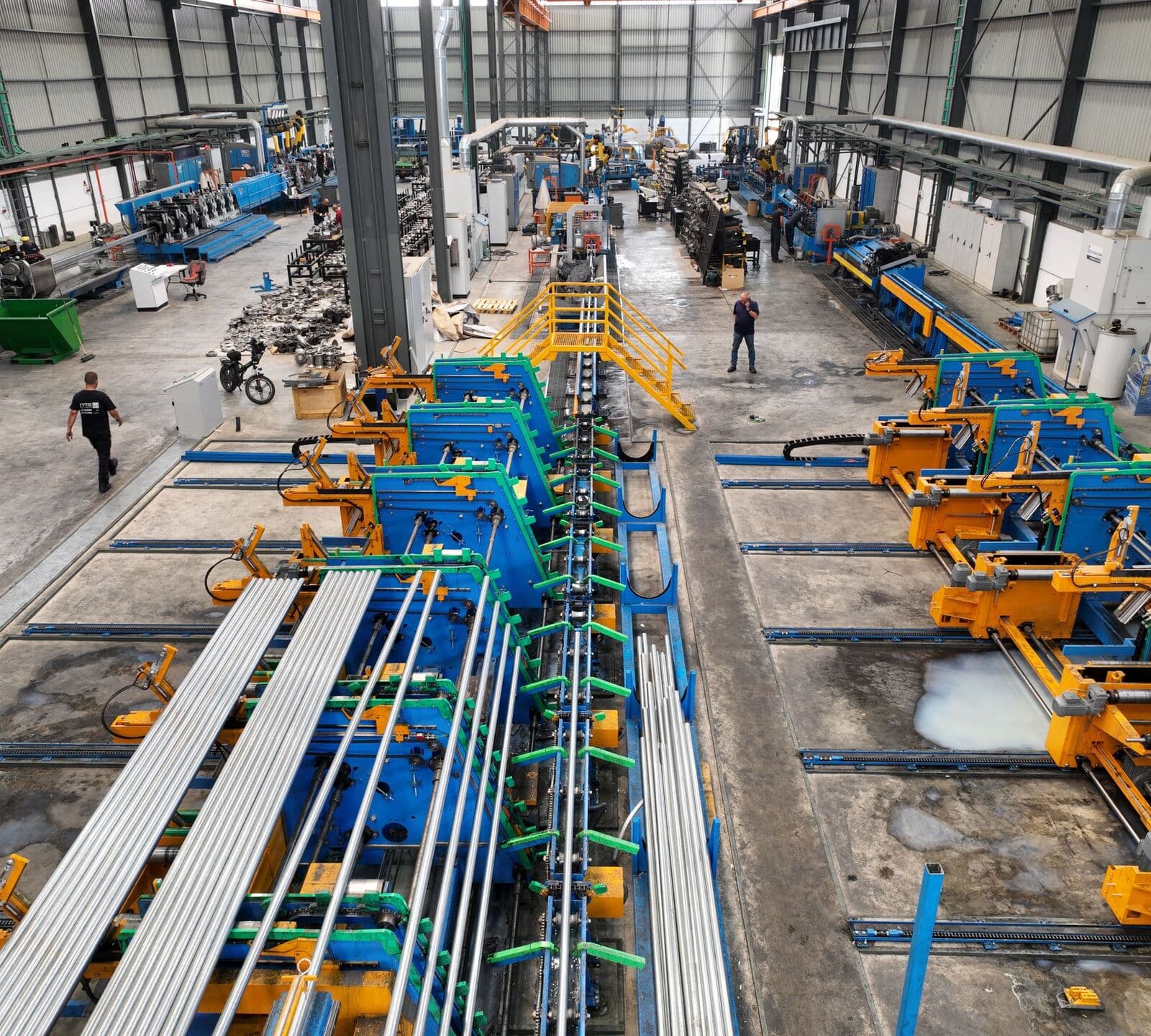
A production line can't stop for a patch window, so changes have to fit the schedule.
OT and IT convergence. A flat network between plant and office is the common failure, and segmentation is the fix. It's a design problem, not a purchase.
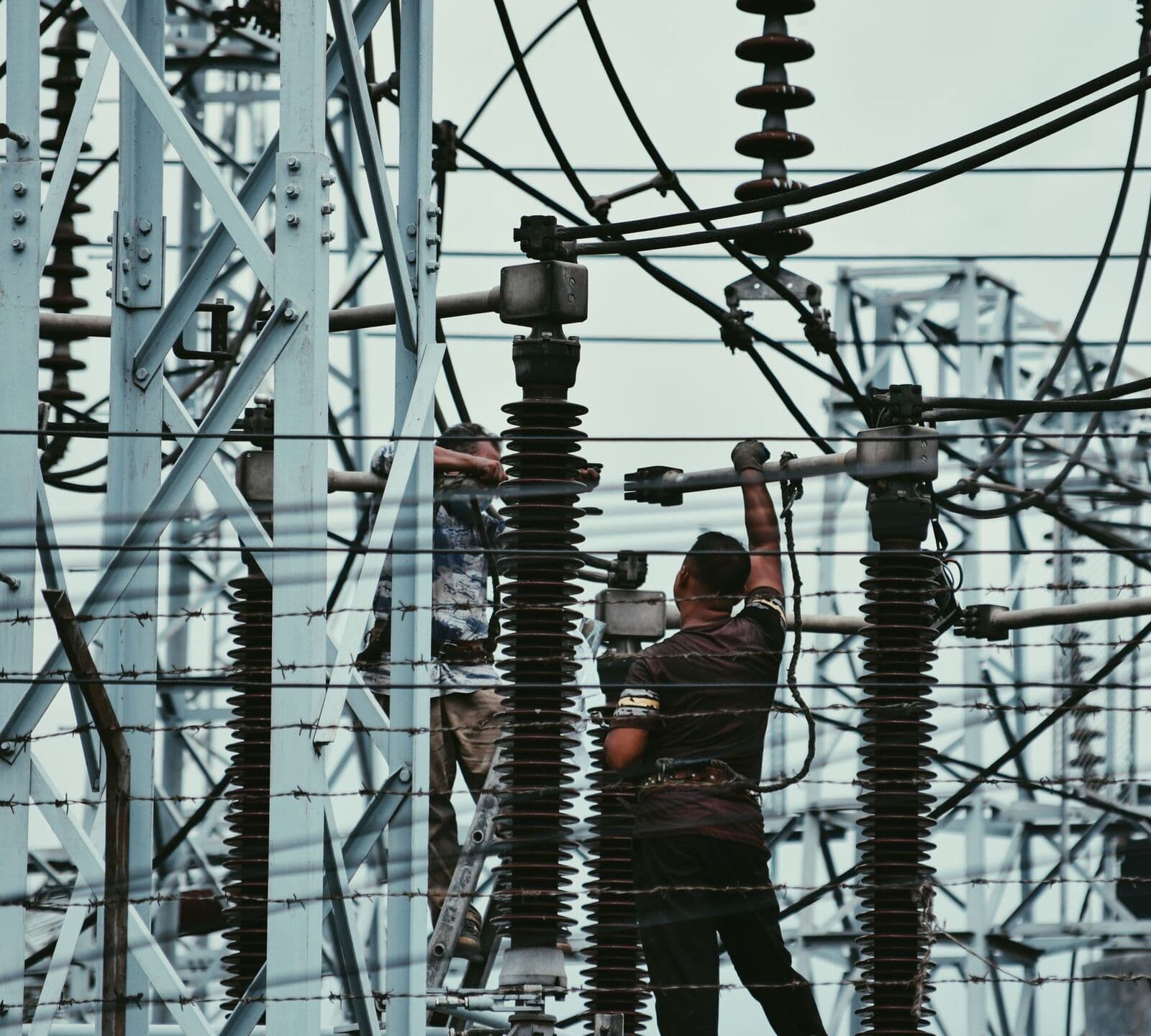
SCADA networks and remote sites can't go offline, so changes are planned around them.
SCADA and ICS. Availability outranks confidentiality here, and you often can't take a system offline to investigate what happened on it.

Health information sits under provincial privacy law, and your IT provider is usually the custodian's agent.
PHIPA. Ontario's health privacy act, with its own definition of a custodian and its own duties for the agents acting on a custodian's behalf. Your IT provider is usually an agent.

Solicitor-client privilege decides how a firm can handle its data.
Law Society obligations. Confidentiality and competence duties reach the technology you practise with, and the vendors who touch client information. The firm is expected to have assessed the provider, which means the provider should arrive with the answers.

Protected A, B and C data handling decides where the work can run and who can touch it.
Protected A, B and C. Each level changes where the data can physically live, who can reach it, and what you have to prove about both. Most files turn on Protected B, and most disagreements turn on what counts as reaching it.
What do you need from F5 Application Delivery?
Tell us who you are and what you're working on. A senior engineer reads your message before replying, so the first answer is a real read on scope, risk and timing, within an hour, 24/7. Nothing here is a commitment, and we'll tell you plainly if we're not the right fit.
Your request
- Service
- F5 Application Delivery
What happens next
- A senior engineer replies within an hour, 24/7, never an SDR.
- We book a 30-minute call to listen, sketch options, and flag risks.
- You get a scoped statement of work within 3 business days.
Call the 24/7 line
+1 514-465-1584F5 load balancer work in Canada, made real.
I run these engagements myself, so here's the honest version of F5 load balancer work in Canada.
It starts with the pool.
Good starts with the pool. Health monitors have to match how the app really answers, not just a TCP handshake. Persistence has to follow the session, or logins break. The virtual server, the profiles, the SSL offload, the iRules: each one is a place things go wrong. Get them right and the F5 load balancer disappears into the background, which is exactly where you want it.
How we work.
We start on your gear, in a lab that mirrors production, before we touch a live virtual server. The risk isn't the F5 box. It's the cutover: DNS caches, half-open connections, a monitor that marks a healthy pool down at 2 a.m. We plan for the failure modes, run the change in a window you approve, and keep a rollback ready the whole time.

Want a Senior IT Consultant's Read on Your Setup?
Tell us what you run today and what keeps breaking. A senior SMEnode engineer replies within an hour with a first read on scope, risk and timing. No sales handoff.
Request a consultHow an F5 BIG-IP load balancer project runs.
Every F5 load balancer project we run in Canada follows the same four steps, in the same order, because skipping one is how outages happen. We look before we touch. We build in a lab. We cut over in a window you control. Then we hand you clean documentation and stay on for the first weeks, when the real traffic finds the edge cases a lab never will.
Engagement phases
Phases 01 to 04
Discovery and design
We map what you have: your current ADC config, traffic patterns, SSL certs, and the apps behind each virtual server. We write the target design, the pool layout, the monitors, and the failover logic, then walk you through it before anyone touches a keyboard.
Build and lab test
We build the config on a lab pair that mirrors your production BIG-IP, then break it on purpose. Fail a node, drop a link, expire a cert. If it survives the lab, it's ready for your network.
Cutover
We migrate in a change window you approve, off-hours if you want. Traffic moves pool by pool, with a rollback staged at every step, so a surprise never becomes an outage.
Handover and run
You get real documentation: diagrams, the config rationale, runbooks your team can follow at 3 a.m. We stay on through the first weeks, tuning WAF policy and monitors as the edge cases show up. Then you own it, or we run it for you.
F5 load balancer questions, answered straight.
These are the questions clients actually ask before an F5 project. I wrote the answers myself, the same way I'd explain them on a call.
Where this work connects.
These disciplines share the same senior team and tend to land together. Follow the thread to the next one.
- CoreEnterprise NetworkingWe design, build, and run enterprise networking for Canada's mid-market and enterprise teams, end to end.
- Zero-trustCybersecurity ConsultingWe run cybersecurity consulting across Canada end to end, from zero trust design to firewall build and audit.
- WANSD-WAN SolutionsWe design, build, and run SD-WAN solutions for Canadian networks, so branch traffic just works.