Privacy impact assessment, written to the rule your regulator actually applies
Trusted by







Privacy impact assessment, three pillars, one operator.
One Canadian team finds the rule, maps the data, and writes what your regulator accepts. Privacy by design is the part that has to happen before the build, not after the assessment.
Find the rule first
Which statute or directive applies decides your template, your threshold and your reader. Ontario institutions have had to produce a written assessment before collecting personal information since 2025-07-01.
Map the data honestly
Collection, use, disclosure, retention and destruction, traced to the systems that hold the records rather than to the project's own description of itself.
Write what gets accepted
The current form, the named authority, the risks and the mitigations somebody owns. Alberta's commissioner replaced the old template with a new mandatory one on 2026-05-01.
Does Privacy Impact Assessment work the same way in every industry?
No. The Privacy Impact Assessment work is the same craft in every sector, but the conditions around it are not. In healthcare that means provincial health privacy law; in government, Protected A, B and C data handling. We keep the service and change the part that bends.

Expected before a new system touches health information.
PHIPA. Ontario's health privacy act, with its own definition of a custodian and its own duties for the agents acting on a custodian's behalf. Your IT provider is usually an agent.
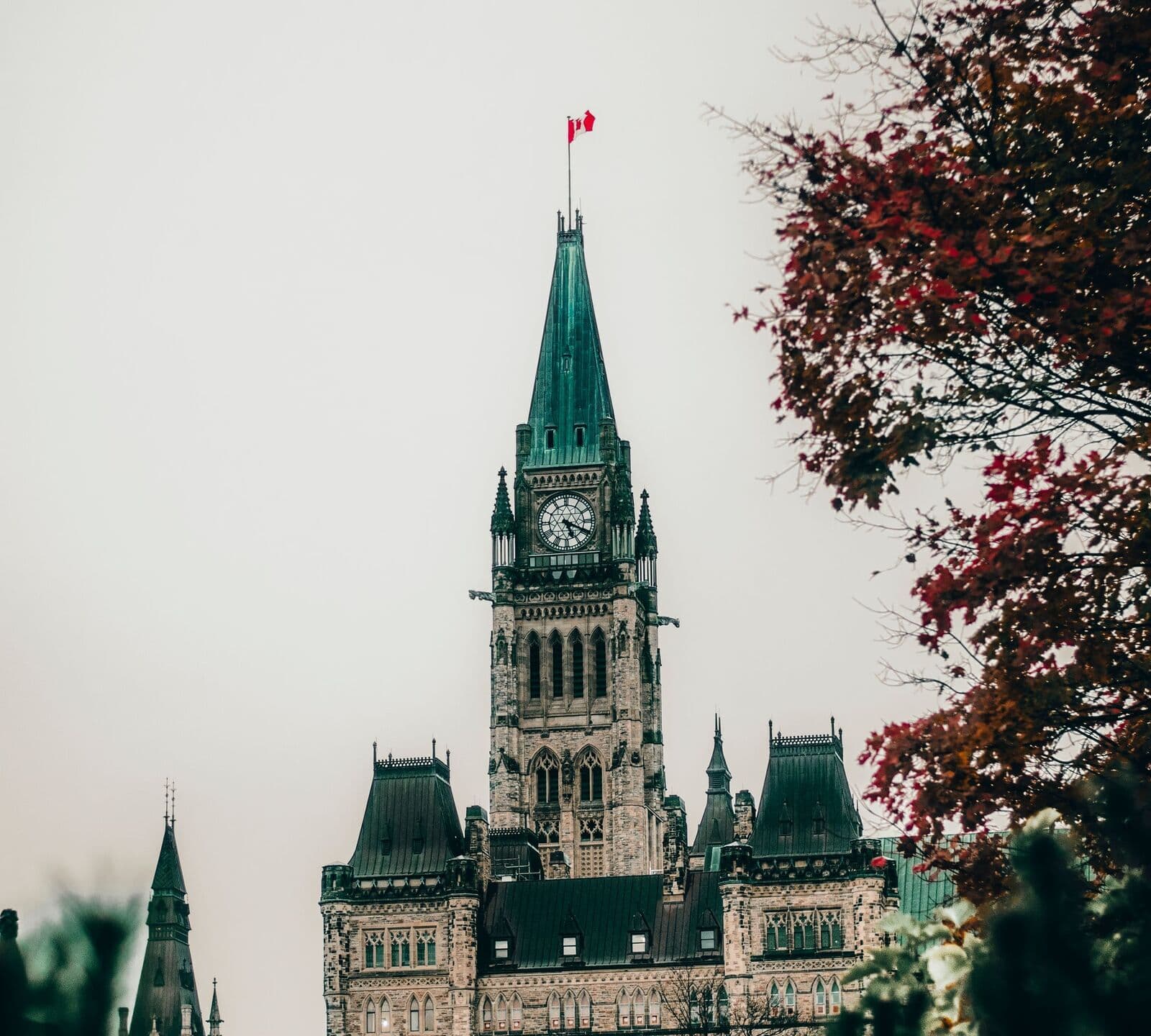
Mandatory before a new programme touches personal information.
Protected A, B and C. Each level changes where the data can physically live, who can reach it, and what you have to prove about both. Most files turn on Protected B, and most disagreements turn on what counts as reaching it.
What do you need from Privacy Impact Assessment?
Tell us who you are and what you're working on. A senior engineer reads your message before replying, so the first answer is a real read on scope, risk and timing, within an hour, 24/7. Nothing here is a commitment, and we'll tell you plainly if we're not the right fit.
Your request
- Service
- Privacy Impact Assessment
What happens next
- A senior engineer replies within an hour, 24/7, never an SDR.
- We book a 30-minute call to listen, sketch options, and flag risks.
- You get a scoped statement of work within 3 business days.
Call the 24/7 line
+1 514-465-1584Privacy impact assessment in Canada, made real.
There isn't one Canadian requirement. There are several, they disagree, and three of them changed in the last fifteen months.
Start with the rule, because the rule sets everything else.
An Ontario institution under the amended access statute has had to produce a written assessment before collecting personal information since 2025-07-01, recorded or not, and update it before a significant change of purpose (IPC Ontario, Bill 194). An Alberta public body works under legislation in force since 2025-06-11 and must use its commissioner's new form, mandatory since 2026-05-01. Federal institutions answer to the Treasury Board Directive on Privacy Practices, which replaced the older assessment-specific directive, and file with both the Secretariat and the federal Privacy Commissioner. Quebec has a different instrument again. Guess wrong and you produce a careful document nobody will accept.
Map the data, not the intentions.
What is collected, under what authority, who sees it, where it lives, how long it stays and what destroys it. The gap we find most often sits between the project's description and its database: a field nobody mentioned, a vendor's analytics on by default, a retention setting left at its factory value. An assessment that describes the plan instead of the system ages badly and gets reopened.
Writing it so a reviewer accepts it.
Reviewers want a named legal authority for each collection, a risk actually characterised rather than labelled medium, a mitigation with an owner and a date, and honesty about residual risk. We'd rather file a document saying one risk stays open, with a plan attached, than one claiming everything is fine. Reviewers have read thousands of these. They can tell.


Want a Senior IT Consultant's Read on Your Setup?
Tell us what you run today and what keeps breaking. A senior SMEnode engineer replies within an hour with a first read on scope, risk and timing. No sales handoff.
Request a consultHow our privacy risk assessment and PIA work runs.
Four steps, and step 01 is a question with a real answer. Which instrument binds you. That depends on whether you're public or private, federal or provincial, which province, whether health information is involved, and whether a contract imposes something extra. It takes hours, not weeks, and it decides the template, the threshold, the reviewer and the deadline. Most of the confusion we're called about is this question left unanswered for months.

Engagement phases
Phases 01 to 04
Establish the instrument
Statute, directive, contractual term or all three, named in writing, with the threshold that decides whether an assessment is required at all and which form applies.
Map the initiative
Data elements, legal authority for each collection, flows to every internal and third-party recipient, storage locations including where a supplier actually holds it, retention and destruction.
Characterise and mitigate
Real likelihood and real consequence for the people whose information this is, then mitigations with named owners and dates, and residual risk stated rather than buried.
File and keep it alive
The document in the form your reviewer expects, submitted where submission is required, plus the trigger list that tells you when a change means reopening it.
Privacy impact assessment questions, answered straight.
Answers first, including which rule applies to you and when you should do this yourselves instead of hiring us. An architect takes the call, not a salesperson.
Where this work connects.
These disciplines share the same senior team and tend to land together. Follow the thread to the next one.
- RegulatedThird-Party Risk ManagementThird party risk management for Canadian organisations, covering the subcontractors and concentration OSFI B-10 asks about.
- RegulatedBill C-26 ReadinessBill C-26 became Bill C-8, now Canadian law, and designation starts a 90-day statutory clock.
- RegulatedISO 42001 AI Management SystemISO 42001 for Canadian organisations, from an AI system inventory to a certificate an accredited body signs.