ISO 22301 business continuity, with recovery targets your systems can actually hit
Trusted by






ISO 22301 business continuity, three pillars, one operator.
One Canadian team runs the business impact analysis, builds the business continuity management system (BCMS), and proves the plan against the infrastructure you actually run.
Business impact analysis
Critical activities ranked and tolerable disruption periods agreed with the people who own them, then mapped through to the systems, suppliers and people each activity depends on.
The management system
Clauses 4 to 10 built: scope, policy, continuity strategy, plans, exercise programme, management review, and the records an ISO 22301 certification audit asks to see.
Plans that hold
Continuity plans exercised against the estate you actually run, not against a boardroom table. Where the agreed target and the infrastructure disagree, our engineers fix the infrastructure.
Does ISO 22301 Business Continuity work the same way in every industry?
No. The ISO 22301 Business Continuity work is the same craft in every sector, but the conditions around it are not. In manufacturing that means production lines that can't stop for a patch window; in energy and mining, SCADA networks and remote sites that can't go offline. We keep the service and change the part that bends.
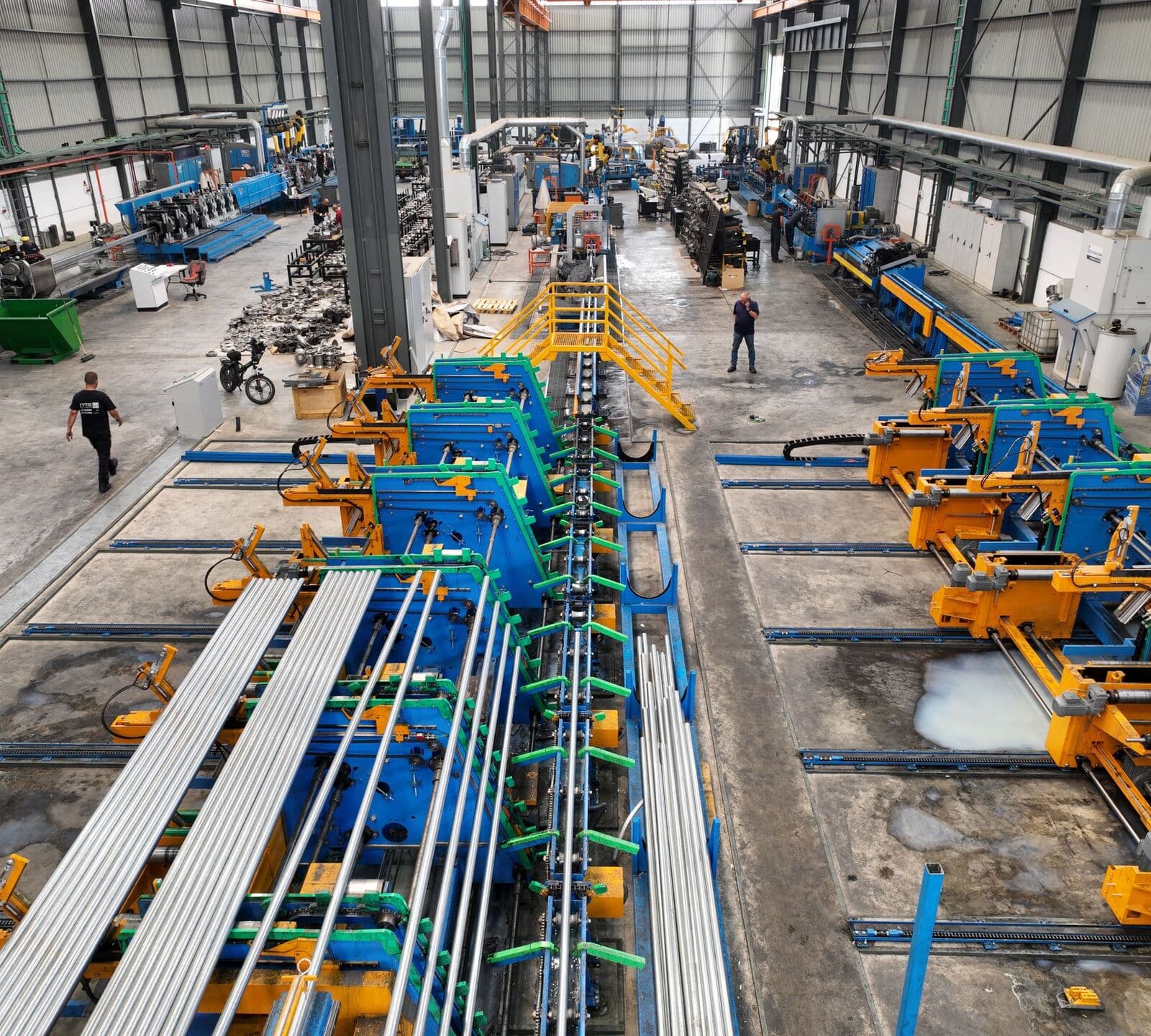
The continuity certification your larger customers ask for.
OT and IT convergence. A flat network between plant and office is the common failure, and segmentation is the fix. It's a design problem, not a purchase.
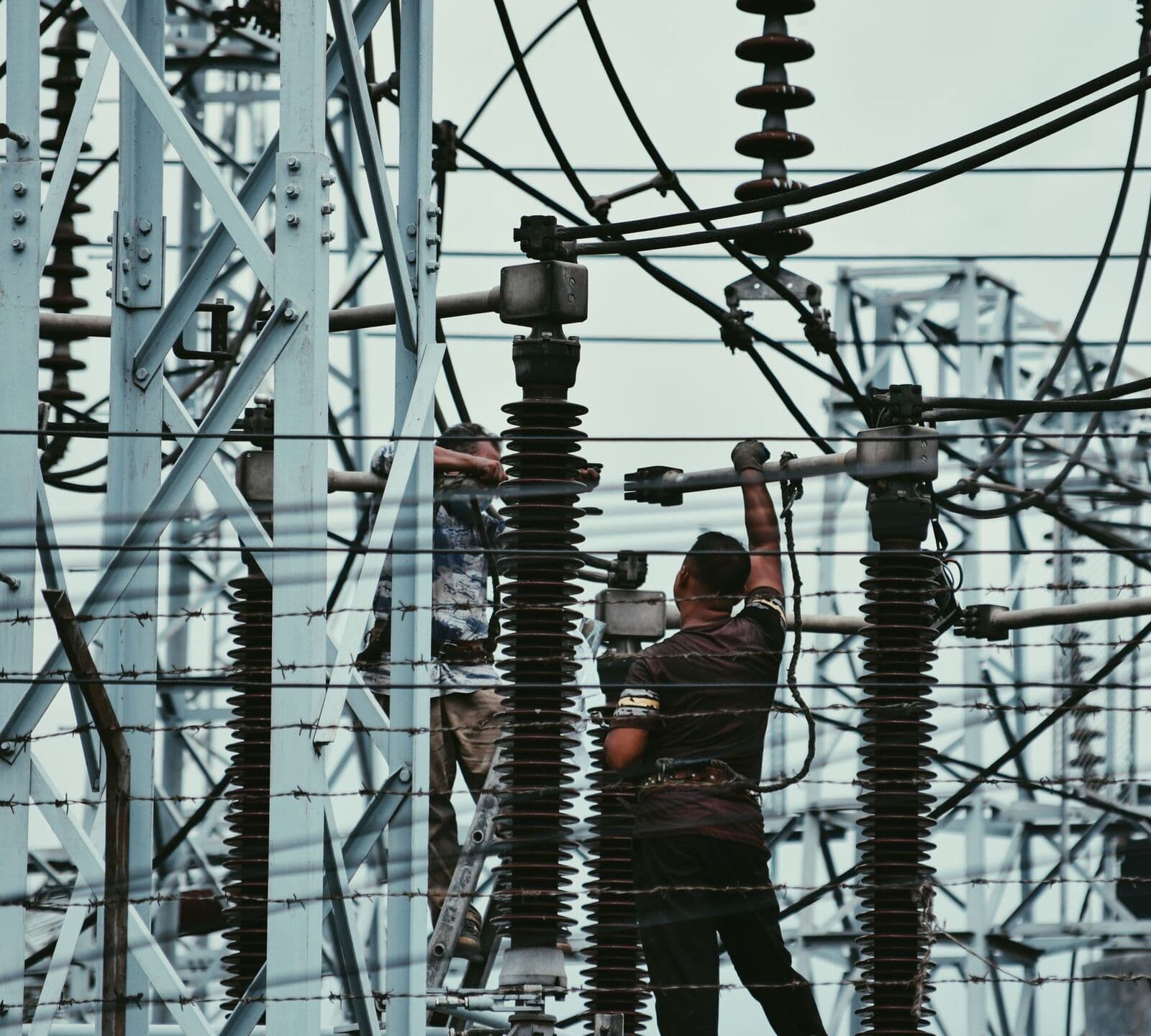
Continuity planning that accounts for physical isolation.
SCADA and ICS. Availability outranks confidentiality here, and you often can't take a system offline to investigate what happened on it.
What do you need from ISO 22301 Business Continuity?
Tell us who you are and what you're working on. A senior engineer reads your message before replying, so the first answer is a real read on scope, risk and timing, within an hour, 24/7. Nothing here is a commitment, and we'll tell you plainly if we're not the right fit.
Your request
- Service
- ISO 22301 Business Continuity
What happens next
- A senior engineer replies within an hour, 24/7, never an SDR.
- We book a 30-minute call to listen, sketch options, and flag risks.
- You get a scoped statement of work within 3 business days.
Call the 24/7 line
+1 514-465-1584ISO 22301 business continuity in Canada, made real.
I run this practice, so this is written by the engineer who'll own the gap between your plan and your platform, not a product page.
Most continuity plans promise what the estate can't deliver.
Most continuity plans get written by people who have no authority to change the systems the plan depends on. That's the problem in one sentence. A business impact analysis sets a tolerable period of disruption for each critical activity, and the plan then promises it. Almost nobody checks whether the estate can deliver it, and the certificate won't tell you, because ISO 22301 certifies that a business continuity management system exists and runs, not that your platform can come back inside the window you wrote down. Both things matter. Only one of them is what a customer experiences during an outage.
Where the risk actually sits.
Risk sits in three predictable places. A business impact analysis done with a consultant and a spreadsheet rather than with the people who own the critical activities, which produces numbers nobody will defend under pressure. Plans exercised only as tabletop discussions, so the first real test is a real incident. And suppliers whose own continuity arrangements nobody has ever asked about, which is where a surprising share of Canadian outages start.
The Canadian calendar, and what OSFI E-21 already expects.
The Canadian calendar makes this urgent for one sector in particular. OSFI published Guideline E-21, Operational Risk Management and Resilience, on 2024-08-22, began compliance checks on 2025-09-01, and expected full adherence by 2026-09-01 (source: OSFI, 2024). It calls for business continuity, disaster recovery and crisis management to sit inside one resilience framework, with scenario testing across all critical operations by 2027-09-01. E-21 names no standard, so ISO 22301 is one credible way to evidence it rather than a requirement. ISO 22301:2019 is still the current version of this continuity planning standard, and it now carries the 2024 climate amendment (source: ISO).

Want a Senior IT Consultant's Read on Your Setup?
Tell us what you run today and what keeps breaking. A senior SMEnode engineer replies within an hour with a first read on scope, risk and timing. No sales handoff.
Request a consultHow our BCMS and continuity planning work runs.
Four steps, and step 01 is the one that gets skipped. A business impact analysis is a series of uncomfortable conversations with the people who own each critical activity, and it produces numbers they'll stand behind. Done as a questionnaire it produces numbers nobody owns. We run it as workshops, we write down who agreed to what, and the output is short enough that an executive will read it.

Engagement phases
Phases 01 to 04
Run the impact analysis
Critical activities identified with their owners, tolerable disruption periods agreed and recorded, and dependencies mapped through to the systems, suppliers and people each activity actually needs.
Build the management system
Scope, policy, continuity strategy, plans, exercise programme, management review, and the records a certification body will ask to see, sized so your team can keep it running.
Close the capability gap
Where the agreed target and the infrastructure disagree, our engineers fix the infrastructure. This is the step no continuity consultancy can offer, and it's why the plan stops being fiction.
Exercise, then certify
Real exercises against real systems, findings fed back into the plans, an internal audit, and stage 1 and stage 2 support with the accredited body that issues the certificate.
ISO 22301 questions, answered straight.
Answers first, including what the certificate does not prove. An architect takes the call, not a salesperson.
Where this work connects.
These disciplines share the same senior team and tend to land together. Follow the thread to the next one.
- RegulatedCPCSC Certification SupportCPCSC certification support for Canadian defence suppliers, from the Level 1 self-assessment through to ITSP.10.171 gap closure.
- RegulatedSOC 2 Compliance ServicesSOC 2 compliance for Canadian companies, scoped down to what your customers actually asked for, then evidenced.
- RegulatedPIPEDA CompliancePIPEDA compliance for Canadian organisations, built to still hold when Bill C-36 replaces the Act.