IT audit services in Canada, run by the engineers who read the configs
Trusted by







IT audit services, three pillars, one operator.
One Canadian team examines the estate, scores it, and prices the fixes, so a technology audit ends in a funded order of work instead of a list of unpriced risks.
Infrastructure assessment
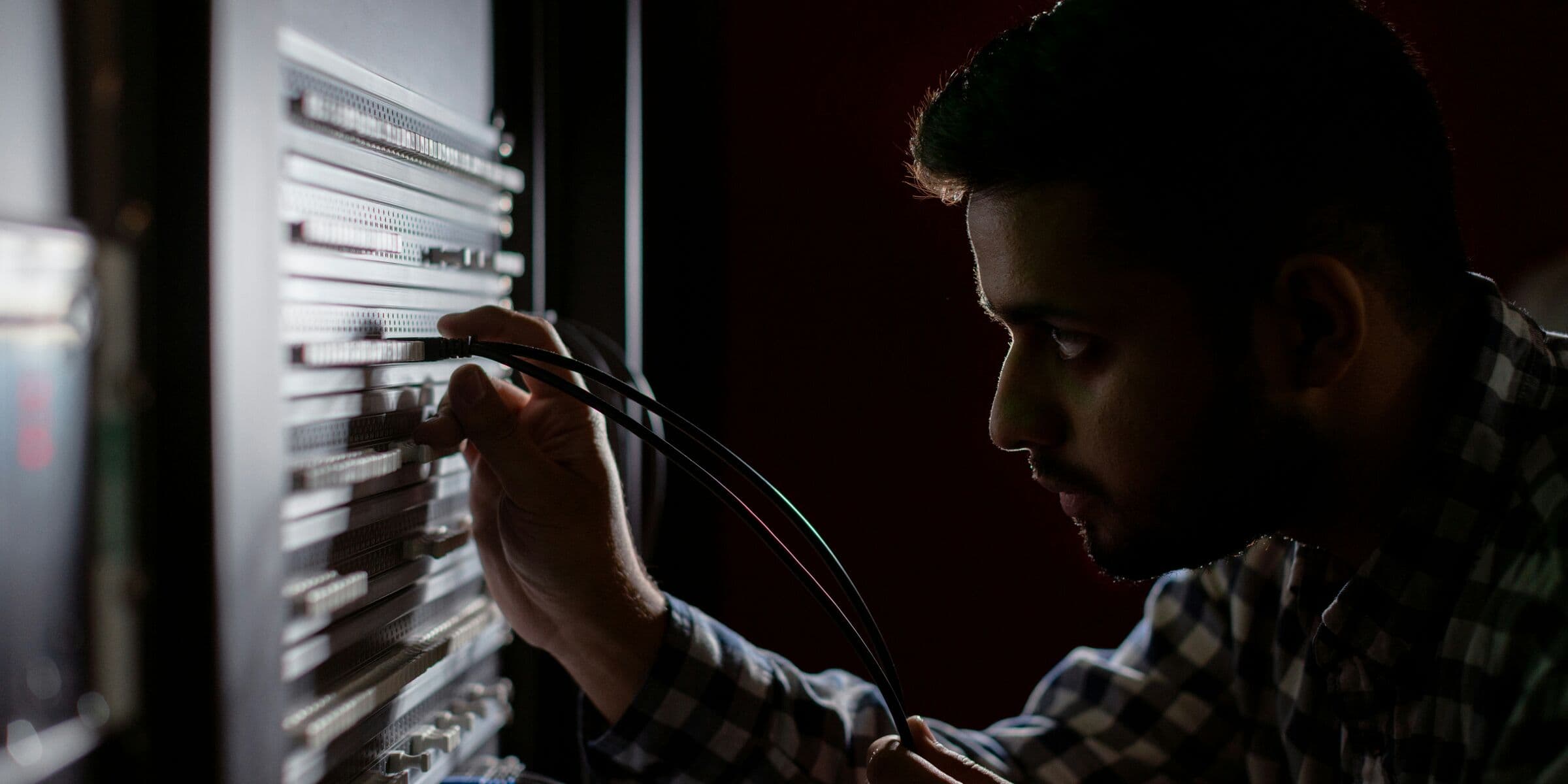
We read configs, contracts, and topology, not a questionnaire your team fills in. An infrastructure assessment covers network, servers, cloud, identity, backups, and end-of-support state.
Network security assessment
Firewall rules, segmentation, patch state, and identity, tested against how you actually run. A network security assessment asks whether the design would contain an incident, not just whether a scanner found a known CVE.
Insurance and renewal readiness
We produce the evidence your insurer or auditor asks for, before they ask: patch records, restore tests, segmentation, and access control, in the form the questionnaire wants it.
Does IT Audit and Assessment work the same way in every industry?
No. The IT Audit and Assessment work is the same craft in every sector, but the conditions around it are not. In manufacturing that means production lines that can't stop for a patch window; in healthcare, provincial health privacy law; and in legal, Law Society duties and solicitor-client privilege. We keep the service and change the part that bends.

A production line can't stop for a patch window, so changes have to fit the schedule.
OT and IT convergence. A flat network between plant and office is the common failure, and segmentation is the fix. It's a design problem, not a purchase.

Health information sits under provincial privacy law, and your IT provider is usually the custodian's agent.
PHIPA. Ontario's health privacy act, with its own definition of a custodian and its own duties for the agents acting on a custodian's behalf. Your IT provider is usually an agent.

Solicitor-client privilege decides how a firm can handle its data.
Law Society obligations. Confidentiality and competence duties reach the technology you practise with, and the vendors who touch client information. The firm is expected to have assessed the provider, which means the provider should arrive with the answers.
SCADA networks and remote sites can't go offline, so changes are planned around them.
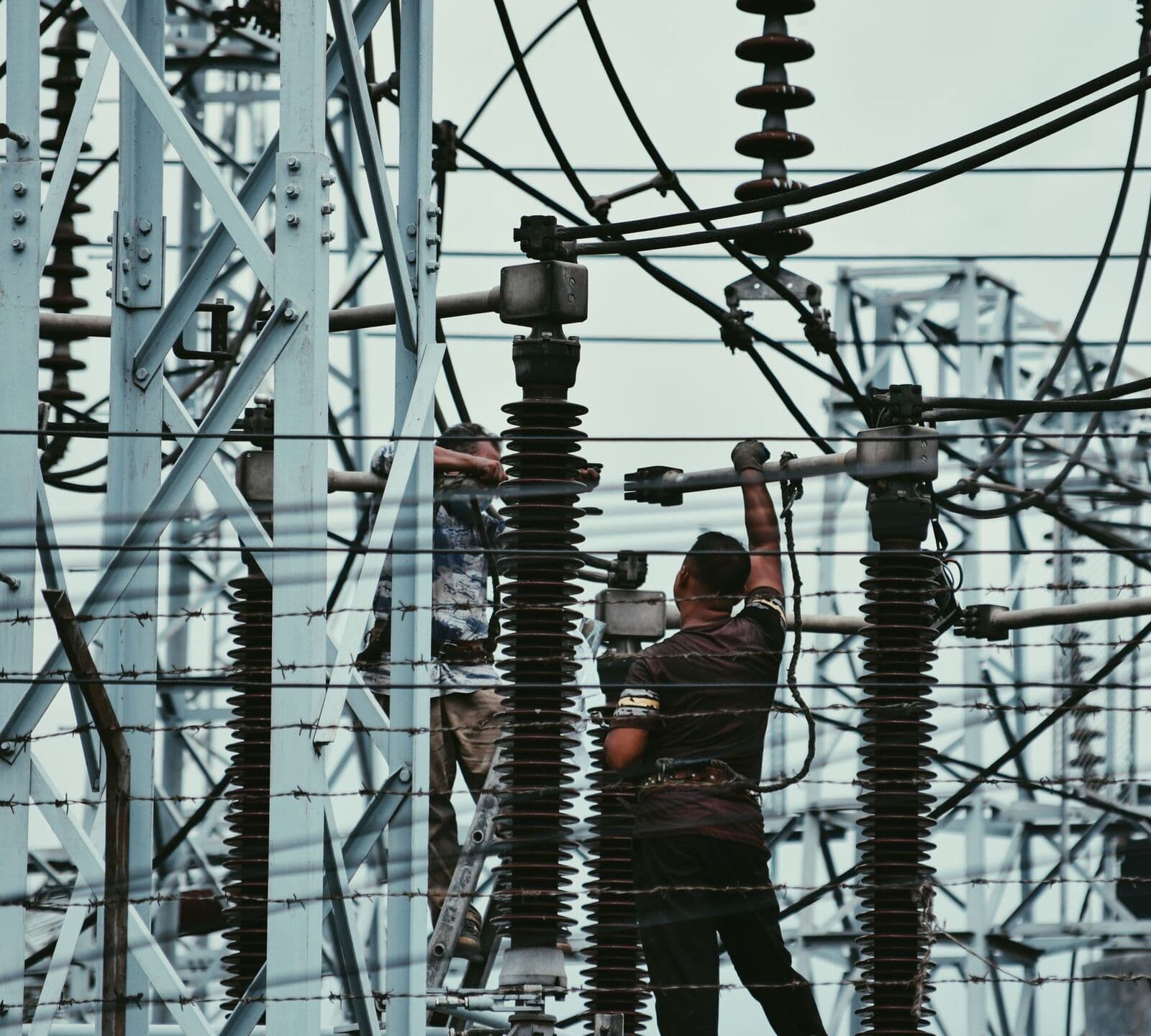
SCADA and ICS. Availability outranks confidentiality here, and you often can't take a system offline to investigate what happened on it.

OSFI's technology and cyber risk rules set what an examiner will ask to see.
OSFI B-13. Technology and cyber risk across three domains: governance, technology operations and resilience, and cyber security. It binds federally regulated institutions, and only those.
What do you need from IT Audit and Assessment?
Tell us who you are and what you're working on. A senior engineer reads your message before replying, so the first answer is a real read on scope, risk and timing, within an hour, 24/7. Nothing here is a commitment, and we'll tell you plainly if we're not the right fit.
Your request
- Service
- IT Audit and Assessment
What happens next
- A senior engineer replies within an hour, 24/7, never an SDR.
- We book a 30-minute call to listen, sketch options, and flag risks.
- You get a scoped statement of work within 3 business days.
Call the 24/7 line
+1 514-465-1584IT audit services in Canada, made real.
I run this practice, so this is written by the engineer who'll read your configs, not a product page.
Two different services share this name.
A financial-controls IT audit tests whether your controls satisfy an auditor or a framework, and it ends in an opinion or an attestation. Accounting firms do that, and for a SOC 2 or a statutory audit you want one. What we do is an engineering IT audit: we examine the running estate and tell you what's broken, what it costs to fix, and what order to fix it in. No opinion, no attestation, just findings with evidence and a price against each. If a vendor won't say which of the two they're selling, that's your answer.
We read the systems, not a questionnaire.
Our technology audit reads the systems, because self-assessment forms record what your team believes and the gap between belief and configuration is where every incident lives. Risk clusters in three places: the firewall rule somebody added at 2am in 2022 and nobody removed, the device outside your patch process because it predates it, and the admin account belonging to someone who left. An infrastructure assessment finds those by looking. Then we price the fix and say which findings you can close yourselves.
What the Canadian numbers and the law say.
A breach here averages $7.11M and runs 205 days from detection to containment (source: IBM Canada, 2026-07-29). Bill C-8 got royal assent on 2026-06-15, its Part 2 rules are law but not in force and no operators are designated yet, so an audit that tells you where you'd stand is cheap insurance against a deadline nobody's set. PIPEDA never transfers accountability to a vendor. Quebec's Law 25 applies if you have customers there.


Want a Senior IT Consultant's Read on Your Setup?
Tell us what you run today and what keeps breaking. A senior SMEnode engineer replies within an hour with a first read on scope, risk and timing. No sales handoff.
Request a consultHow our IT assessment work runs.
Four steps, and none of them is a workshop. Most audits start by asking your team to describe the estate, which produces a document about what people remember. An IT assessment should read the configuration instead and come back with what's there, because those two things always differ and the difference is the report. Findings arrive with evidence: the rule, the version, the log line. Every finding carries a price and a severity, so the report sorts itself.

Engagement phases
Phases 01 to 04
Collect
Configs, topology, contracts, licence state, patch levels, and identity. Read-only access, nothing changed, and anything that needs a live test gets booked with your team first.
Test
Checks run against how you actually run, not a generic template: segmentation, firewall rules, patch and end-of-support state, backup restores, and who holds admin rights.
Score and price
Every finding gets a severity, the evidence behind it, and a cost to fix. We name the ones you can close without us, because those are usually the fastest risk reduction you'll get.
Retest
Once remediation lands we go back and verify the fixes held. An audit nobody retests is a snapshot, not a control, and a snapshot is what your insurer will not accept next renewal.
IT audit services questions, answered straight.
Answers first, including what we don't do. An architect takes the call.
Where this work connects.
These disciplines share the same senior team and tend to land together. Follow the thread to the next one.
- AdvisoryFractional CTOFractional CTO services in Canada: a senior technology leader two days a week for architecture, hiring, board reporting and security reviews.
- AdvisoryOrganizational Change ManagementCanadian organizational change management scoped to technology rollouts, measured in real usage.
- AdvisoryDigital Transformation ConsultingCanadian digital transformation consulting that ends in migrated systems and retired licences, not a vision deck.