Digital transformation consulting in Canada, measured in shipped systems
Trusted by







Digital transformation consulting, three pillars, one operator.
One Canadian team assesses your maturity, modernises the systems, then runs them.
Digital maturity assessment
We score what you run against what your sector's leaders run, and price the distance. The written baseline is yours whether or not we do the build.
Legacy system modernization
We migrate, rebuild, or retire the old systems, and our own engineers do the migration. Each project names the system it switches off and the date it goes dark.
Process digitization and run
Paper and spreadsheets become systems, and then we operate them. Or we document them and train your team, which is a different price, not a lesser one.
Does Digital Transformation Consulting work the same way in every industry?
No. The Digital Transformation Consulting work is the same craft in every sector, but the conditions around it are not. In manufacturing that means production lines that can't stop for a patch window; in healthcare, provincial health privacy law; and in legal, Law Society duties and solicitor-client privilege. We keep the service and change the part that bends.
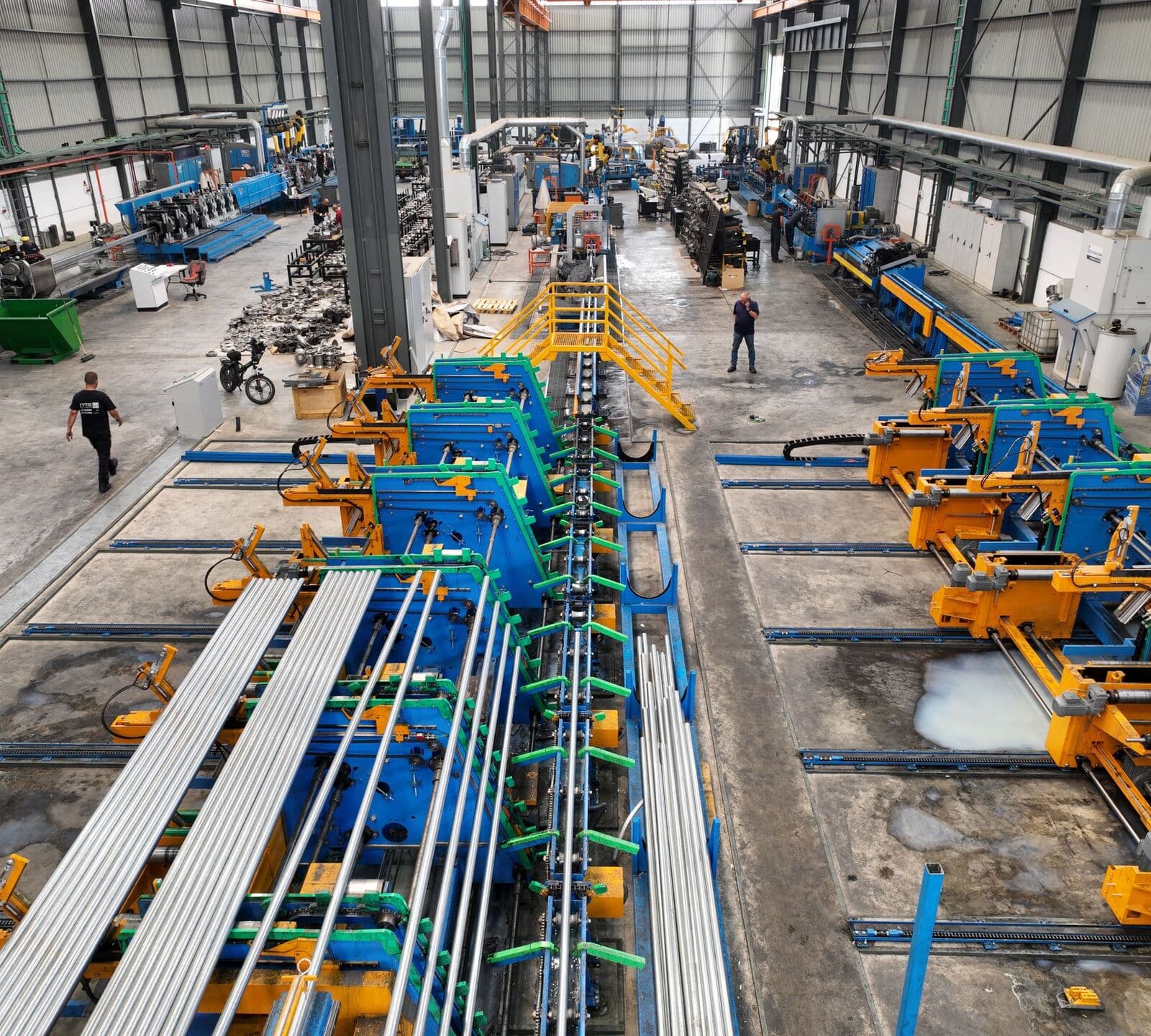
A production line can't stop for a patch window, so changes have to fit the schedule.
OT and IT convergence. A flat network between plant and office is the common failure, and segmentation is the fix. It's a design problem, not a purchase.

Health information sits under provincial privacy law, and your IT provider is usually the custodian's agent.
PHIPA. Ontario's health privacy act, with its own definition of a custodian and its own duties for the agents acting on a custodian's behalf. Your IT provider is usually an agent.

Solicitor-client privilege decides how a firm can handle its data.
Law Society obligations. Confidentiality and competence duties reach the technology you practise with, and the vendors who touch client information. The firm is expected to have assessed the provider, which means the provider should arrive with the answers.
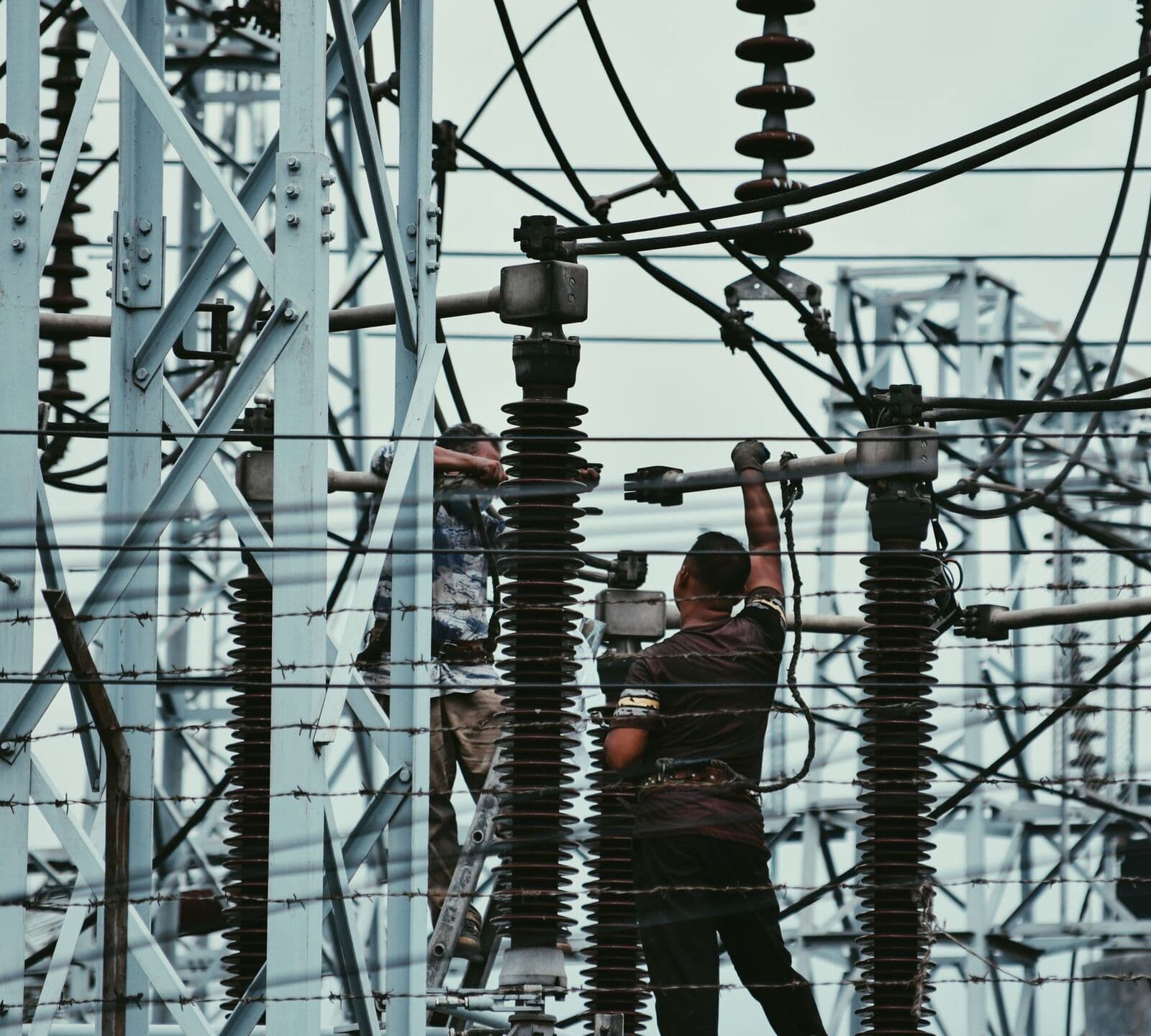
SCADA networks and remote sites can't go offline, so changes are planned around them.
SCADA and ICS. Availability outranks confidentiality here, and you often can't take a system offline to investigate what happened on it.

OSFI's technology and cyber risk rules set what an examiner will ask to see.
OSFI B-13. Technology and cyber risk across three domains: governance, technology operations and resilience, and cyber security. It binds federally regulated institutions, and only those.
What do you need from Digital Transformation Consulting?
Tell us who you are and what you're working on. A senior engineer reads your message before replying, so the first answer is a real read on scope, risk and timing, within an hour, 24/7. Nothing here is a commitment, and we'll tell you plainly if we're not the right fit.
Your request
- Service
- Digital Transformation Consulting
What happens next
- A senior engineer replies within an hour, 24/7, never an SDR.
- We book a 30-minute call to listen, sketch options, and flag risks.
- You get a scoped statement of work within 3 business days.
Call the 24/7 line
+1 514-465-1584Digital transformation consulting in Canada, made real.
The word's been ruined by people who don't ship. Here's the version with systems at the end of it.
What counts as transformation, and what doesn't.
Good technology transformation is a sequence of specific projects, each with a system that goes live and an old one that gets switched off. It isn't a programme, a workstream, or a culture change. If nobody can name what's being retired, nothing's being transformed. The honest version of digital strategy fits on two pages: three projects, what each replaces, what each costs, and which one we're not doing this year. Everything past that is billable narration.
Where the risk sits, and how we price around it.
We start with a digital maturity assessment because most estates are further along than the pitch decks assume. Risk sits in three places. The integration nobody documented, which every migration discovers on week three. The workflow that only survives because one person patches it manually. And scope that grows, because the word transformation has no natural edge. We scope by project with a defined finish, then sequence, so you can stop after the first one. We build and run infrastructure too, so here's our own exposure named out loud: the assessment fee and the build fee are separate engagements you can award separately. Ask any firm you're talking to whether they'll do that.
The Canadian numbers behind the case.
96% of Canadian SMEs already invest in digital technologies, up from 91% in 2021, so adoption isn't the gap. Maturity is. BDC puts the prize at nearly $350B in growth and up to 38% higher productivity if firms reached the maturity of the top-performing 8% (source: BDC, 2026-06-03). Only 30% use generative AI, and the ones that do are 24% more productive. Then there's PIPEDA, which never transfers accountability to a vendor, and Quebec's Law 25 if you have customers there.

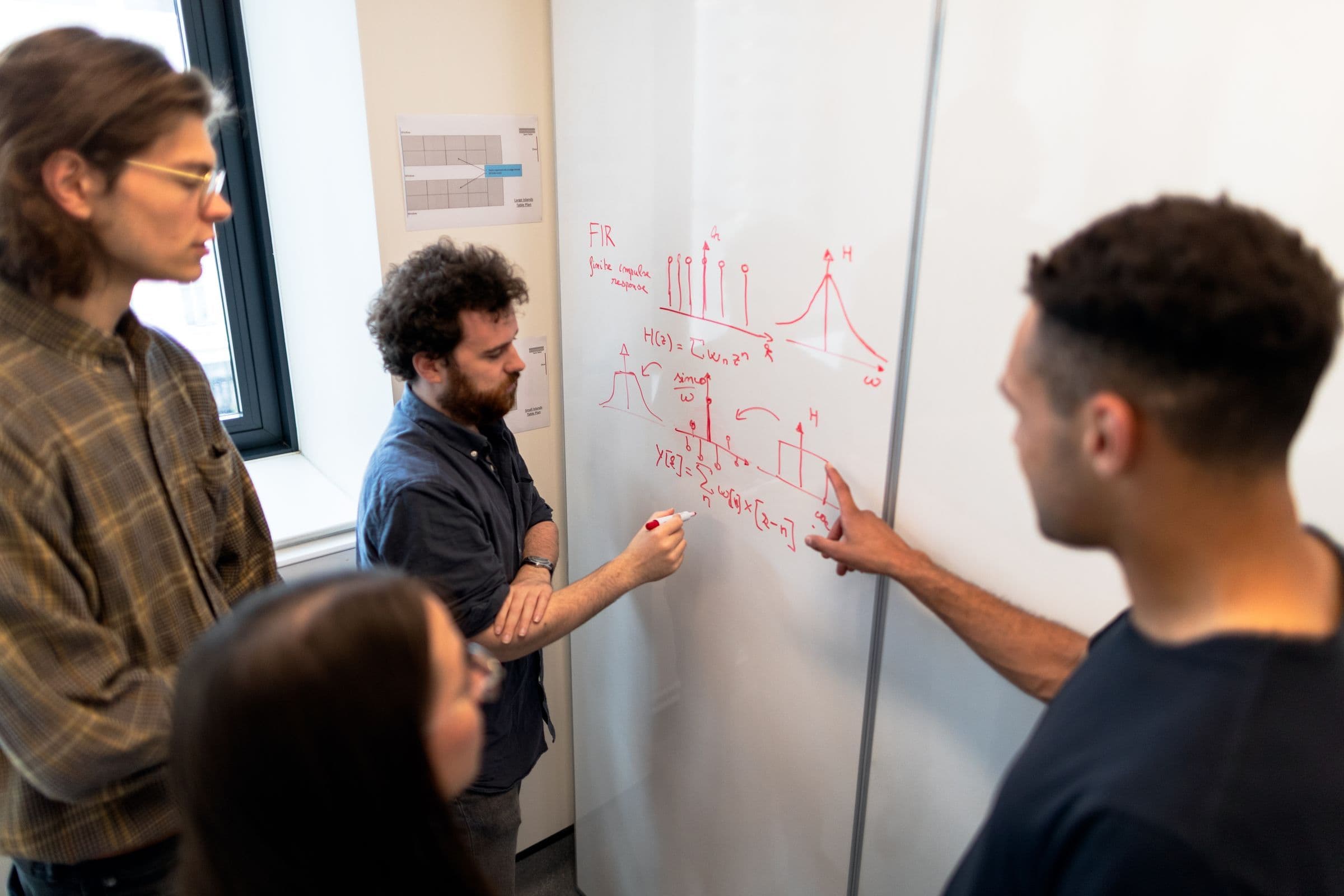
Want a Senior IT Consultant's Read on Your Setup?
Tell us what you run today and what keeps breaking. A senior SMEnode engineer replies within an hour with a first read on scope, risk and timing. No sales handoff.
Request a consultHow our business modernization work runs.
Four steps, and we'll talk you out of things in step two. Most transformation engagements are priced by duration, which rewards the consultancy for finding more to do. We price by project, which rewards us for finishing. That changes the incentives at exactly the point where these programmes usually go wrong: the moment somebody suggests a fourth workstream. We name what we're not doing, in writing, with the reason. Clients tell us that page is the most useful thing in the document.

Engagement phases
Phases 01 to 04
Assess
Six weeks. Systems, integrations, workflows, and spend, scored against comparable Canadian firms in your sector. The fee is written as its own engagement, separate from any build work, and you keep the baseline either way.
Cut
We name what isn't worth modernising yet, and why. Usually about a third of the wish list. This is the step where the money gets saved.
Ship
Three projects, sequenced, each one with a live system at the end and a retired one behind it. Our engineers do the migration, not a partner's.
Run or hand over
We operate what we built, or we document it and train your team to run it. Both are real options, priced differently, and you pick after the first project lands.
Digital transformation consulting questions, answered straight.
Answers first, including the ones that talk you out of buying. An architect takes the call.
Where this work connects.
These disciplines share the same senior team and tend to land together. Follow the thread to the next one.
- AdvisoryIT Strategy and RoadmapCanadian IT strategy consulting that ends in a costed technology roadmap we can build, not a binder.
- AdvisoryIT Audit and AssessmentCanadian IT audit services that examine the running estate, then price every finding.
- AdvisoryFractional CTOFractional CTO services in Canada: a senior technology leader two days a week for architecture, hiring, board reporting and security reviews.