Vulnerability management ranked by what's being exploited, not by score
Trusted by






Vulnerability management, three pillars, one operator.
One Canadian team runs the vulnerability scanning, ranks the exposure it finds, and proves what got closed.
Estate and exposure
What you own, what's reachable from outside, and the assets nobody documented. Discovery runs across internal ranges, external footprint, cloud accounts, and domains, so continuous vulnerability scanning has the real estate to work against instead of the asset register's version of it.
Exploitability ranking
Findings ordered by whether attackers are using the flaw right now, whether the affected asset is reachable from where an attacker sits, and what that asset is worth to you. Not by a score calculated centrally on the day the flaw was published.
Tracked to closed
Owners, dates, and a retest on every item, so vulnerability remediation ends in evidence rather than a ticket status. Whatever stays open sits on a register with the reason and the person who accepted it recorded next to it.
Does Vulnerability Management work the same way in every industry?
No. The Vulnerability Management work is the same craft in every sector, but the conditions around it are not. In manufacturing that means production lines that can't stop for a patch window; in financial services, OSFI's technology and cyber risk rules; and in government, Protected A, B and C data handling. We keep the service and change the part that bends.
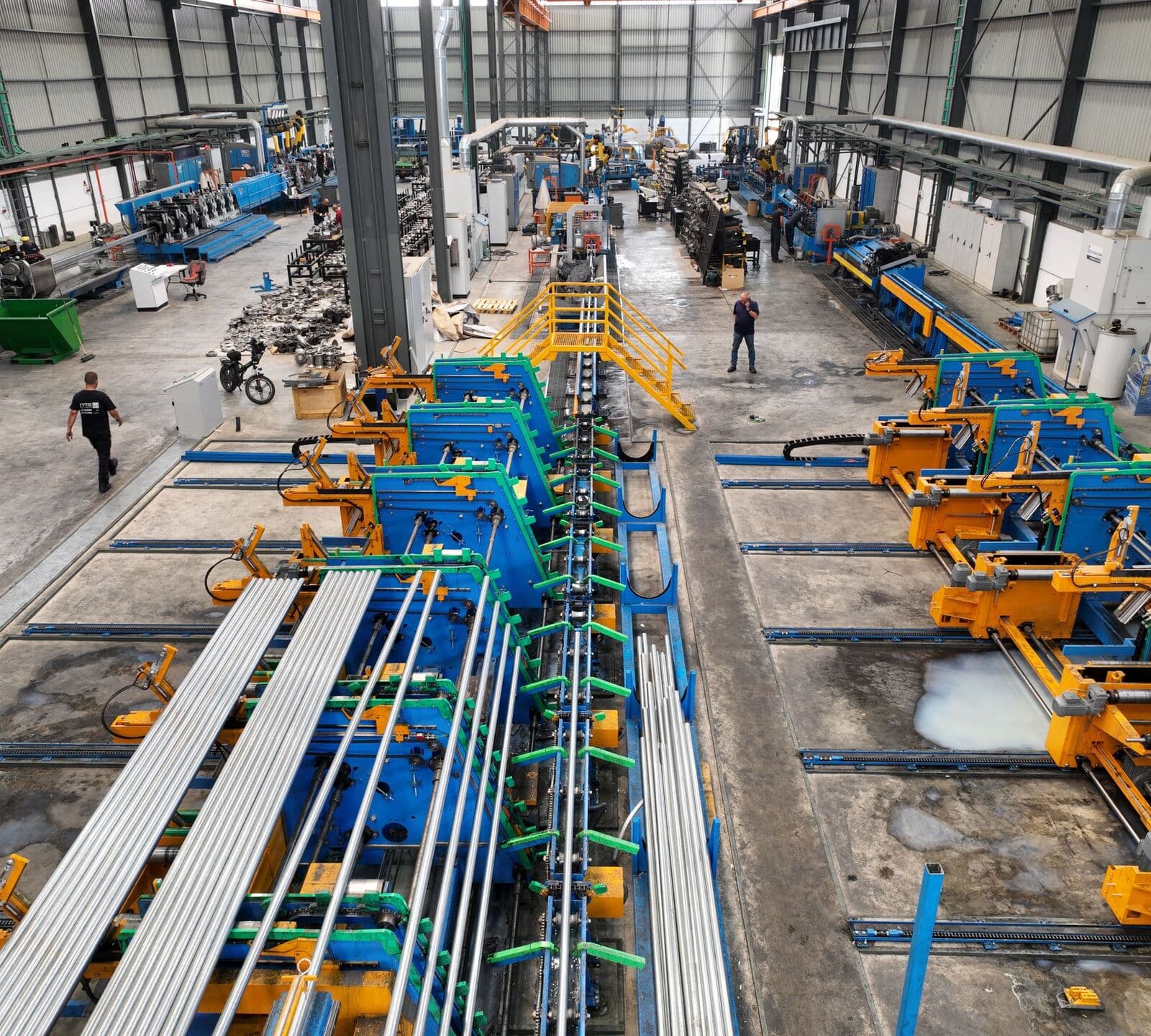
Which of the machines you can't patch actually matter, ranked.
OT and IT convergence. A flat network between plant and office is the common failure, and segmentation is the fix. It's a design problem, not a purchase.

OSFI's technology and cyber risk rules set what an examiner will ask to see.
OSFI B-13. Technology and cyber risk across three domains: governance, technology operations and resilience, and cyber security. It binds federally regulated institutions, and only those.
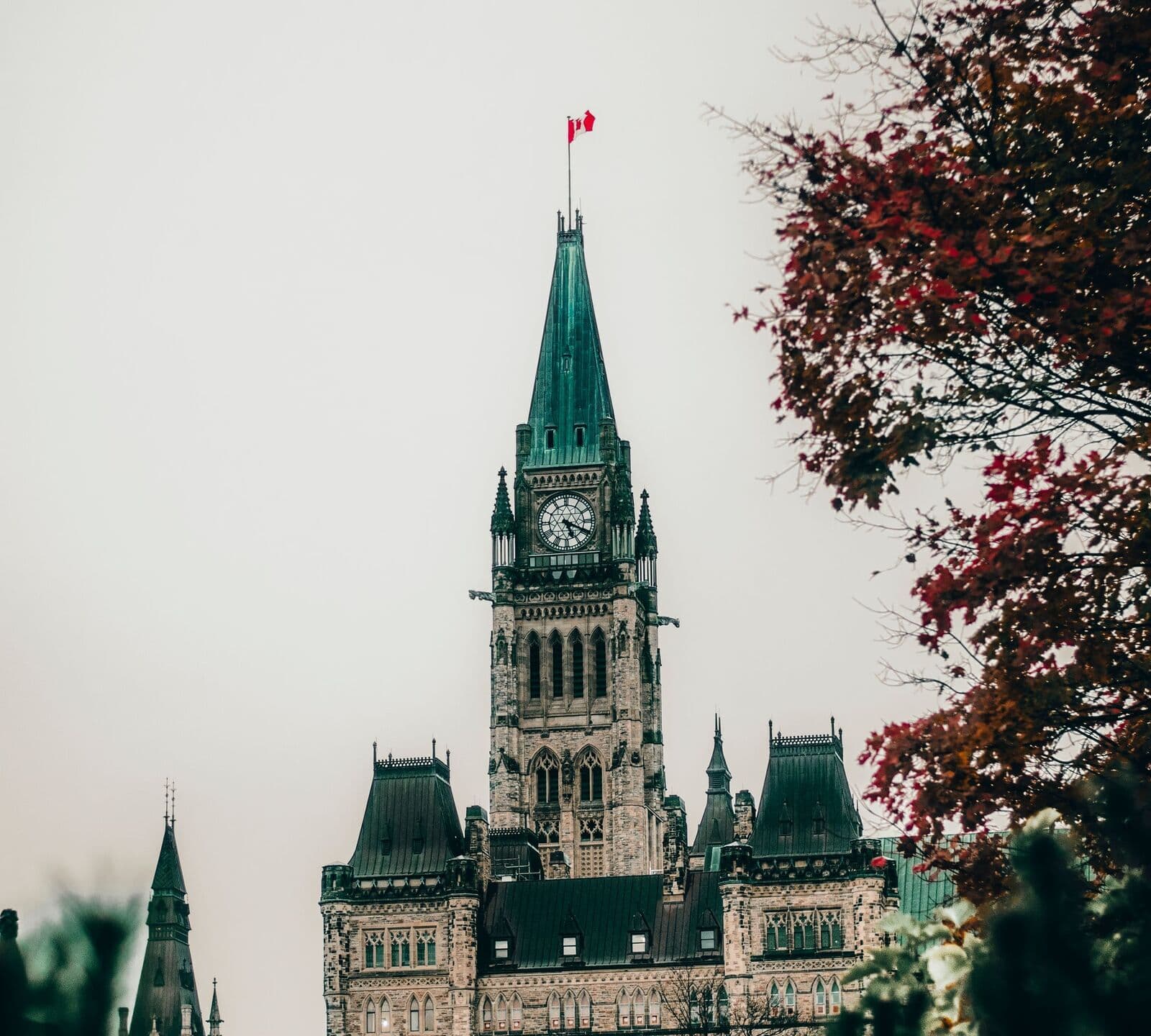
Protected A, B and C data handling decides where the work can run and who can touch it.
Protected A, B and C. Each level changes where the data can physically live, who can reach it, and what you have to prove about both. Most files turn on Protected B, and most disagreements turn on what counts as reaching it.

Controlled goods rules, CMMC and the flow-down from your prime set what a supplier can do.
ITAR and the Controlled Goods Program. Registration under the Defence Production Act is mandatory before anyone examines, possesses or transfers controlled goods in Canada. Technical data counts, so a drawing sitting on a laptop is in scope.

Health information sits under provincial privacy law, and your IT provider is usually the custodian's agent.
PHIPA. Ontario's health privacy act, with its own definition of a custodian and its own duties for the agents acting on a custodian's behalf. Your IT provider is usually an agent.
What do you need from Vulnerability Management?
Tell us who you are and what you're working on. A senior engineer reads your message before replying, so the first answer is a real read on scope, risk and timing, within an hour, 24/7. Nothing here is a commitment, and we'll tell you plainly if we're not the right fit.
Your request
- Service
- Vulnerability Management
What happens next
- A senior engineer replies within an hour, 24/7, never an SDR.
- We book a 30-minute call to listen, sketch options, and flag risks.
- You get a scoped statement of work within 3 business days.
Call the 24/7 line
+1 514-465-1584Vulnerability management in Canada, made real.
Nobody drowns in vulnerabilities. They drown in a scanner's opinion of them, which isn't the same thing.
Ranking is the problem before patching is.
A scan of any real estate returns thousands of findings, and a large share arrive rated high or critical. That grading comes from a static severity score calculated when the flaw was published, with no knowledge of your network, your controls, or whether anyone has ever exploited it. Rank by that and you spend the quarter patching things nobody attacks while a reachable, actively exploited flaw sits open. Good vulnerability management is a ranking problem before it's a patching problem.
The three signals we rank on.
We rank on three things instead: whether the flaw is being exploited in the wild right now, whether the affected asset is reachable from where an attacker sits, and what that asset is worth to you. The federal picture supports working this way. Canada's Cyber Centre issued 336 pre-ransomware notifications to over 300 Canadian organisations in one year, preventing up to $18M in losses, and 13% of Canadian businesses reporting an incident named ransomware as the method (source: Canadian Centre for Cyber Security and Statistics Canada, 2024 to 2025). Those warnings work because someone acted on a specific, known exposure in time.
Closure is the second thing that fails.
Findings get assigned, a quarter passes, and nobody can say what's fixed, so the next scan produces the same list and everyone stops reading it. We track each finding to an owner and a date, verify the fix rather than trusting a ticket status, and keep an honest register of what's still open with the reason. CVE remediation counts as done when the asset has been retested, not when the ticket closes. That register is what makes the programme defensible to an auditor and, more usefully, to your own board.

Want a Senior IT Consultant's Read on Your Setup?
Tell us what you run today and what keeps breaking. A senior SMEnode engineer replies within an hour with a first read on scope, risk and timing. No sales handoff.
Request a consultHow our vulnerability scanning and remediation work runs.
Four steps, and step 01 finds things that change the conversation. Most estates contain systems nobody remembered: a forgotten test box with a public IP, a supplier's appliance, a subdomain pointing at a service that was decommissioned two years ago. Scanning what you documented tells you about the systems you were already looking after. We start by establishing what exists, because the exposure that hurts is almost always on something absent from the asset register.

Engagement phases
Phases 01 to 04
Establish the estate
Discovery across internal ranges, external footprint, cloud accounts, and domains. You get a list, including the assets that surprise you.
Scan continuously
Authenticated where we can, on a cadence that matches how fast your estate changes, not on an annual calendar.
Rank by exploitability
Active exploitation, reachability, and asset value. A short list you can actually action, with the reasoning attached.
Track to closed
Owner, date, verification, and a standing register of accepted risk with the reason recorded next to it.
Vulnerability assessment questions, answered straight.
Answers first, including when a scan is the wrong purchase. An architect takes the call, not a salesperson.
Where this work connects.
These disciplines share the same senior team and tend to land together. Follow the thread to the next one.
- SecurityManaged Security Services (MSSP)A Canadian managed security service provider that agrees what it can do at 3am before go-live.
- SecurityPenetration TestingCanadian penetration testing services with written scope, reproducible findings, and a retest after you fix.
- SecurityNetwork SecurityCanadian network security services built by CCIEs, with segmentation, access control and firewall policy actually enforced.