Network security services, including the segmentation nobody finished
Trusted by







Network security services, three pillars, one operator.
One Canadian team draws the zones, writes the policy, and stops unknown devices getting anywhere useful. Network segmentation is the part most estates started and never finished.
Secure network design
Segmentation zones drawn from how your traffic actually moves, not from an org chart. Secure network design starts with observed flows, so the zones survive contact with real users instead of getting holes punched in them by Friday.
Firewall and policy
Rules written, tested, documented and pruned, on the platforms you already run. We find what's shadowed, unused or too broad, delete it, and record a reason against every rule that stays.
Network access control
802.1X and posture checks, so an unrecognised device lands nowhere it matters. Network access control runs in monitor mode first, which tells us exactly which devices would have failed before anything is denied.
Does Network Security work the same way in every industry?
No. The Network Security work is the same craft in every sector, but the conditions around it are not. In manufacturing that means production lines that can't stop for a patch window; in energy and mining, SCADA networks and remote sites that can't go offline; and in defence and aerospace, controlled goods rules, CMMC and the flow-down from your prime. We keep the service and change the part that bends.
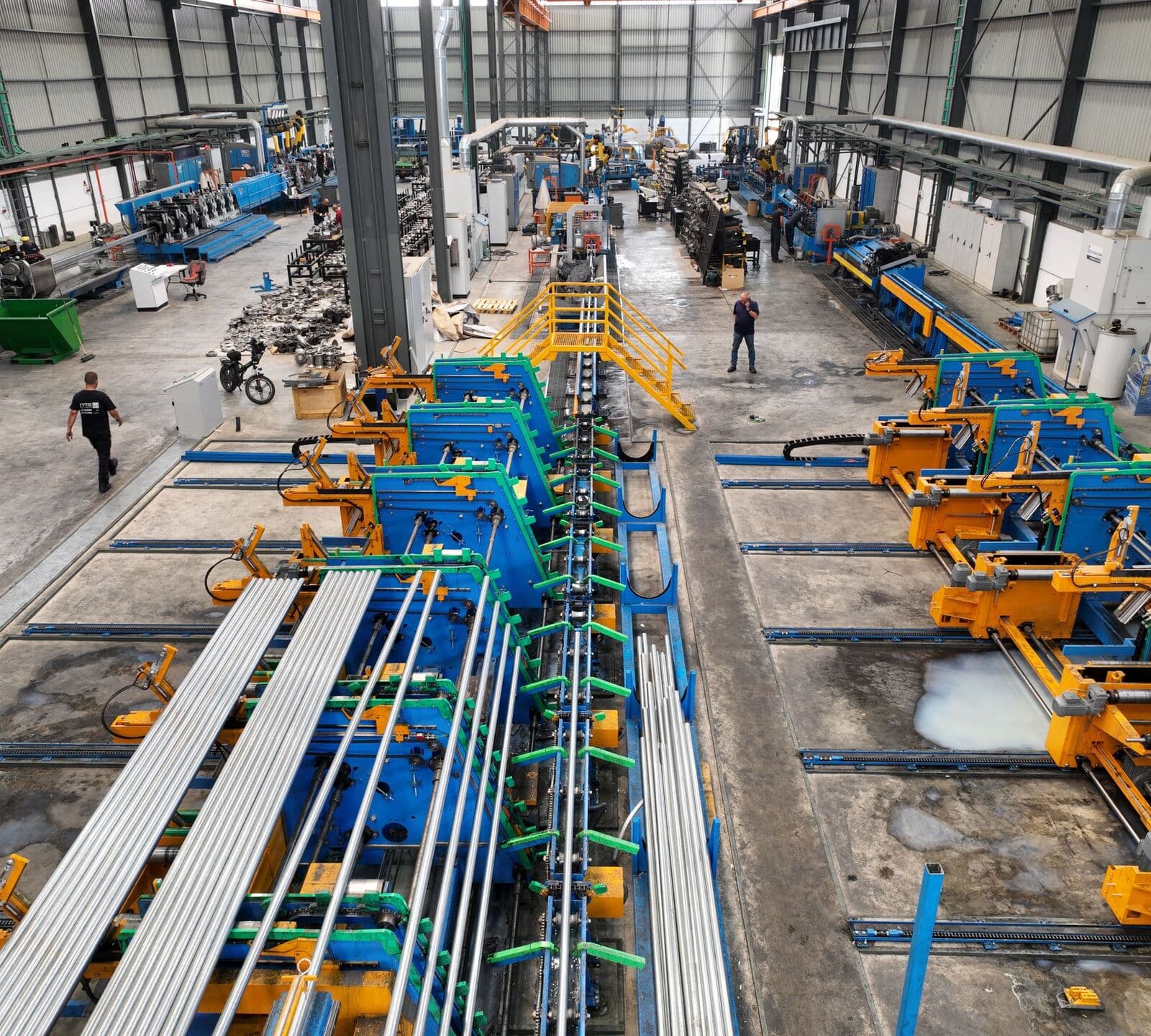
Segmentation between plant floor and corporate, so one doesn't reach the other.
OT and IT convergence. A flat network between plant and office is the common failure, and segmentation is the fix. It's a design problem, not a purchase.

Keeping the control network separate from everything else.
SCADA and ICS. Availability outranks confidentiality here, and you often can't take a system offline to investigate what happened on it.

Segmentation between controlled and general environments.
ITAR and the Controlled Goods Program. Registration under the Defence Production Act is mandatory before anyone examines, possesses or transfers controlled goods in Canada. Technical data counts, so a drawing sitting on a laptop is in scope.
What do you need from Network Security?
Tell us who you are and what you're working on. A senior engineer reads your message before replying, so the first answer is a real read on scope, risk and timing, within an hour, 24/7. Nothing here is a commitment, and we'll tell you plainly if we're not the right fit.
Your request
- Service
- Network Security
What happens next
- A senior engineer replies within an hour, 24/7, never an SDR.
- We book a 30-minute call to listen, sketch options, and flag risks.
- You get a scoped statement of work within 3 business days.
Call the 24/7 line
+1 514-465-1584Network security services in Canada, made real.
I run this practice, so this is written by the engineer who'll own your zones, not by a product page.
Good network security is measured by blast radius, not by product count.
Almost every mid-market network we meet has a strong edge and very little behind it, and attackers have noticed. The question isn't whether you own a next generation firewall. It's how far one compromised laptop travels before anything stops it, and in most estates the honest answer is most of the way. One compromised host reaches 85% of internal systems on the first hop, and 87% of servers accept administrative connections from broad internal sources (source: Zero Networks, 2026 Lateral Movement Exposure Report, 312 environments; that vendor sells microsegmentation, so read its figures with the interest in mind). East west traffic inspection is the gap those numbers describe. East west traffic is the majority of what your network carries and almost none of it gets filtered.
Where the risk actually sits in an estate like yours.
We start with what talks to what, because nobody can draw zones from memory. Then we design network segmentation you can operate after we leave, which usually means fewer zones than a whiteboard produces. Risk sits in three predictable places: firewall rules nobody pruned after a migration, an any-any rule left in for a project that finished in 2023, and a management interface reachable from the staff network. Secure network design is mostly the discipline of closing those three, in that order, before anyone buys anything.
The perimeter got worse this year, and the Canadian version is specific.
The Cyber Centre published AL26-018 on 2026-08-11, covering a high-severity flaw in Cisco Secure Firewall ASA and Threat Defense remote access VPN with exploitation confirmed in the wild, and its own advice includes minimising internet-facing management interfaces (source: Canadian Centre for Cyber Security, 2026). Edge kit is an entry point now, not a wall, which is the practical argument for putting policy behind it. Segmentation also shrinks PCI DSS scope, and that's the one place this work pays for itself in a number an accountant will read.


Want a Senior IT Consultant's Read on Your Setup?
Tell us what you run today and what keeps breaking. A senior SMEnode engineer replies within an hour with a first read on scope, risk and timing. No sales handoff.
Request a consultHow our network segmentation and access control work runs.
Four steps, and step 01 is measurement instead of opinion. We watch real traffic for a fortnight before drawing a single zone, because every organisation we meet is wrong about what talks to what. The application diagram is three years old, backup traffic goes somewhere nobody documented, and there's usually one device with a route into finance that nobody can explain.

Engagement phases
Phases 01 to 04
Map the flows
Two weeks of observed traffic, east west included, turned into a list of what genuinely needs to reach what. Zones drawn from observed flows survive contact with users. Zones drawn from an org chart get holes punched in them by Friday.
Design the zones
Fewer, larger zones first, with the crown jewels separated properly and a written policy per boundary. We size it so your own team can run it after we leave, on the platforms you already licence.
Enforce, in stages
Monitor mode before deny mode, one zone at a time, with a rollback that takes minutes rather than a weekend. Nothing goes to enforcement on a Friday afternoon.
Prune and prove
Dead rules removed, intrusion detection and prevention placed where east west traffic actually crosses a boundary, 802.1X rolled out site by site, and a diagram that matches the running configuration.
Network security questions, answered straight.
Answers first, including which parts of this you probably don't need yet. An architect takes the call, not a salesperson.
Where this work connects.
These disciplines share the same senior team and tend to land together. Follow the thread to the next one.
- SecuritySecurity Awareness TrainingCanadian security awareness training run as a programme, with phishing simulation, coaching, and an auditor-ready record.
- SecurityThreat Risk Assessment (TRA)Canadian threat risk assessment mapped to the federal control catalogue that took effect in March 2026.
- SecurityIdentity and Access ManagementCanadian identity and access management built on the platform you already own, with joiners and leavers handled.